Problem With India’s Philanthropy: Maharashtra Gets A Third Of Funds, Jharkhand Just 1%
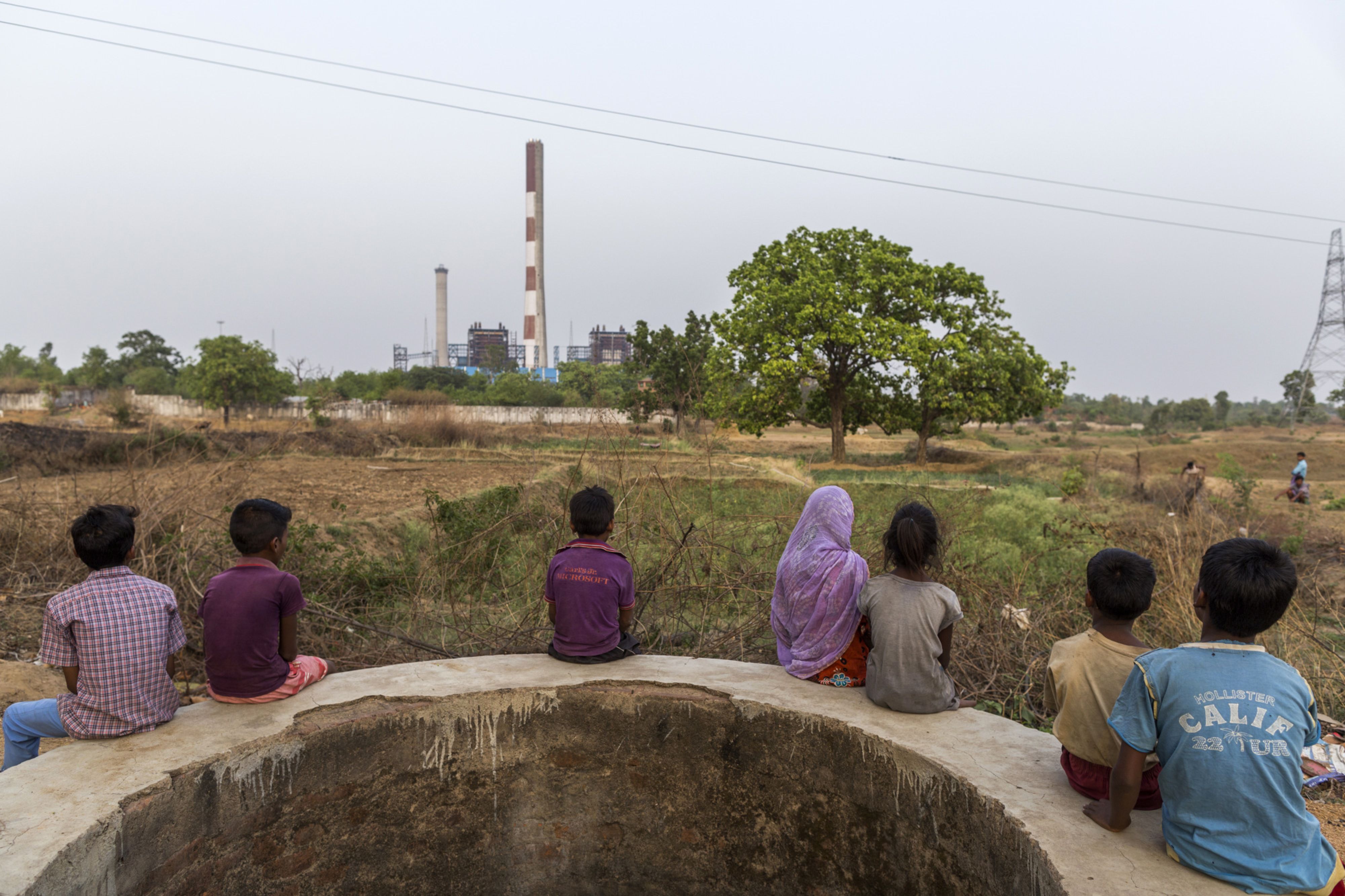
Indian philanthropy needs to allocate resources in an equitable manner across all regions of the country, the Dasra-Bain & Company's India Philanthropy Report 2020 has said.
“When we go deeper and move beyond national averages, it's clear that significant pockets of vulnerable populations still require support,” Deval Sanghavi, co-founder of Dasra, said in an emailed statement. “By focusing on these populations and driving work at a systems level, a massive untapped opportunity exists for a philanthropist to transform India where a billion thrive with dignity and equity.”
The report pressed for accelerating towards more resilient and inclusive development. “India will struggle to meet the Sustainable Development Agenda 2030 without that catalytic support from philanthropy,” it said.
Sustainable development goals are a collection of 17 targets set by the United Nations General Assembly that aim to address poverty, hunger, health, education, global warming, gender equality, sanitation and social justice by 2030.
The SDG India Index, launched in 2018 by NITI Aayog with the help of the United Nations took into account 16 out of 17 goals as SDGs. The index this year ranked states based on 54 targets spread over 100 indicators out of 306 outlined by the UN.
Regional Disparity
The report cited the example of “mismatch” in receiving philanthropic funds between Jharkhand and Maharashtra to project the disparity. Maharashtra, India's richest state, receives 34 percent of the country's philanthropic and corporate social responsibility funds funds—the largest among Indian states—while Jharkhand, one of the poorest states, receives less than 1 percent of the funds despite faring far worse in development indicators.
We must invest in the system level change that focuses on causes. These systems solutions can bring multiple groups, disciplines and stakeholders together to create long-lasting change.Dinkar Ayilavarapu, Partner, Bain & Company

Also, this disparity can be witnessed in SDG scores of various states where there was a 20-point difference between the best and the worst-performing states— Kerala and Bihar.
TADP-Early Success
In 2018, Indian launched the Transformation of Aspirational Districts Programme to improve the performance of 117 districts by focusing on five parameters: health and nutrition, education, agriculture and water resources, financial inclusion and skill development.
The exercise emphasised the need to invest in those lagging geographies, the report said, as the majority of the “aspirational” districts under the programme recorded 0.5-4 percent higher growth in per capita income, compared with other districts in their respective states.
Increased government focus and civil society participation in aspirational districts (Transformation of Aspirational Districts Programme) have yielded encouraging results such as improved health and nutrition.India Philanthropy Report 2020
Performance on social development is also showing improvement. Home births attended by a trained health worker have grown to 50 percent from 38 percent over the previous year while 7 percent fewer children under six years are living with moderate or acute malnutrition, the report said.
Darsa-Bain & Co's study said improvement shown in these indicators makes a case for philanthropy to invest more capital for systemic and sustainable development of India's vulnerable geographies.

-
The Economic Imperative: Analysing The Material Driving Force Behind India-Canada Strategic Reset

This economic complementarity is further reinforced by deep institutional investment ties and talent mobility, which form the bedrock of the bilateral framework.
-
Medicine Pricing: Where Must Profit Stop?
India must confront excessive margins, hidden incentives and regulatory gaps that threaten the integrity of medicine.
-
Why Amazon And Flipkart Are Struggling To Beat Meesho In India's Smaller Cities
With 274 million users and lowest-cost logistics, Meesho is defending its value commerce crown against giants like Amazon and Flipkart.
-
High US Salaries, No Green Card Certainty: The Financial Calculation Facing Indian H-1B Families
The suspension of PERM processing at eight technology employers does not cancel existing H-1B visas. What it does is force a question many Indian families have been avoiding: is the US salary worth tying your career and family plans to one employer?
-
Swiggy vs Eternal: Food Delivery's Two Rivals Are No Longer In The Same Race
Eternal is building a private AI assistant, dark.ai. Swiggy is still working out how to make Instamart pay, with an operating loss of Rs 895 crore in the July-September quarter while Blinkit stayed profitable.
-
Where You Live Shapes How You Get To Work | The Reason Why
Two-wheelers are the most popular way to get to work in India, accounting for nearly 43% of workplace commutes.
-
Unhedged Position: Can India See An Indonesia-Style Time Correction?
The Nifty is trading below levels it first clocked in 2024. Is there, then, as I have suggested in the headline, potential that the current time correction drags on painfully for the next three-five, even ten years?
-
Navigating Friction And Energy Realities: An Analysis Of Marco Rubio's October Visit To India
Occurring at a critical juncture marked by stalled trade negotiations and escalating geopolitical pressures over global energy supplies, the visit offers a profound window into modern US-India relations.
-
India Exports Capital. Why Not Export Trusteeship?
The big question, then, is whether India can build an institution that global borrowers, investors, banks, and lawyers can trust, even without an Indian connection.
-
France's Economy & Politics Are In Crisis | The Reason Why
Let's look at how the French economy and politics evolved under Nicolas Sarkozy, Franois Hollande and Emmanuel Macron.










