Prioritising Deep, Sustained Mitigation In India: Key Takeaways From The Latest IPCC Report
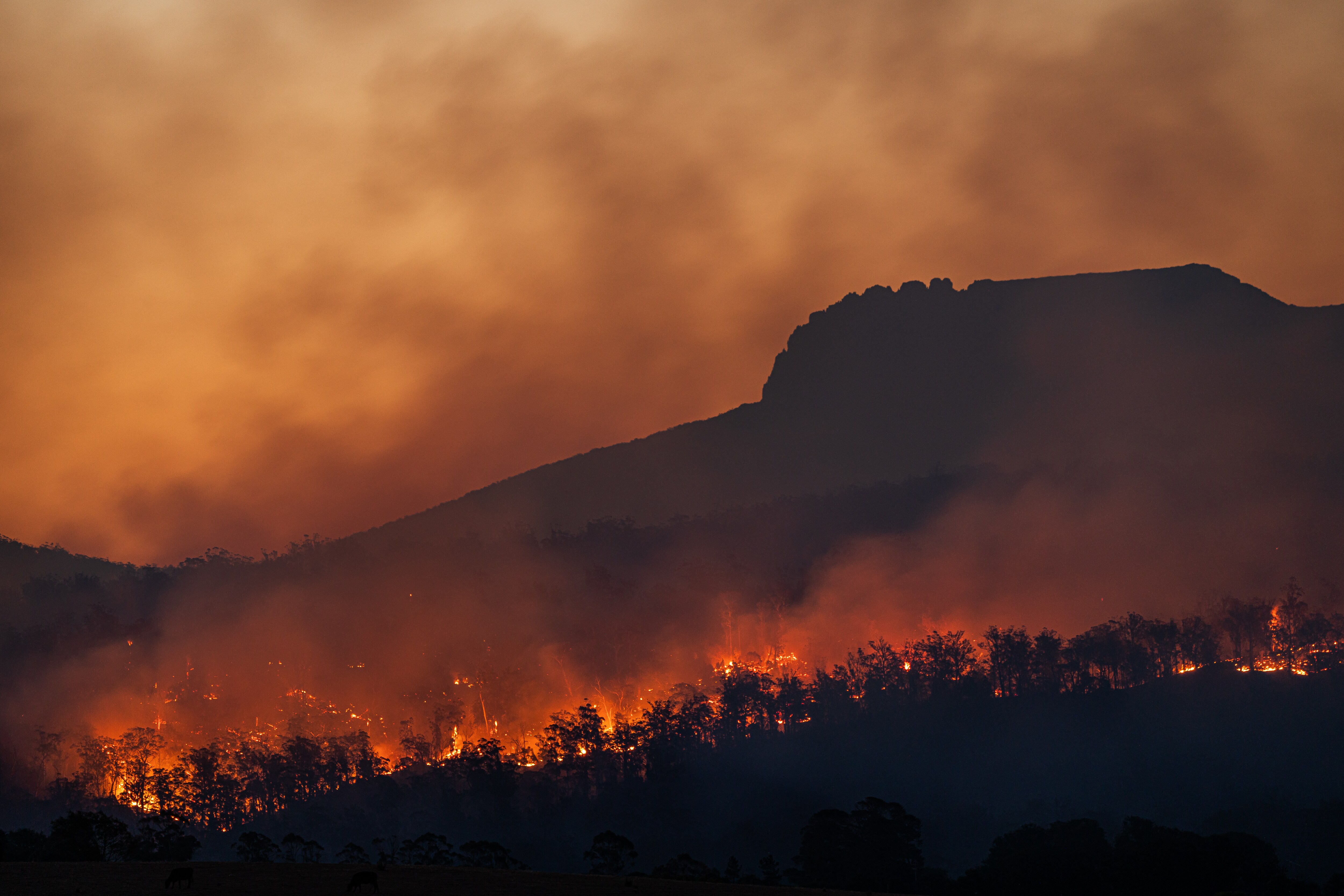
The Inter-governmental Panel on Climate Change is currently in its Sixth assessment cycle, which includes the production of three Working Groups' Assessment reports, three Special Reports, a refinement to the methodology report, and the Synthesis Report.
The Synthesis Report, released this week, consists of a non-technical summary for policymakers and a more detailed report integrating materials from the other reports, addressing a broad range of policy-neutral questions approved by the panel. In this piece, I decipher the significant implications of the report for India.
The effects of climate change are increasingly becoming more visible and devastating in vulnerable regions worldwide. According to IPCC's Synthesis report, approximately 3.3–3.6 billion people live in highly vulnerable contexts to climate change, with human and ecosystem vulnerability being interdependent.
Developing nations with significant development constraints are at high risk of climatic hazards. The largest adverse impacts are observed in Africa, Asia, Central and South America, LDCs, Small Islands and the Arctic, and globally for Indigenous Peoples, small-scale food producers, and low-income households.
In India, the effects of climate change are increasingly felt, with the number of climate-led extreme events rising yearly. It is time to prioritise mitigation strategies to address this issue.
Understanding The Climate Vulnerability Of India
India is most vulnerable to climate change, with a significant population dependent on agriculture and natural resources. Climate change in India has already led to increased heatwaves, droughts, floods, and storms, causing severe damage to crops, property, and livelihoods. This has increased poverty and food insecurity, with the most vulnerable populations, including small-scale farmers and low-income households, bearing the brunt of the effects.
Climate change has also increased the incidence of vector-borne diseases and climate-related food-borne and water-borne diseases in India, increasing morbidity and mortality rates. Mental health challenges have also been associated with increasing temperatures, trauma from extreme events, and loss of livelihoods and culture. The effects of climate change in India are undeniable, and it is time for the country to prioritise deep and sustained mitigation strategies.
India's Climate Change Challenge: Mitigate Now
The IPCC's Synthesis Report provides various mitigation options, such as solar and wind energy, electrification of urban systems, energy efficiency, and reduced food waste, which are becoming more cost-effective and supported by the public. However, there is a substantial "emissions gap" between the global GHG emissions associated with NDCs announced before COP26 and those associated with modelled mitigation pathways that limit warming to 1.5°C or 2°C.
Maintaining emission-intensive systems may be more expensive than transitioning to low-emission systems in some regions and sectors. Many countries aim to achieve net-zero GHG or net-zero CO2 by mid-century, but limited policies are currently in place to deliver on these goals.
India has made significant progress in mitigating climate change by adopting various measures such as expanding renewable energy sources, promoting energy efficiency, and implementing sustainable urban development practices.
Despite these efforts, India faces challenges in meeting its emissions reduction targets. The country's dependence on coal for energy generation and the growing energy demand pose significant challenges. However, the government has taken steps to address these challenges by promoting clean coal technologies and investing in research and development of new energy technologies.
Delayed mitigation action will only worsen the effects of climate change in India, leading to increased losses and damages and affecting the most vulnerable populations. The country must prioritise deep and sustained mitigation strategies to address this issue. The government, private sector, and civil society must work together to promote renewable energy sources, improve energy efficiency, develop sustainable transportation systems, encourage sustainable agriculture, and promote forest conservation. By prioritising these efforts, India can mitigate the effects of climate change and build a more resilient future for its citizens.
Prioritising Deep And Sustained Mitigation Strategies: A 5-Point Agenda
Mitigating climate change in India will require deep and sustained efforts to reduce greenhouse gas emissions and promote sustainable development. This can be achieved through a range of strategies, including:
Promoting Renewable Energy Sources: India has made significant strides in promoting renewable energy sources such as solar, wind, and hydropower. The country should continue to prioritise the development of these sources to reduce its reliance on fossil fuels and decrease greenhouse gas emissions.
Investing in Energy Efficiency: Energy efficiency measures such as improving buildings' insulation, lighting, and HVAC systems can significantly reduce energy consumption and greenhouse gas emissions.
Improving Transportation: India must prioritise the development of sustainable transportation systems, including electric vehicles, public transportation, and non-motorized transport options such as cycling and walking. This can significantly reduce emissions from the transportation sector.
Encouraging Sustainable Agriculture: Promoting sustainable agricultural practices, including crop diversification, agroforestry, and conservation agriculture, can reduce greenhouse gas emissions and increase the resilience of the agricultural sector to climate change.
Promoting Forest Conservation: India's forests play a critical role in sequestering carbon and mitigating the effects of climate change. The country should prioritise forest conservation efforts to reduce deforestation and increase afforestation and reforestation.
Dr Anjal Prakash is the Research Director at the Bharti Institute of Public Policy at ISB. He was the author of two IPCC reports in the AR 6 cycle.
The views expressed here are those of the author, and do not necessarily represent the views of BloombergQuint or its editorial team.

-
One El Nino, India Can Handle. Two Could Break The Granary

India's grain stocks can absorb one bad year, but a second El Nino could drain the buffer in two to three years, economists say.
-
India's Troika Of Good Luck | Joining The Dots
As Jensen Huang's exit drags Nvidia down, a cooling AI trade and resilient earnings have revived investor interest in India. A likely RBI rate hike looms.
-
Talking Points This Week: Leadership Shock At Nvidia, Earnings Strength, And The Fog Over Hormuz
The Anthropic IPO pricing and first trading day, Nvidia's upcoming earnings, and any fresh signals from Iran will set the tone for the following week.
-
Signature Play: The Classic Cocktail Is Dead. Or Is It?
Classic cocktails are disappearing from India's cocktail menus. But they're still being ordered, taught to bartenders and borrowed from. So, who's really having the last drink?
-
A New Samvat Wishlist: Inclusive Prosperity And Human Development
India has strengthened its economic foundations through infrastructure, digital access and enterprise. Its next growth chapter must deepen productivity, create better livelihoods and widen participation in prosperity.
-
Love, Sex Aur Dhokha: The Audacious Plot To Spy On Jensen Huang
A Taipei dinner, a Singapore chip buyer and a suspected Chinese asset: inside the alleged spy operation that got close to NVIDIA's Jensen Huang.
-
Ten Things I Learnt This Samvat
Patience can be a trap. Cheap stocks can stay cheap. Leverage can wipe you out. What did Samvat 2082 teach us? Niraj Shah writes on 10 lessons from the year gone by.
-
Talking Points This Week: Tech Nerves, FII Buying, And A Faraway Banking Shock
The global markets are not shining this Diwali. The exception in the large markets is, India.
-
Midterm Rally Lasted A Day. The Hard Reality Of A Divided US May Last Two Years | Opinion
Between a contested AI boom, a debt ceiling that arrives in 2027 and a president with every incentive to act alone, the next two years may prove more volatile than the first day's rally suggests.
-
Blue Wave Will Derail the AI Trade but Won't Dismantle the AI Era | Unhedged Position
The Democrats' sweep of the US Congress will see politics collide with economic forces both over the long and short term.









