PNB Refuses To Disclose Details Of Rs 14,000-Crore Scam
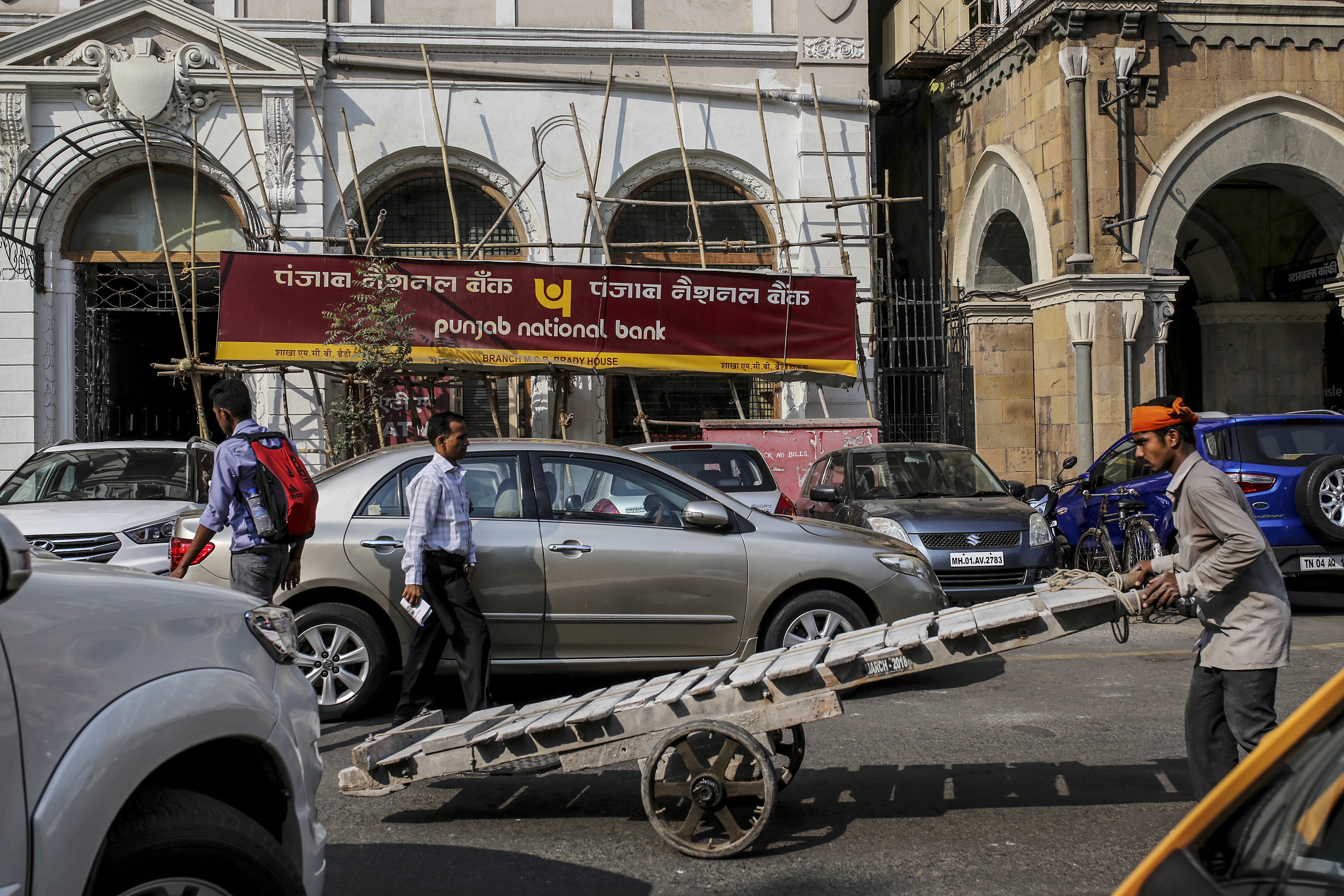
State-run Punjab National Bank has refused to disclose details of the audit or investigation that led to detection of the Rs 14,000 crore fraud at the company, citing a clause that bars any disclosure that can impede the process of investigating or apprehending the offenders.
In reply to an RTI query, the state-owned bank also declined to share copy of inspection reports related to the scam.
“Since the matter is under investigation by the central investigating agency/agencies/law enforcement agency, providing of the desired information is exempted under Section 8 (1) (h) of the Right to Information Act, 2005,” the PNB said in reply to the Right To Information application filed by a PTI correspondent.
The section bars disclosure of information which would impede the process of investigation or apprehension or prosecution of offenders.
The bank was asked to provide details of inspection that resulted in detection of the fraud and provide copy of inspection reports.
The scam, considered to be the biggest ever in India's history, was reported earlier this year and involves PNB, the country's second-largest state-owned bank, getting allegedly defrauded by diamantaire Nirav Modi and his uncle Mehul Choksi, the promoter of Gitanjali Gems.
Besides the Central Bureau of Investigation, Income Tax Department and Enforcement Directorate, the RBI has also started a detailed probe into the case for necessary action.
Replying to an RTI query, the RBI had also earlier declined to share inspection reports for scam-hit PNB. In response to queries under the transparency law, the central bank had also clarified that the RBI does not carry out audit of banks, but conducts inspection/risk-based supervision of banks.
Giving details for the past ten years, the RBI gave dates for the annual inspection carried out at the PNB head office between 2007 and 2017, except for 2011, for which the banking regulator said the "dates (are) not available".
When asked about the copies of inspection reports and details of objections raised by it, the RBI said the information was exempted under various clauses of the RTI Act. The central bank had forwarded the RTI query for further details to PNB.
Incidentally, market regulator SEBI has recently issued a warning letter to PNB for delay in making disclosures about the Nirav Modi fraud.
SEBI observed that there were delays ranging from one to six days by PNB in making various disclosures to the stock exchanges pertaining to the filing of reports/complaints with the RBI and CBI.
Earlier this week, CBI filed two charge sheets in the case in a Mumbai court, in which it has also been alleged that PNB misled the RBI on issues relating to certain credit guarantees that are at the centre of the alleged fraud.
The chargesheet also names PNB's former chairman and managing director Usha Ananthasubramanian, who is currently chief executive officer and managing director of another state-owned lender Allahabad Bank, besides PNB's executive directors K V Brahmaji Rao and Sanjiv Sharan, and general manager (international operations) Nehal Ahad. All these officials have been divested of their functional powers.
On Tuesday, PNB said that its total liability now works out to Rs 14,356.84 crore on account of the fraud allegedly carried out by Modi and Choksi, both of whom are absconding.

-
We May Need Another Tukaram Mundhe To Fight Air Pollution | The Reason Why

Developers may install basic measures such as sprinklers and green nets, resume work, and continue violating rules when this equipment stops working.
-
Extracting Value From Battery Scrap Could Be Challenging For India | The Reason Why
A discarded lithium-ion battery still contains valuable materials such as lithium, nickel and cobalt. These can be recovered and reused. When such batteries are crushed and shredded, they produce a dark powder called black mass.
-
One El Nino, India Can Handle. Two Could Break The Granary
India's grain stocks can absorb one bad year, but a second El Nino could drain the buffer in two to three years, economists say.
-
India's Troika Of Good Luck | Joining The Dots
As Jensen Huang's exit drags Nvidia down, a cooling AI trade and resilient earnings have revived investor interest in India. A likely RBI rate hike looms.
-
Talking Points This Week: Leadership Shock At Nvidia, Earnings Strength, And The Fog Over Hormuz
The Anthropic IPO pricing and first trading day, Nvidia's upcoming earnings, and any fresh signals from Iran will set the tone for the following week.
-
Signature Play: The Classic Cocktail Is Dead. Or Is It?
Classic cocktails are disappearing from India's cocktail menus. But they're still being ordered, taught to bartenders and borrowed from. So, who's really having the last drink?
-
A New Samvat Wishlist: Inclusive Prosperity And Human Development
India has strengthened its economic foundations through infrastructure, digital access and enterprise. Its next growth chapter must deepen productivity, create better livelihoods and widen participation in prosperity.
-
Love, Sex Aur Dhokha: The Audacious Plot To Spy On Jensen Huang
A Taipei dinner, a Singapore chip buyer and a suspected Chinese asset: inside the alleged spy operation that got close to NVIDIA's Jensen Huang.
-
Ten Things I Learnt This Samvat
Patience can be a trap. Cheap stocks can stay cheap. Leverage can wipe you out. What did Samvat 2082 teach us? Niraj Shah writes on 10 lessons from the year gone by.
-
Talking Points This Week: Tech Nerves, FII Buying, And A Faraway Banking Shock
The global markets are not shining this Diwali. The exception in the large markets is, India.









