PM Modi Eyes Real Estate Assets In Drive Against Graft
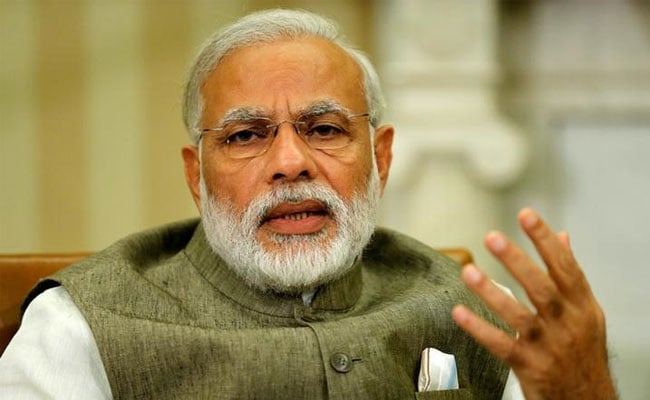
New Delhi: Prime Minister Narendra Modi has quietly plugged a tax loophole used by the wealthy to buy real estate in someone else's name as part of his campaign against corruption, a senior tax official said on Monday.
While the focus of his administration was managing the fallout of a shock move last month to scrap old 500 and 1,000 rupee notes, the official told Reuters that the department expected to step up scrutiny of real estate assets with suspicious titles.
Tax officials expected to use returns for the current year that are filed in July as well as other means such as raids and data from bank transactions to gather information about suspicious real estate assets, the official said.
"This is our priority for next year," said the official, requesting anonymity as unauthorized to speak to the media.
Any move to clean up India's messy real estate market could prove to be a mammoth and messy task and would come even as the Modi government is facing mounting criticism of its handling of the cash crunch that followed the scrapping of higher denomination currency notes.
India's land records are patchy and arcane. Analysts say people such as politicians, businessmen and non-resident Indians often use cash they haven't paid taxes on to buy property, but put it in the name of their relatives or trusted employees.
But often apartments and land pass down generations in a family without the original owner's name ever being changed in the title.
Data on the scale of such activity is not available. But industry estimates show about 5 to 10 percent of real estate in many cities is bought by people who have evaded taxes.
In his monthly radio address on Sunday, PM Modi defended demonetisation, which he has billed as an attempt to fight corruption, and said the government would implement the law to clean up India's real estate records in coming days.
"There is no question of a retreat," PM Modi said.
The law, called the Prohibition of Benami Property Transactions Act, which came into effect on Nov. 1, says people who hold assets that don't actually belong to them could face up to seven years in jail, besides seizure of the property.
The government has yet to spell out how it will update real estate records and land registries.
Analysts said the real test for PM Modi would be to increase compliance and punish people who have evaded taxes without causing hardship to others.
"The relentless pursuit of black money needs to be backed by solid execution. Otherwise this will just remain on paper," said Amit Maheshwari, a partner at consultancy Ashok Maheshwary & Associates LLP.
($1 = Rs 67.8100)
(This story has not been edited by NDTV staff and is auto-generated from a syndicated feed.)

-
Indians Are Travelling, But Not Every Journey Is A Holiday | The Week In Whys

Pilgrims, patients and working women are the real travellers, and the system hasn't quite caught up with them.
-
Getting To Work Costs Women More | The Reason Why
It is not just about women paying more than men. It is about women paying much more in cities than in villages.
-
AI Bias In Investing Cannot Be Eliminated, But It Can Be Governed
Framing is a particularly important example as identical financial information presented in terms of gains rather than losses can lead an LLM to reach a different assessment.
-
Joining The Dots | Dark Skies, Steady Diya: Why Hope Holds This Diwali
With war, a weak rupee and foreign outflows weighing on sentiment, policymakers at the NDTV World Summit and market veterans at NDTV Profit Ignite: Diwali Edition offered the same advice: stay invested and filter out the noise.
-
The Curious Case of Equitas Small Finance Bank And A CEO Who Quit For Stock
PN Vasudevan believes persistent investor concerns over a perceived conflict of interest had become a governance overhang on Equitas Small Finance Bank's stock, even as the lender improved profitability and asset quality.
-
Talking Points This Week: AI Cash Burn, A Tiger Comeback And An India That Still Finds Its Own Path
India is not immune to higher oil or tighter global liquidity, yet its earnings base is broader, its domestic policy levers are still available.
-
Foreign Investors Own Half Of HDFC Bank and ICICI Bank. An LTCG Cut Could Matter Most Here
Foreign portfolio investors have US$115 billion parked in HDFC Bank, ICICI Bank. If the government cuts long-term capital gains tax, Jefferies says returning foreign money could land here first.
-
'Never Seen This Level Of Negativity': Sandeep Tandon Says The Next Rally May Be Closer Than You Think
Veteran investor Sandeep Tandon says foreign selling is easing, large-caps are due a comeback and mid-caps are crowded, while he turns positive on gold, power and pharma this Diwali.
-
Indians Stay With Family, Not In Hotels | The Reason Why
India still lacks enough clean, reliable and affordable hotels for budget-conscious travellers.
-
The Economic Imperative: Analysing The Material Driving Force Behind India-Canada Strategic Reset
This economic complementarity is further reinforced by deep institutional investment ties and talent mobility, which form the bedrock of the bilateral framework.










