PM E-Drive EV Subsidy Scheme Comes Into Effect In India Amid Global EV Slowdown
The government has notified a new subsidy scheme for adoption of electric vehicles in the world's third-largest automotive industry, even as the transition to electric mobility lags globally.
Called the PM Drive Revolution in Innovative Vehicle Enhancement, or PM E-Drive, the new EV subsidy scheme has a total outlay of Rs 10,900 crore to target nearly 30 lakh electric vehicles over a period of two years, according to a gazette notification put out by the Union Ministry of Heavy Industries. While electric two-wheelers and electric three-wheelers are set to get a significant chunk of the outlay, electric cars have been given a complete miss.
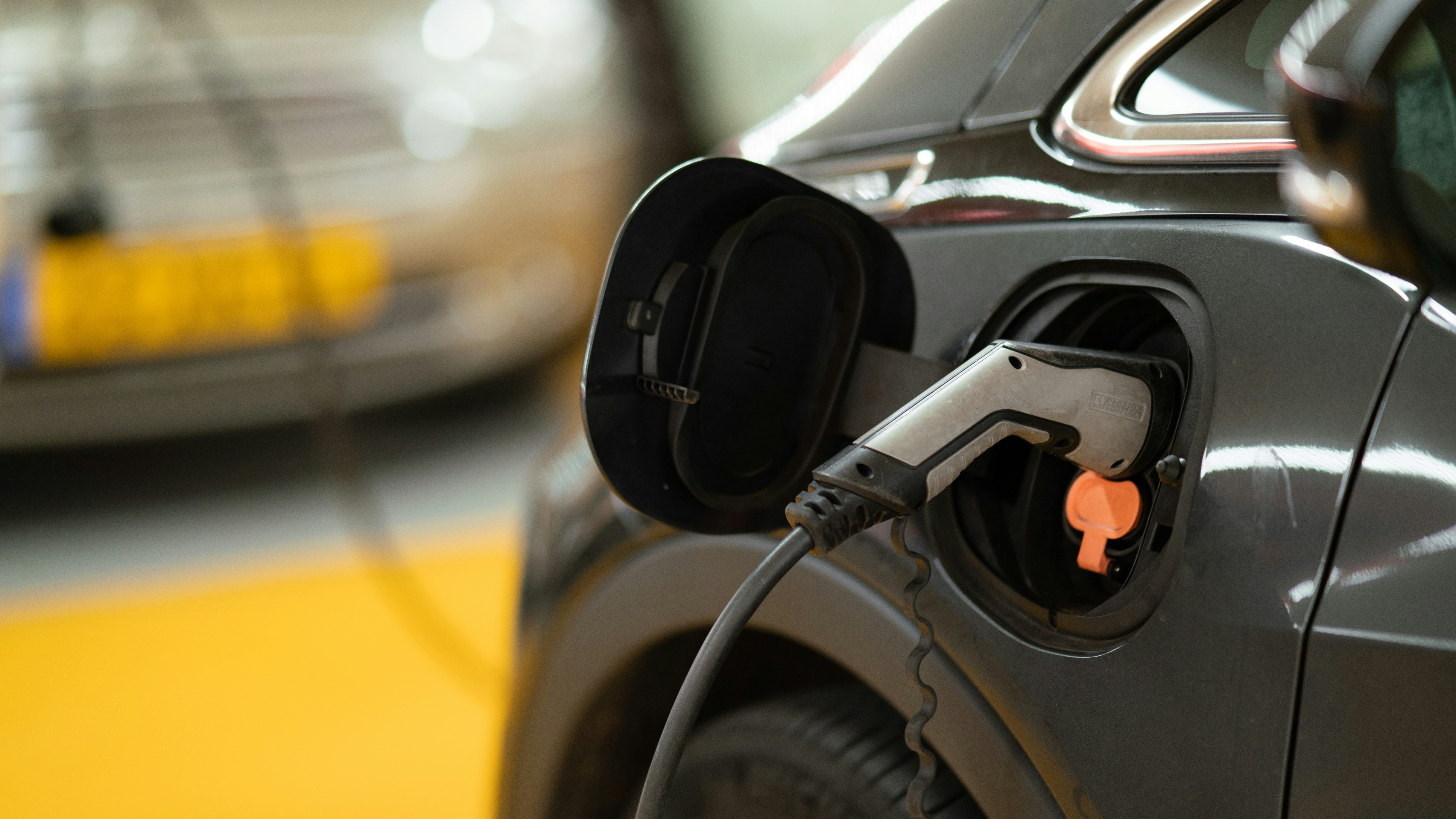
Additionally, Rs 7,171 crore has been set aside for building the charging infrastructure in India—a first for the nascent electric mobility ecosystem. About 22,000 fast chargers for electric cars, 48,400 of those for electric two- and three-wheelers, and 1,800 for electric buses will be set up over the next two years.
"This is a unique, new feature of this new scheme," Union Heavy Industries Minister HD Kumaraswamy had said after the PM E-Drive scheme was first announced on Sept. 11. "Our goal is to reduce our environmental footprint, improve air quality, and build a comprehensive and resilient EV manufacturing industry."

-
India Exports Capital. Why Not Export Trusteeship?

The big question, then, is whether India can build an institution that global borrowers, investors, banks, and lawyers can trust, even without an Indian connection.
-
France's Economy & Politics Are In Crisis | The Reason Why
Let's look at how the French economy and politics evolved under Nicolas Sarkozy, Franois Hollande and Emmanuel Macron.
-
You May Inherit The Business. You Must Earn Its Credibility.
Succession tests the founder's ability to share authority as much as it tests the next generation's readiness to assume it.
-
Signing Deals Is One Thing; Making Them Work Is Another | The Week In Whys
Sometimes, things don't turn out as planned. Indian companies have lost some bids to rivals, some projects won't produce until 2030.
-
FOMC Wall, PERM Suspension, Hospital Stocks | Talking Points This Week
A PERM suspension would directly affect green-card sponsorship rather than H-1B visas, so the near-term earnings impact could remain relatively limited. The key question is whether this marks a new phase in US scrutiny of Indian IT.
-
Everything, Everywhere, All At Once: Dalal Street's Week To Forget | Joining The Dots
Visa curbs, a Starlink spat and cancer drug caps: what connects this week's shocks for Indian markets
-
India Is Going Abroad For Critical Minerals. But It May Take Years To Pay Off | The Reason Why
Although India's steps are in the right direction, they remain modest compared with India's growing dependence.
-
When Everyone Has AI, What Gives You An Edge?
India's young workforce is entering an uncertain world of work where powerful AI tools are becoming widely accessible. The advantage will belong to those who combine deep expertise with digital fluency, and the distinctly human capabilities that technology cannot manufacture.
-
Wrong Labels, High Pesticide Residues Holding Back Agri Exports | The Reason Why
India needs stronger domestic food-safety and labelling standards, with best practices becoming part of everyday business for farmers, traders and food companies.
-
India Is Easy To Enter, Harder To Attract | The Week In Whys
The question is no longer just whether India can attract companies and capital. It is how much value they create here, how deeply they invest, and whether India remains relatively attractive when they have plenty of other options.