Petrol Price Hiked For Fourth Day In A Row
Petrol prices were hiked in metros on Monday compared with the previous day's rates. In Delhi and Mumbai, the price of petrol was raised by 12 paise per litre each with effect from 6 am on November 25, according to notifications from Indian Oil Corporation. Diesel rates in the two metros were however kept unchanged at the same levels as Sunday. Monday's hike marked the fourth consecutive revision in the price of petrol. The status quo on diesel rates however followed two days of reduction. (Also read: How to find out latest petrol and diesel rates on your mobile)
Here's how the petrol and diesel prices (in rupees per litre) have changed in Delhi, Mumbai, Kolkata and Chennai today:
| Date | November 25 | November 24 | ||
|---|---|---|---|---|
| Petrol | Diesel | Petrol | Diesel | |
| Delhi | 74.66 | 65.73 | 74.54 | 65.73 |
| Kolkata | 77.34 | 68.14 | 77.22 | 68.14 |
| Mumbai | 80.32 | 68.94 | 80.2 | 68.94 |
| Chennai | 77.62 | 69.47 | 77.49 | 69.47 |
| (Source: Indian Oil Corporation) | ||||
Petrol, Diesel Price In Delhi
In Delhi, the price of petrol was Rs 74.66 per litre and that of diesel Rs 65.73 per litre on Monday. The petrol rate in the national capital was Rs 74.54 per litre the previous day, according to Indian Oil Corporation, the country's largest fuel retailer.
Petrol, Diesel Price In Mumbai
In Mumbai, the price of petrol was revised to Rs 80.32 per litre on Monday, from Rs 80.20 per litre the previous day, while the diesel rate stood at Rs 68.94 - the same level as the Sunday.
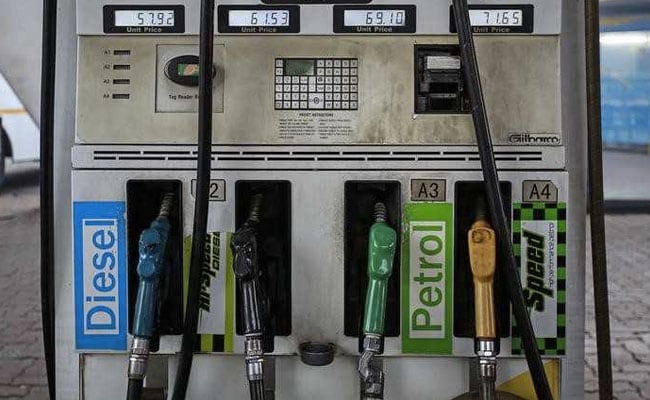
Currently, oil marketing companies such as state-run Indian Oil Corporation review the domestic prices of petrol and diesel on a daily basis.
Any changes, based on the international rates of crude oil and rupee-dollar foreign exchange, are implemented at the fuel stations with effect from 6 am.

-
We May Need Another Tukaram Mundhe To Fight Air Pollution | The Reason Why

Developers may install basic measures such as sprinklers and green nets, resume work, and continue violating rules when this equipment stops working.
-
Extracting Value From Battery Scrap Could Be Challenging For India | The Reason Why
A discarded lithium-ion battery still contains valuable materials such as lithium, nickel and cobalt. These can be recovered and reused. When such batteries are crushed and shredded, they produce a dark powder called black mass.
-
One El Nino, India Can Handle. Two Could Break The Granary
India's grain stocks can absorb one bad year, but a second El Nino could drain the buffer in two to three years, economists say.
-
India's Troika Of Good Luck | Joining The Dots
As Jensen Huang's exit drags Nvidia down, a cooling AI trade and resilient earnings have revived investor interest in India. A likely RBI rate hike looms.
-
Talking Points This Week: Leadership Shock At Nvidia, Earnings Strength, And The Fog Over Hormuz
The Anthropic IPO pricing and first trading day, Nvidia's upcoming earnings, and any fresh signals from Iran will set the tone for the following week.
-
Signature Play: The Classic Cocktail Is Dead. Or Is It?
Classic cocktails are disappearing from India's cocktail menus. But they're still being ordered, taught to bartenders and borrowed from. So, who's really having the last drink?
-
A New Samvat Wishlist: Inclusive Prosperity And Human Development
India has strengthened its economic foundations through infrastructure, digital access and enterprise. Its next growth chapter must deepen productivity, create better livelihoods and widen participation in prosperity.
-
Love, Sex Aur Dhokha: The Audacious Plot To Spy On Jensen Huang
A Taipei dinner, a Singapore chip buyer and a suspected Chinese asset: inside the alleged spy operation that got close to NVIDIA's Jensen Huang.
-
Ten Things I Learnt This Samvat
Patience can be a trap. Cheap stocks can stay cheap. Leverage can wipe you out. What did Samvat 2082 teach us? Niraj Shah writes on 10 lessons from the year gone by.
-
Talking Points This Week: Tech Nerves, FII Buying, And A Faraway Banking Shock
The global markets are not shining this Diwali. The exception in the large markets is, India.









