Penalty, Jail And More: How Mumbai Will Enforce The Plastic Ban
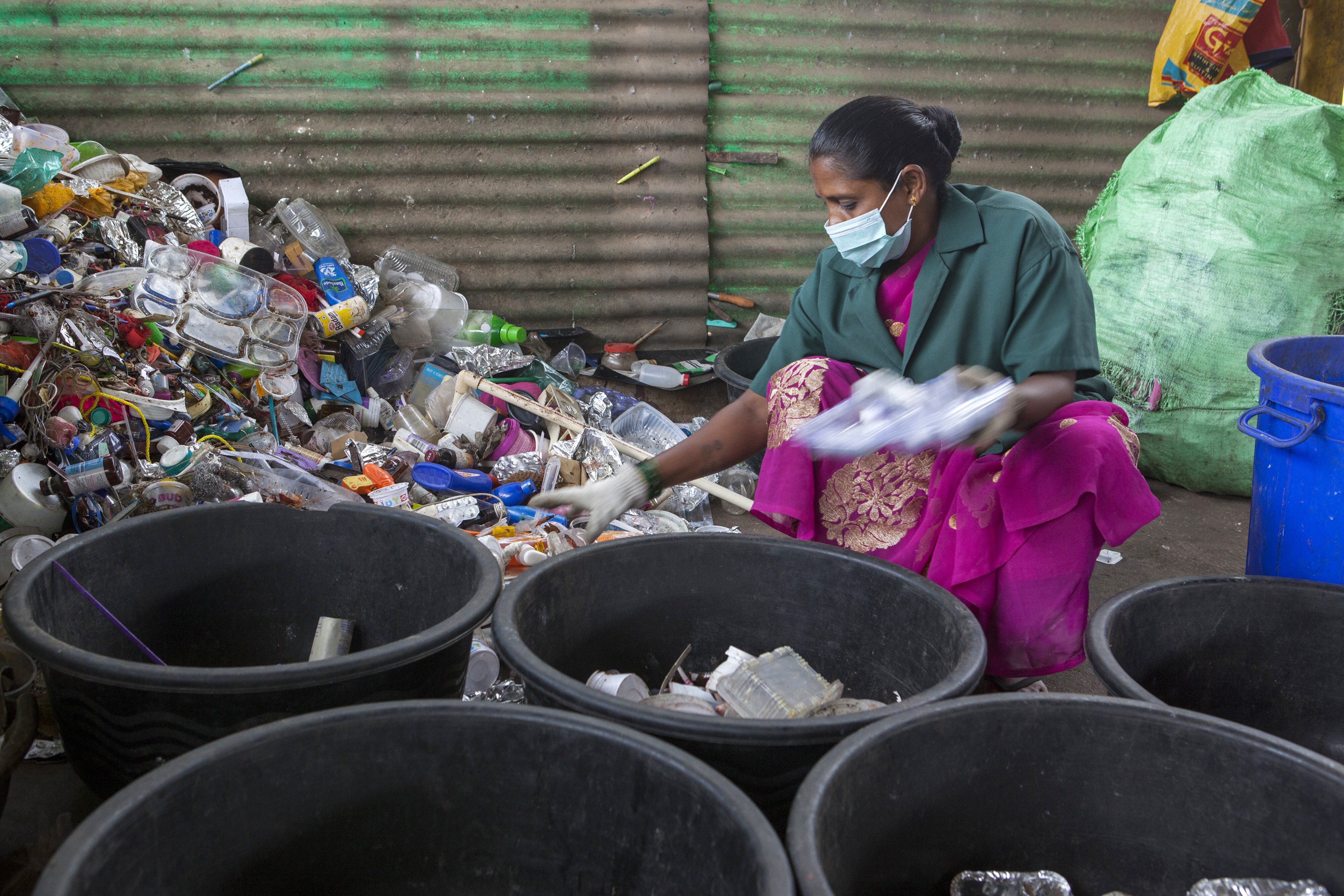
Starting June 23, Mumbai will join cities like Seattle in U.S., Montreal in Canada, and Hamburg in Germany to ban plastic.
This follows a March 23 notification by Maharashtra—Mumbai is the state capital—that banned the use, sale, distribution and storage of single-use plastic and articles made from thermocol. The western Indian state contributes 30 percent of all plastic waste in India, according to data available with the Central Pollution Control Board.
Such initiatives aren't unique the world over. Late last month, the E.U. proposed a total ban on some single-use plastic items, including cotton buds, cutlery, stirrers and sticks for balloons. Kenya has imposed perhaps the world's harshest ban, where anyone found using, producing or selling a plastic bag can be jailed for up to four years or face a $40,000 fine.
In India, 25 states have some form of ban on plastic, according to a report by IndiaSpend. Implementation has been patchy though. The Maharashtra and Mumbai administrations gave people three months to switch to alternatives. Now, those found using plastic will face fines and even jail.

Here's what you can't use and how Mumbai plans to implement the ban:
What's Banned And What's Not
According to a government notification dated March 23:
Banned Items
- High-quality carry bags issued in shopping malls.
- Plastic, thermocol decorative items.
- Disposable cutlery.
- Non-woven polypropylene bags.
Not Banned
- PET bottles (used by cola and water companies), milk pouches, garbage liners.
- Bags with uses in agriculture, horticulture and medicine.
- Raincoats, pens, plastic wrappers at manufacturing level.
Penalties In Store
Nidhi Choudhary, deputy municipal commissioner (special) of Brihanmumbai Municipal Corporation, said offenders face a three-stage penalty structure:
- First-time offenders will be fined Rs 5,000.
- This doubles to Rs 10,000 for second offence.
- Third-time offenders will face either a Rs 25,000 penalty and a jail term of up to three months.
The corporation had proposed reducing the penalties to Rs 200, Rs 500, and Rs 1,000 respectively, she said. The civic body's law committee, however, rejected the proposal, the Times of India reported.
Stalin Dayanand, activist and project director at the Mumbai-based non-governmental organisation Vanashakti, said the penalty structure is too steep. “[It] will lead to corruption. The new, proposed penalty structure is correct.”

Who Will Implement It In Mumbai
For effective implementation of the ban:
- The Brihanmumbai Municipal Corporation has appointed a 249-member squad to monitor plastic usage on the streets, said Choudhary.
- It has printed receipts for fines.
- Citizens must not pay fines without demanding receipts.
- Penalties and the plastic seized will be monitored by the Assistant Municipal Commissioner (Special) of the corporation.
“Monitoring squads will be authorised to conduct raids anywhere without notice. We'll go as a force to specific areas that are chronically affected,” according to Choudhary. “Houses won't be raided.”
Mumbai Civic Body Has No Plastic Recycling Unit
In the three months through June 22, the BMC seized 142 tonnes of plastic, which will be given away for recycling, Choudhary said. That compares with 15 tonnes of plastic collected in earlier drives since 2012. It's still stored with the BMC as the civic body doesn't have recycling units and it's being handled by the Maharashtra Pollution Control Board, she said. “We'll issue tenders in this regard soon.”
Dayanand is optimistic that the plastic ban will be successful as the end users are being targeted. “I estimate an initial success rate of 80 percent, which will climb to 100 percent within a year. Manufacturing will stop once consumption stops.”
The BMC is conducting an exhibition from June 22- 24 at the Nehru Science Centre in Worli, Mumbai, to create awareness about the alternatives like jute, paper, canvas, and cloth to plastic. Watch here:

-
Extracting Value From Battery Scrap Could Be Challenging For India | The Reason Why

A discarded lithium-ion battery still contains valuable materials such as lithium, nickel and cobalt. These can be recovered and reused. When such batteries are crushed and shredded, they produce a dark powder called black mass.
-
One El Nino, India Can Handle. Two Could Break The Granary
India's grain stocks can absorb one bad year, but a second El Nino could drain the buffer in two to three years, economists say.
-
India's Troika Of Good Luck | Joining The Dots
As Jensen Huang's exit drags Nvidia down, a cooling AI trade and resilient earnings have revived investor interest in India. A likely RBI rate hike looms.
-
Talking Points This Week: Leadership Shock At Nvidia, Earnings Strength, And The Fog Over Hormuz
The Anthropic IPO pricing and first trading day, Nvidia's upcoming earnings, and any fresh signals from Iran will set the tone for the following week.
-
Signature Play: The Classic Cocktail Is Dead. Or Is It?
Classic cocktails are disappearing from India's cocktail menus. But they're still being ordered, taught to bartenders and borrowed from. So, who's really having the last drink?
-
A New Samvat Wishlist: Inclusive Prosperity And Human Development
India has strengthened its economic foundations through infrastructure, digital access and enterprise. Its next growth chapter must deepen productivity, create better livelihoods and widen participation in prosperity.
-
Love, Sex Aur Dhokha: The Audacious Plot To Spy On Jensen Huang
A Taipei dinner, a Singapore chip buyer and a suspected Chinese asset: inside the alleged spy operation that got close to NVIDIA's Jensen Huang.
-
Ten Things I Learnt This Samvat
Patience can be a trap. Cheap stocks can stay cheap. Leverage can wipe you out. What did Samvat 2082 teach us? Niraj Shah writes on 10 lessons from the year gone by.
-
Talking Points This Week: Tech Nerves, FII Buying, And A Faraway Banking Shock
The global markets are not shining this Diwali. The exception in the large markets is, India.
-
Midterm Rally Lasted A Day. The Hard Reality Of A Divided US May Last Two Years | Opinion
Between a contested AI boom, a debt ceiling that arrives in 2027 and a president with every incentive to act alone, the next two years may prove more volatile than the first day's rally suggests.









