Patanjali Foods' Q2 Edible Oil Revenue Fell On Global Price Decline, Says CEO
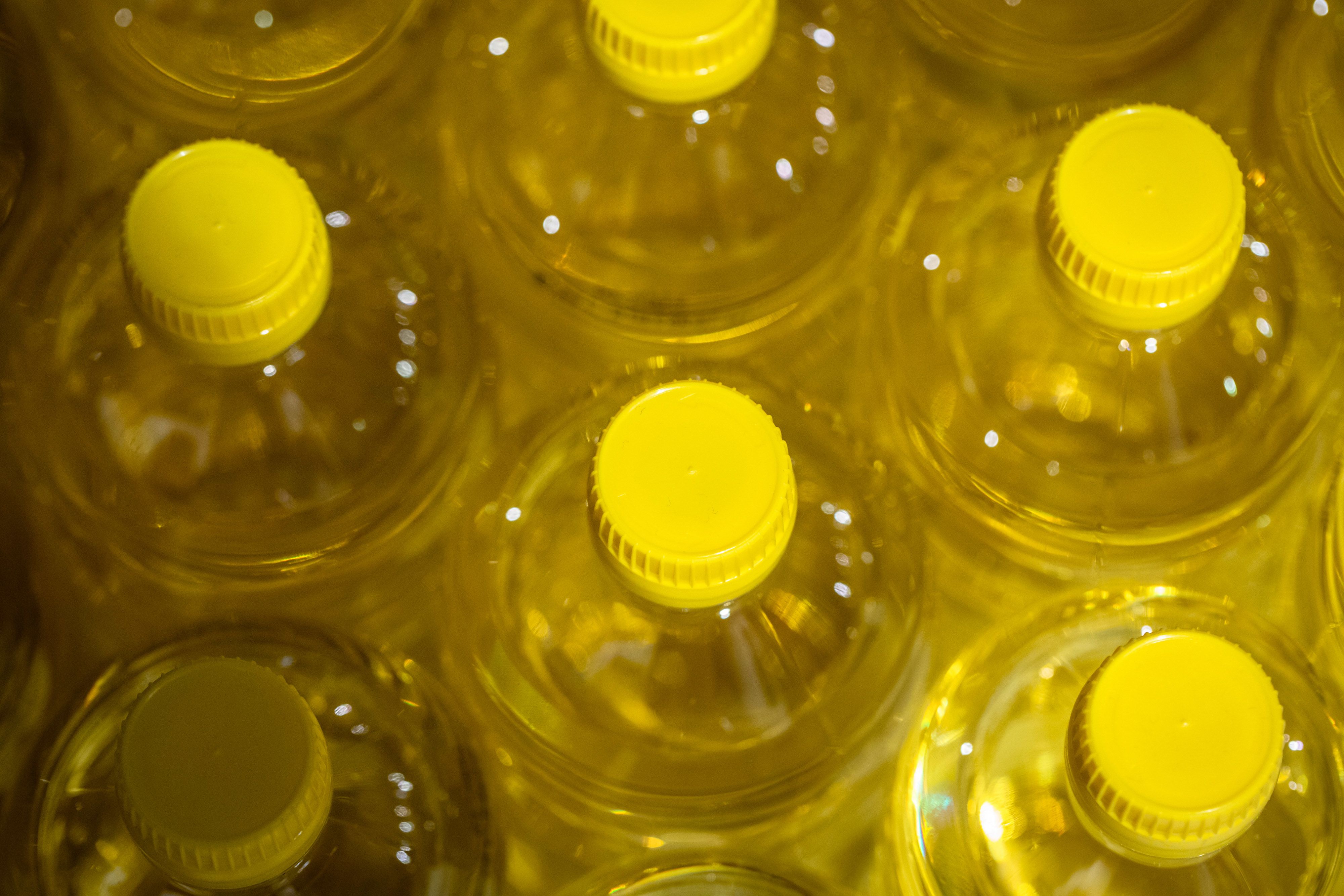
Patanjali Foods Ltd. witnessed a sequential fall in its revenue from edible oil sales as domestic prices softened, following a decline in global prices, according to Chief Executive Officer Sanjeev Asthana.
As India imports a large portion of edible oil, any changes in the global prices affect domestic price to some extent, Asthana told BQ Prime. Hence, Patanjali Foods' revenue declined in the July-September quarter, even though sales volume was marginally up, he said.
Palm oil futures in Bursa Malaysia Derivatives Exchange have declined 4.64% during the second quarter, he said.
Patanjali Foods' revenue from edible oil fell to Rs 5,421.5 crore during the quarter ended September as against Rs 5,890.73 crore in the previous quarter.
In terms of prices of edible oils, the worst is behind and it's likely to rise in the next two quarters due to international reasons, the CEO said.
In terms of passing on the price rise to consumers, he said, "Typically, if there is an uptick partially, it can be passed on to consumers... It's a pretty real time basis."
New launches in the food and fast-moving consumer goods segment drove growth in the quarter, Asthana said. New launches are likely to continue in the segment, he said.
Patanjali Foods' revenue in the segment went up Rs 2,487.6 crore, and it contributed 31.8% to its total revenue.
The FMCG player is aiming to reach and maintain an Ebitda margin of 16-18% in the food and fast-moving consumer goods segment, and 2-4% in the edible oil segment, Asthana said.
The company developed 4,500 hectares of palm oil plantation pan India during Q2, and the total area under plantation is 68,498 hectares. The impact of palm oil plantation would be seen in four to five years, according to Asthana.
Watch The Full Conversation Here:

-
We May Need Another Tukaram Mundhe To Fight Air Pollution | The Reason Why

Developers may install basic measures such as sprinklers and green nets, resume work, and continue violating rules when this equipment stops working.
-
Extracting Value From Battery Scrap Could Be Challenging For India | The Reason Why
A discarded lithium-ion battery still contains valuable materials such as lithium, nickel and cobalt. These can be recovered and reused. When such batteries are crushed and shredded, they produce a dark powder called black mass.
-
One El Nino, India Can Handle. Two Could Break The Granary
India's grain stocks can absorb one bad year, but a second El Nino could drain the buffer in two to three years, economists say.
-
India's Troika Of Good Luck | Joining The Dots
As Jensen Huang's exit drags Nvidia down, a cooling AI trade and resilient earnings have revived investor interest in India. A likely RBI rate hike looms.
-
Talking Points This Week: Leadership Shock At Nvidia, Earnings Strength, And The Fog Over Hormuz
The Anthropic IPO pricing and first trading day, Nvidia's upcoming earnings, and any fresh signals from Iran will set the tone for the following week.
-
Signature Play: The Classic Cocktail Is Dead. Or Is It?
Classic cocktails are disappearing from India's cocktail menus. But they're still being ordered, taught to bartenders and borrowed from. So, who's really having the last drink?
-
A New Samvat Wishlist: Inclusive Prosperity And Human Development
India has strengthened its economic foundations through infrastructure, digital access and enterprise. Its next growth chapter must deepen productivity, create better livelihoods and widen participation in prosperity.
-
Love, Sex Aur Dhokha: The Audacious Plot To Spy On Jensen Huang
A Taipei dinner, a Singapore chip buyer and a suspected Chinese asset: inside the alleged spy operation that got close to NVIDIA's Jensen Huang.
-
Ten Things I Learnt This Samvat
Patience can be a trap. Cheap stocks can stay cheap. Leverage can wipe you out. What did Samvat 2082 teach us? Niraj Shah writes on 10 lessons from the year gone by.
-
Talking Points This Week: Tech Nerves, FII Buying, And A Faraway Banking Shock
The global markets are not shining this Diwali. The exception in the large markets is, India.









