Pandemic Shuttered A Quarter Of Indian Restaurants In FY21, 24 Lakh Jobs Lost: NRAI
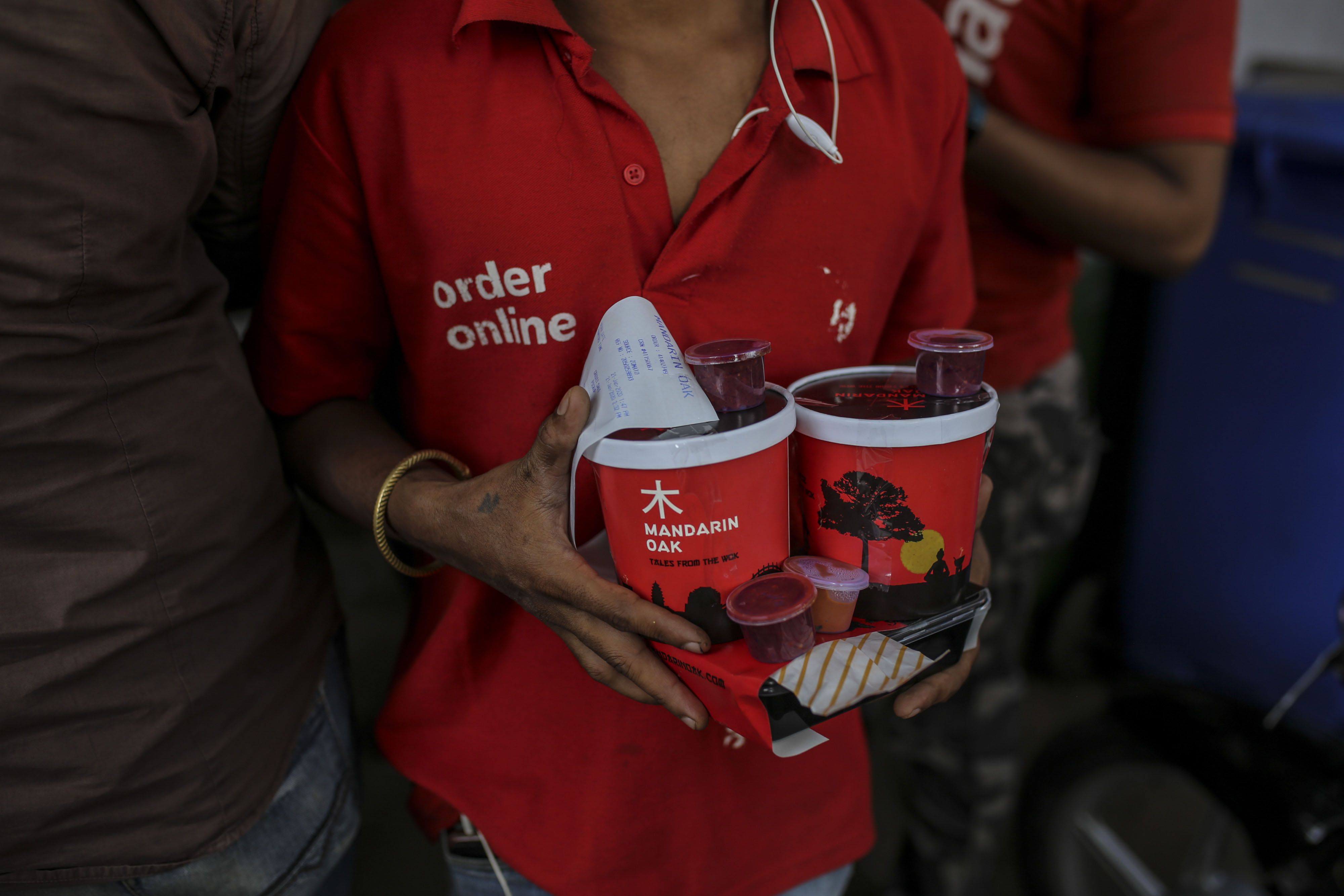
India's restaurant industry shrank by half during the pandemic, with thousands of outlets closing down.
At least 25% of all restaurants in the country have closed permanently since March 2020, the onset of the pandemic, according to the National Restaurant Association of India. That forced 24 lakh people out of jobs.
The size of the restaurant industry fell 53% over the year earlier to Rs 2 lakh crore in FY21. Without the disruption, it was estimated to reach Rs 4.95 lakh crore.
The NRAI, representing more than five lakh restaurants, estimates that in a normal fiscal, the food and services industry would have touched nearly Rs 5.5 lakh crore in FY22. But that has been slashed to Rs 4.7 lakh crore as the “industry is still far from crossing pre-Covid level business despite normalcy kicking in”.
The average revenue after the second wave, the lobby's assessment report said, is still at 72% and profitability is at 54% of what it was prior to the pandemic. “The industry may manage to get to just 85% of the pre-Covid levels in FY22.”
The restaurant industry employs about 73 lakh people and is among the largest job creators for the economy, according to the NRAI. It's estimated to have contributed Rs 18,000 crore to the exchequer in direct and indirect taxes in FY20—a normal year.
Worst-Hit
The unorganised sector comprising roadside eateries and dhabaas were the worst-hit, the study said.
“Due to hygiene and safety issues as well as lack of working capital with these small entrepreneurs, the small businesses suffered,” it said. The void created by this segment would be addressed by the rapid emergence of more players across affordable, casual-dining restaurants and quick-service restaurants within the organised segment.
In the organised sector, bar cafes, pubs and lounges suffered the biggest decline in profit and revenue as these formats derive 60-70% of their sales from alcohol business. Food aggregators such as Zomato and Swiggy came to their rescue, but that was months later.
The report pegs the share of the organised segment in the overall market to reach 54% over the next five years from 40% now.
Within this segment, QSR chains are expected to grow at an annualised rate of 20%. That's because McDonald's, KFC and Domino's, among others, recovered swiftly even as dine-ins were shut. These chains, the report said, have modeled home delivery and over-the-counter pickup into the business long before Covid, making it easier to adapt to the new normal of only online ordering and deliveries.
Focus On Direct Orders
The industry is going through intense restructuring to adapt to the challenges posed by Covid, said Nitin Saluja, Chaayos founder and NRAI managing committee member.
For instance, the average contribution of deliveries to overall share of revenue for restaurants stood at 11% pre-Covid. This jumped to 29% after the first unlock and continued to grow to touch 33% after the second unlock. As the Covid situation improves and things normalise, the delivery segment is projected to shrink from the current levels, but it would remain well above the pre-Covid levels, the association said. The average spend on digital marketing as a percentage of revenue has gone up for all players as they aggressively forayed into deliveries and online ordering during the pandemic.
But “a parallel system of direct delivery is emerging”.
Many restaurants, the report said, have been doubling down on technology and exploring direct delivery either through their own apps/websites or tying up with third-parties such as DotPe as they charge relatively lesser commissions than Swiggy or Zomato. The need for first-party consumer data, generally not provided by aggregator apps, is another factor that propelled the growth of the direct-to-consumer delivery model.
“Zomato and Swiggy charge commissions in the range of 20-30% of sales and additional investments to promote the brand on their platform.”
For many businesses, however, this was unsustainable with diminished margins and more so in the face of reduced order volumes, the report said. “The second challenge was the growing cost to differentiate and create customer connect, with restrictive data sharing by aggregators adding to the woes. These factors triggered the rapid growth of the parallel delivery ecosystem.”
Domino's, for instance, said it has reduced the delivery time to 20 minutes from 30 minute in several locations. It registered the highest-ever app downloads at 72 lakh during July-September.
Pizza Hut, too, observed a 40% increase in app downloads during the period. Restaurants that don't have their delivery setup are exploring models like DotPe.
Earlier this year, DotPe coined #OrderDirect.
“While the current model of food delivery is dominated by food aggregators, the future will be driven by unbundled commerce or decentralised e-commerce helping restaurants directly connect with the customers while charging a flat fee per order,” the NRAI report said.

-
'Never Seen This Level Of Negativity': Sandeep Tandon Says The Next Rally May Be Closer Than You Think

Veteran investor Sandeep Tandon says foreign selling is easing, large-caps are due a comeback and mid-caps are crowded, while he turns positive on gold, power and pharma this Diwali.
-
Indians Stay With Family, Not In Hotels | The Reason Why
India still lacks enough clean, reliable and affordable hotels for budget-conscious travellers.
-
The Economic Imperative: Analysing The Material Driving Force Behind India-Canada Strategic Reset
This economic complementarity is further reinforced by deep institutional investment ties and talent mobility, which form the bedrock of the bilateral framework.
-
Medicine Pricing: Where Must Profit Stop?
India must confront excessive margins, hidden incentives and regulatory gaps that threaten the integrity of medicine.
-
Why Amazon And Flipkart Are Struggling To Beat Meesho In India's Smaller Cities
With 274 million users and lowest-cost logistics, Meesho is defending its value commerce crown against giants like Amazon and Flipkart.
-
High US Salaries, No Green Card Certainty: The Financial Calculation Facing Indian H-1B Families
The suspension of PERM processing at eight technology employers does not cancel existing H-1B visas. What it does is force a question many Indian families have been avoiding: is the US salary worth tying your career and family plans to one employer?
-
Swiggy vs Eternal: Food Delivery's Two Rivals Are No Longer In The Same Race
Eternal is building a private AI assistant, dark.ai. Swiggy is still working out how to make Instamart pay, with an operating loss of Rs 895 crore in the July-September quarter while Blinkit stayed profitable.
-
Where You Live Shapes How You Get To Work | The Reason Why
Two-wheelers are the most popular way to get to work in India, accounting for nearly 43% of workplace commutes.
-
Unhedged Position: Can India See An Indonesia-Style Time Correction?
The Nifty is trading below levels it first clocked in 2024. Is there, then, as I have suggested in the headline, potential that the current time correction drags on painfully for the next three-five, even ten years?
-
Navigating Friction And Energy Realities: An Analysis Of Marco Rubio's October Visit To India
Occurring at a critical juncture marked by stalled trade negotiations and escalating geopolitical pressures over global energy supplies, the visit offers a profound window into modern US-India relations.










