Oyo Speeds Up IPO Plans As Founder’s Debt Repayment Date Looms
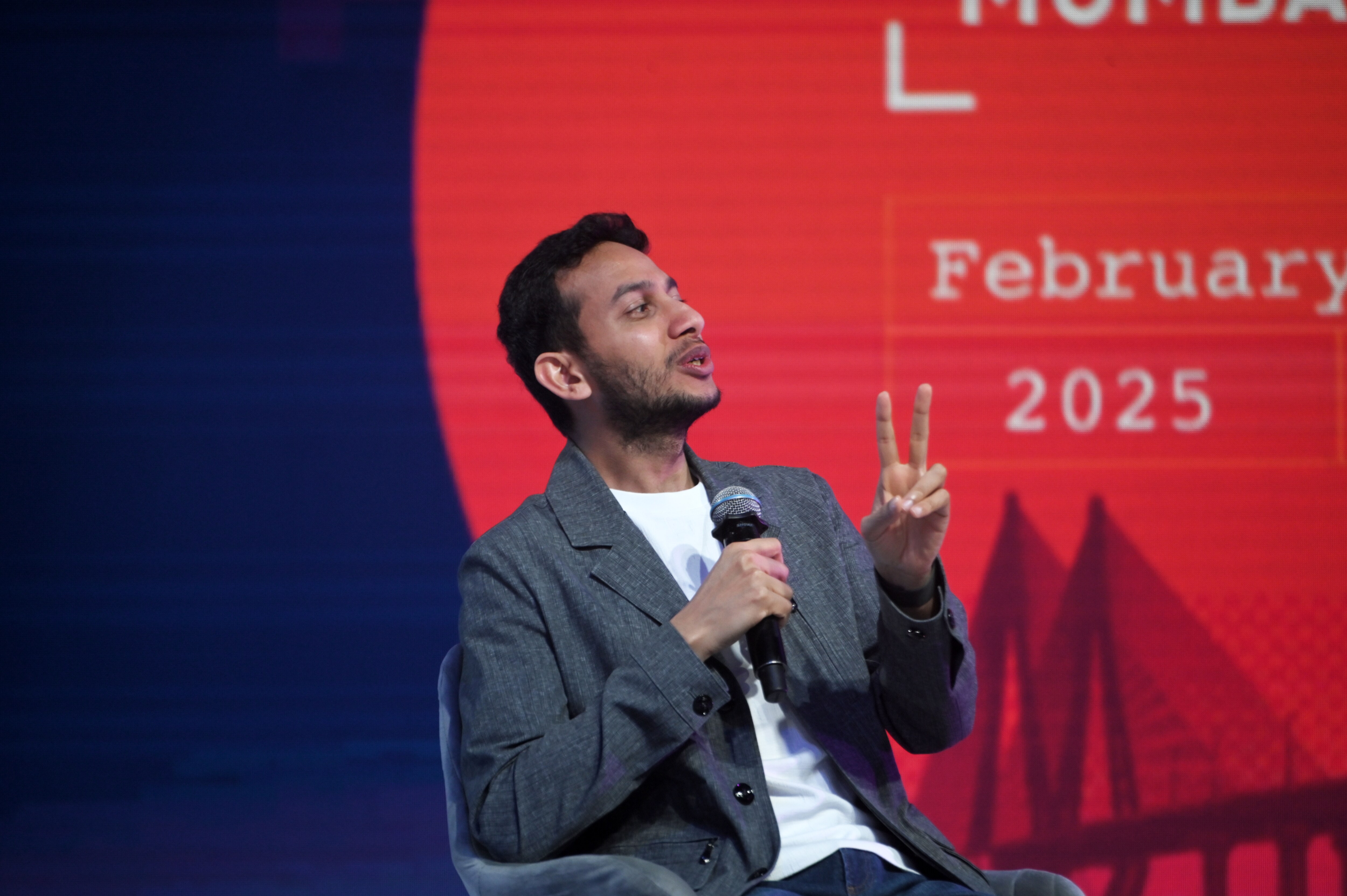
India's Oyo Hotels is speeding up plans for an initial public offering, as an important year-end debt repayment deadline approaches.
Creditors, including Mizuho Financial Group Inc., insist that founder Ritesh Agarwal pay off the dues for $383 million he borrowed — part of a multibillion-dollar loan package — if the startup doesn't have an IPO by October, people familiar with the matter said. Lenders want clear visibility on Agarwal's liquidity and will potentially allow him to delay the repayment until 2027 only if Oyo lists this year, they said, asking not to be named as the matter is private.
Agarwal, 31, borrowed $2.2 billion in 2019, with a guarantee from backer SoftBank Group Corp.'s boss Masayoshi Son, to increase his stake in Oyo and gain more strategic control over a company he built in his teens. That loan was restructured in 2022, and Agarwal is yet to pay back its first tranche, the people said.
Oyo, once one of SoftBank's most prominent investees, has explored a stock-market debut for years — until Covid-19 wiped out once-stellar growth. The startup has now begun discussions with bankers for an IPO valuing the firm at as much as $5 billion, the people said. SoftBank is its largest shareholder with a stake of more than 40%. Agarwal, whose previous plans to list Oyo floundered, owns more than 30%.
Agarwal's family office, when asked for a comment, said Oyo's IPO plan “whenever it's decided would consider its strong net profits” for the year through March 2024 and “expected strong year” ending March 2025.
“A lot of the information regarding the financing arrangement and the so-called restructuring is completely incorrect and just speculation or rumor-mongering,” it said. “The speculated valuation is also separated from reality and lower than the secondary transactions that we are aware of.”
SoftBank representatives didn't immediately respond to a request for comment outside regular business hours. Mizuho representatives also didn't respond.
Agarwal founded Oyo, India's answer to Airbnb Inc., in 2013 after dropping out of college. He soon won the backing of SoftBank's Son, who mentored the young entrepreneur and urged him to rapidly expand in markets like Japan and the US — with disastrous consequences. The Covid-19 pandemic also hammered Oyo's business that rests on cheap hotels for price-sensitive customers. The upstart's troubles — including its losses on aggressive overseas expansion and legal disputes — epitomize India's venture-funding-fueled boom that fizzled as investors turned their focus on profitability.
Oyo has made a gradual recovery after coronavirus infections subsided and the world opened up — it eked out a small profit for the fiscal year through March 2024 as sales recovered.
Late last year, Agarwal infused about Rs 830 crore ($95 million) in the company through his Singapore-based investment firm.

-
Foreign Investors Own Half Of HDFC Bank and ICICI Bank. An LTCG Cut Could Matter Most Here

Foreign portfolio investors have US$115 billion parked in HDFC Bank, ICICI Bank. If the government cuts long-term capital gains tax, Jefferies says returning foreign money could land here first.
-
'Never Seen This Level Of Negativity': Sandeep Tandon Says The Next Rally May Be Closer Than You Think
Veteran investor Sandeep Tandon says foreign selling is easing, large-caps are due a comeback and mid-caps are crowded, while he turns positive on gold, power and pharma this Diwali.
-
Indians Stay With Family, Not In Hotels | The Reason Why
India still lacks enough clean, reliable and affordable hotels for budget-conscious travellers.
-
The Economic Imperative: Analysing The Material Driving Force Behind India-Canada Strategic Reset
This economic complementarity is further reinforced by deep institutional investment ties and talent mobility, which form the bedrock of the bilateral framework.
-
Medicine Pricing: Where Must Profit Stop?
India must confront excessive margins, hidden incentives and regulatory gaps that threaten the integrity of medicine.
-
Why Amazon And Flipkart Are Struggling To Beat Meesho In India's Smaller Cities
With 274 million users and lowest-cost logistics, Meesho is defending its value commerce crown against giants like Amazon and Flipkart.
-
High US Salaries, No Green Card Certainty: The Financial Calculation Facing Indian H-1B Families
The suspension of PERM processing at eight technology employers does not cancel existing H-1B visas. What it does is force a question many Indian families have been avoiding: is the US salary worth tying your career and family plans to one employer?
-
Swiggy vs Eternal: Food Delivery's Two Rivals Are No Longer In The Same Race
Eternal is building a private AI assistant, dark.ai. Swiggy is still working out how to make Instamart pay, with an operating loss of Rs 895 crore in the July-September quarter while Blinkit stayed profitable.
-
Where You Live Shapes How You Get To Work | The Reason Why
Two-wheelers are the most popular way to get to work in India, accounting for nearly 43% of workplace commutes.
-
Unhedged Position: Can India See An Indonesia-Style Time Correction?
The Nifty is trading below levels it first clocked in 2024. Is there, then, as I have suggested in the headline, potential that the current time correction drags on painfully for the next three-five, even ten years?










