Oyo Speeds Up IPO Plans As Founder’s Debt Repayment Date Looms
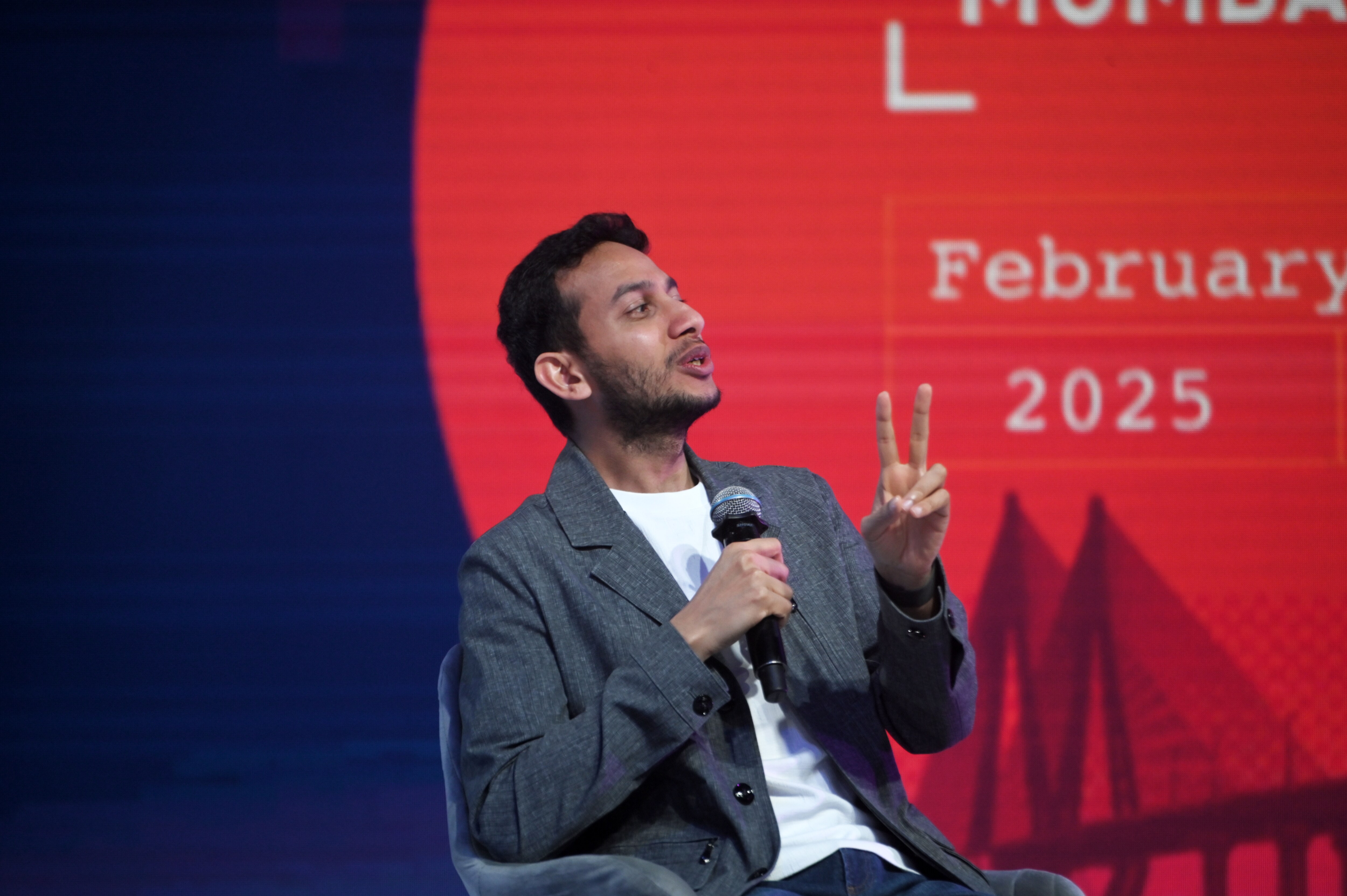
India's Oyo Hotels is speeding up plans for an initial public offering, as an important year-end debt repayment deadline approaches.
Creditors, including Mizuho Financial Group Inc., insist that founder Ritesh Agarwal pay off the dues for $383 million he borrowed — part of a multibillion-dollar loan package — if the startup doesn't have an IPO by October, people familiar with the matter said. Lenders want clear visibility on Agarwal's liquidity and will potentially allow him to delay the repayment until 2027 only if Oyo lists this year, they said, asking not to be named as the matter is private.
Agarwal, 31, borrowed $2.2 billion in 2019, with a guarantee from backer SoftBank Group Corp.'s boss Masayoshi Son, to increase his stake in Oyo and gain more strategic control over a company he built in his teens. That loan was restructured in 2022, and Agarwal is yet to pay back its first tranche, the people said.
Oyo, once one of SoftBank's most prominent investees, has explored a stock-market debut for years — until Covid-19 wiped out once-stellar growth. The startup has now begun discussions with bankers for an IPO valuing the firm at as much as $5 billion, the people said. SoftBank is its largest shareholder with a stake of more than 40%. Agarwal, whose previous plans to list Oyo floundered, owns more than 30%.
Agarwal's family office, when asked for a comment, said Oyo's IPO plan “whenever it's decided would consider its strong net profits” for the year through March 2024 and “expected strong year” ending March 2025.
“A lot of the information regarding the financing arrangement and the so-called restructuring is completely incorrect and just speculation or rumor-mongering,” it said. “The speculated valuation is also separated from reality and lower than the secondary transactions that we are aware of.”
SoftBank representatives didn't immediately respond to a request for comment outside regular business hours. Mizuho representatives also didn't respond.
Agarwal founded Oyo, India's answer to Airbnb Inc., in 2013 after dropping out of college. He soon won the backing of SoftBank's Son, who mentored the young entrepreneur and urged him to rapidly expand in markets like Japan and the US — with disastrous consequences. The Covid-19 pandemic also hammered Oyo's business that rests on cheap hotels for price-sensitive customers. The upstart's troubles — including its losses on aggressive overseas expansion and legal disputes — epitomize India's venture-funding-fueled boom that fizzled as investors turned their focus on profitability.
Oyo has made a gradual recovery after coronavirus infections subsided and the world opened up — it eked out a small profit for the fiscal year through March 2024 as sales recovered.
Late last year, Agarwal infused about Rs 830 crore ($95 million) in the company through his Singapore-based investment firm.

-
Talking Points This Week: Leadership Shock At Nvidia, Earnings Strength, And The Fog Over Hormuz

The Anthropic IPO pricing and first trading day, Nvidia's upcoming earnings, and any fresh signals from Iran will set the tone for the following week.
-
Signature Play: The Classic Cocktail Is Dead. Or Is It?
Classic cocktails are disappearing from India's cocktail menus. But they're still being ordered, taught to bartenders and borrowed from. So, who's really having the last drink?
-
A New Samvat Wishlist: Inclusive Prosperity And Human Development
India has strengthened its economic foundations through infrastructure, digital access and enterprise. Its next growth chapter must deepen productivity, create better livelihoods and widen participation in prosperity.
-
Love, Sex Aur Dhokha: The Audacious Plot To Spy On Jensen Huang
A Taipei dinner, a Singapore chip buyer and a suspected Chinese asset: inside the alleged spy operation that got close to NVIDIA's Jensen Huang.
-
Ten Things I Learnt This Samvat
Patience can be a trap. Cheap stocks can stay cheap. Leverage can wipe you out. What did Samvat 2082 teach us? Niraj Shah writes on 10 lessons from the year gone by.
-
Talking Points This Week: Tech Nerves, FII Buying, And A Faraway Banking Shock
The global markets are not shining this Diwali. The exception in the large markets is, India.
-
Midterm Rally Lasted A Day. The Hard Reality Of A Divided US May Last Two Years | Opinion
Between a contested AI boom, a debt ceiling that arrives in 2027 and a president with every incentive to act alone, the next two years may prove more volatile than the first day's rally suggests.
-
Blue Wave Will Derail the AI Trade but Won't Dismantle the AI Era | Unhedged Position
The Democrats' sweep of the US Congress will see politics collide with economic forces both over the long and short term.
-
It's Time To Take The GST Council's Bet On Trust Global
Payment records can prove India's services exports, and clear, proportionate rules can bring foreign digital sellers into the tax net.
-
Opinion | India at 38: From Innovation Overperformer to Innovation Powerhouse
India now has 453 VC-backed deep science startups, 18 of them late-stage, after 117 percent growth since 2020. Laurus Labs, at USD 9.3 billion, is the most valuable deep science company in any middle-income economy outside China.









