Operational IL&FS SPVs Seek Refund Of Debt Payments, Says India Ratings
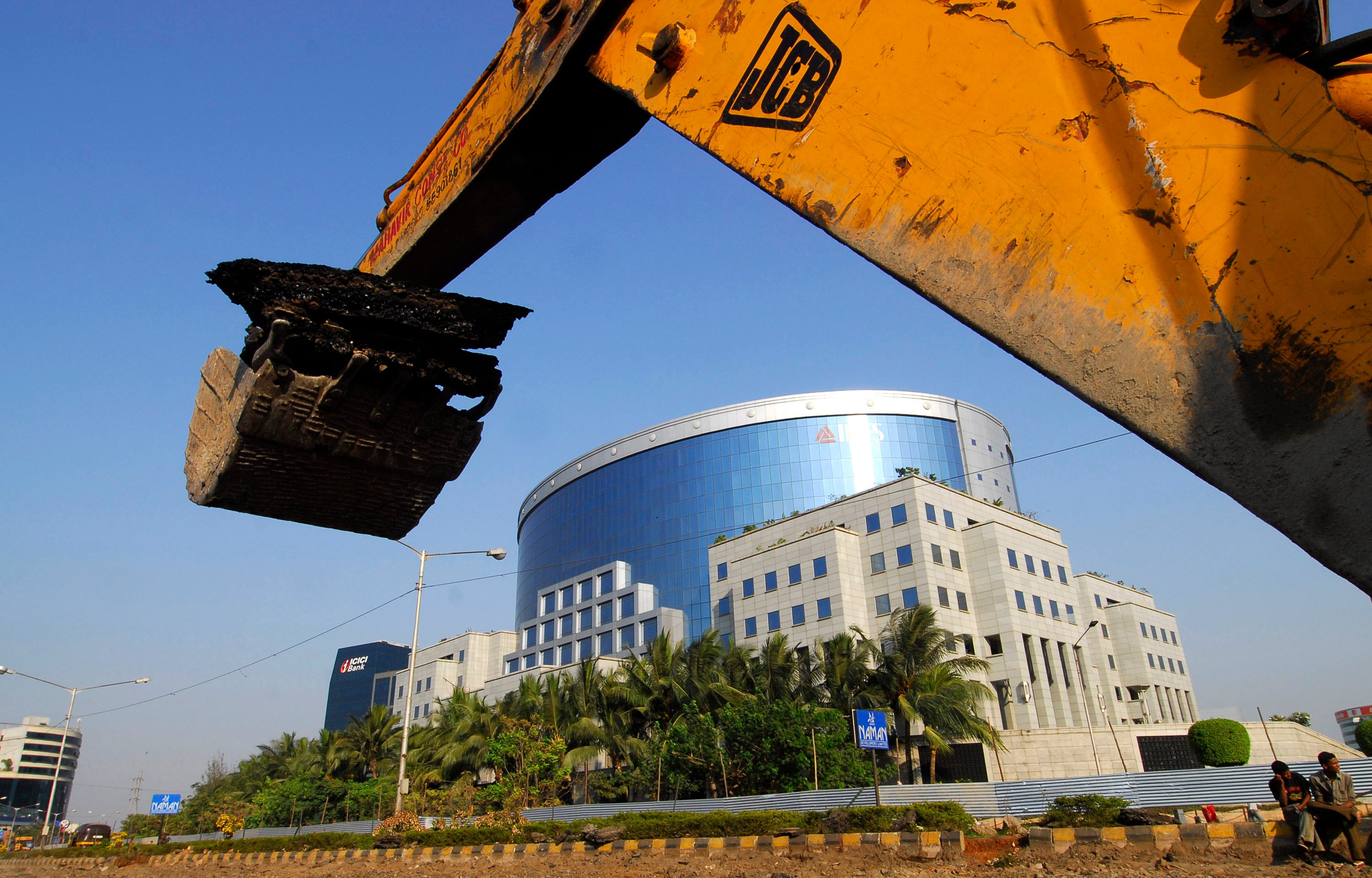
Two operating and cash-flow generating special purpose vehicles of Infrastructure Leasing & Financial Services are seeking a refund of debt payments made in October, according to information received by ratings agency India Ratings & Research. The request, which follows an order of the National Company Law Appellate Tribunal, could raise concerns over the efficacy of the SPV structure commonly used in the infrastructure sector in India, said the rating agency in a note published on Tuesday.
“Two special purpose vehicles of the IL&FS Group, the Jharkhand Road Projects Implementation Company Ltd. and the West Gujarat Expressway Ltd., have sent letters to their trustees demanding a refund of debt payments made by them after the 15th October 2018,” said India Ratings in its note. This, despite the fact that these projects have adequate cash flows to meet their debt repayments.
According to India Ratings, the request for a refund appears to be based on a legal interpretation that the moratorium applies to IL&FS Group and all of its 348 group group companies. However, such a request is not in keeping with the ring-fencing structure used by some of these projects.
The ring-fenced and escrow structure enables the project cash flows to remain intact until debt obligations and other covenants are met and financial agreements ensure reasonable remoteness to the sponsor's bankruptcy. Therefore, irrespective of sponsor's credit profile, the ring-fencing mechanism ensures debt service.India Ratings & Research
N. Sivaraman, chief operating officer at IL&FS declined to comment.
For JRPICL, the next date for debt servicing is on Jan. 21, while WGEL is scheduled to make its next debt payment on Jan. 31.
Despite the move to demand a refund, India Ratings continues to expect lenders “to instruct the trustees and the escrow bank to release the payments. However, if JRPICL and WGEL are able to stop the payments, then the ratings on the bonds will have to be downgraded...”
The Broader Concern
India Ratings, in its note, said that the decision of SPVs under the IL&FS group to try and seek refunds on debt payments could raise broader concerns for the infrastructure sector. This is because the SPC structure is widely used to finance infrastructure projects.
Any infrastructure project is evaluated by lenders and rating agencies on the basis of its cash flows, liquidity position, transaction documents and the rights of investors, lenders and trustees to monitor the project. Further, the infrastructure financing or project financing given by lenders is based on tight loan agreements, wherein lenders demand a well-defined payment structure. To safeguard repayments, certain cash flows are ring-fenced and set aside specifically for debt repayments.
Since these two SPVs an self-sustaining, if they were to stop making payments towards their lenders it will “not only destabilise all their ratings but also raise questions on the effectiveness of their ring-fenced structure.”
The worry, added the note, is that this could set a precedent.
India Ratings rates infrastructure SPV debt of over Rs 1.6 lakh crore with a well-defined payment waterfall mechanism. Efficacy of such structures will come into question when a legal loan agreement is overridden. Furthermore, the lenders and investors in these assets may no more depend on or appraise project cash flows alone, but will have to appraise projects of the weakest entity in the group and price it accordingly.India Ratings & Research

-
Extracting Value From Battery Scrap Could Be Challenging For India | The Reason Why

A discarded lithium-ion battery still contains valuable materials such as lithium, nickel and cobalt. These can be recovered and reused. When such batteries are crushed and shredded, they produce a dark powder called black mass.
-
One El Nino, India Can Handle. Two Could Break The Granary
India's grain stocks can absorb one bad year, but a second El Nino could drain the buffer in two to three years, economists say.
-
India's Troika Of Good Luck | Joining The Dots
As Jensen Huang's exit drags Nvidia down, a cooling AI trade and resilient earnings have revived investor interest in India. A likely RBI rate hike looms.
-
Talking Points This Week: Leadership Shock At Nvidia, Earnings Strength, And The Fog Over Hormuz
The Anthropic IPO pricing and first trading day, Nvidia's upcoming earnings, and any fresh signals from Iran will set the tone for the following week.
-
Signature Play: The Classic Cocktail Is Dead. Or Is It?
Classic cocktails are disappearing from India's cocktail menus. But they're still being ordered, taught to bartenders and borrowed from. So, who's really having the last drink?
-
A New Samvat Wishlist: Inclusive Prosperity And Human Development
India has strengthened its economic foundations through infrastructure, digital access and enterprise. Its next growth chapter must deepen productivity, create better livelihoods and widen participation in prosperity.
-
Love, Sex Aur Dhokha: The Audacious Plot To Spy On Jensen Huang
A Taipei dinner, a Singapore chip buyer and a suspected Chinese asset: inside the alleged spy operation that got close to NVIDIA's Jensen Huang.
-
Ten Things I Learnt This Samvat
Patience can be a trap. Cheap stocks can stay cheap. Leverage can wipe you out. What did Samvat 2082 teach us? Niraj Shah writes on 10 lessons from the year gone by.
-
Talking Points This Week: Tech Nerves, FII Buying, And A Faraway Banking Shock
The global markets are not shining this Diwali. The exception in the large markets is, India.
-
Midterm Rally Lasted A Day. The Hard Reality Of A Divided US May Last Two Years | Opinion
Between a contested AI boom, a debt ceiling that arrives in 2027 and a president with every incentive to act alone, the next two years may prove more volatile than the first day's rally suggests.









