Online Shopping To Grow By 540 per cent In 4 Years : Morgan Stanely
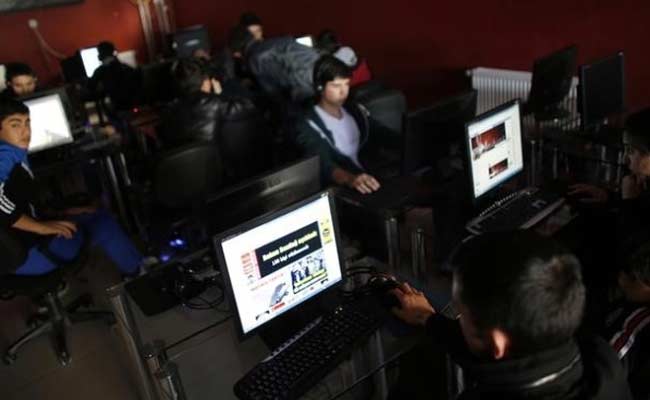
India's millennials, about 28 per cent of the population, will drive the internet growth especially online transactions in the coming years, a top Morgan Stanley official has said.
"These young people are going to be a lot open to adopting technology and become conduit for improving tech penetration within the entire population as well," said Parag Gupta, the executive director who leads the technology,internet and media practice for Morgan Stanley India.
An average per capita income of the Indian millennials (a person reaching young adulthood around the year 2000), was USD 2,400, while those above 45 years earned about USD 2,150 in 2015.
"We believe this could propel internet penetration and online adoption/engagement in India," said a recent Morgan Stanley survey.
The millennial will lead the older in increasing the internet use, Gupta added.
"The younger generation will start transacting online a lot faster," he said, citing their higher earnings from a consumer survey.
"We expect India to be the fastest growing e-commerce market globally," Gupta said.
The avenue for online transaction growth is phenomenal, averaging 60 per cent based on compound aggregate growth rate during 2014 and 2020.
The growth for overall internet market is seen at 45 per cent compound annual growth rate (CAGR) during same period. He sees daily increase in the number of internet users.
"We are seeing about 100 million smartphone shipped into India annually which are essentially going to first time internet users," he said.
"This means we are now adding 100 million new internet users every year," he said. Internet penetration at the end of 2015 was around 33 per cent or 400 million internet users. "We are expecting to see 790 million internet users by 2020," Gupta said.
He also sees increases in online shopping to about 320 million people in 2020 from the present 50 million. These new spenders on internet would be the primary drivers of growth in the internet sector itself. The growth is led by higher volume from the increase in the number of online shoppers. But individual spending will increase to USD 300 per year from current USD 240 per year by 2018, according to Gupta.
(This story has not been edited by NDTV staff and is auto-generated from a syndicated feed.)

-
The Economic Imperative: Analysing The Material Driving Force Behind India-Canada Strategic Reset

This economic complementarity is further reinforced by deep institutional investment ties and talent mobility, which form the bedrock of the bilateral framework.
-
Medicine Pricing: Where Must Profit Stop?
India must confront excessive margins, hidden incentives and regulatory gaps that threaten the integrity of medicine.
-
Why Amazon And Flipkart Are Struggling To Beat Meesho In India's Smaller Cities
With 274 million users and lowest-cost logistics, Meesho is defending its value commerce crown against giants like Amazon and Flipkart.
-
High US Salaries, No Green Card Certainty: The Financial Calculation Facing Indian H-1B Families
The suspension of PERM processing at eight technology employers does not cancel existing H-1B visas. What it does is force a question many Indian families have been avoiding: is the US salary worth tying your career and family plans to one employer?
-
Swiggy vs Eternal: Food Delivery's Two Rivals Are No Longer In The Same Race
Eternal is building a private AI assistant, dark.ai. Swiggy is still working out how to make Instamart pay, with an operating loss of Rs 895 crore in the July-September quarter while Blinkit stayed profitable.
-
Where You Live Shapes How You Get To Work | The Reason Why
Two-wheelers are the most popular way to get to work in India, accounting for nearly 43% of workplace commutes.
-
Unhedged Position: Can India See An Indonesia-Style Time Correction?
The Nifty is trading below levels it first clocked in 2024. Is there, then, as I have suggested in the headline, potential that the current time correction drags on painfully for the next three-five, even ten years?
-
Navigating Friction And Energy Realities: An Analysis Of Marco Rubio's October Visit To India
Occurring at a critical juncture marked by stalled trade negotiations and escalating geopolitical pressures over global energy supplies, the visit offers a profound window into modern US-India relations.
-
India Exports Capital. Why Not Export Trusteeship?
The big question, then, is whether India can build an institution that global borrowers, investors, banks, and lawyers can trust, even without an Indian connection.
-
France's Economy & Politics Are In Crisis | The Reason Why
Let's look at how the French economy and politics evolved under Nicolas Sarkozy, Franois Hollande and Emmanuel Macron.










