ONGC’s Deepest Gas Find Hits Regulatory Hurdle
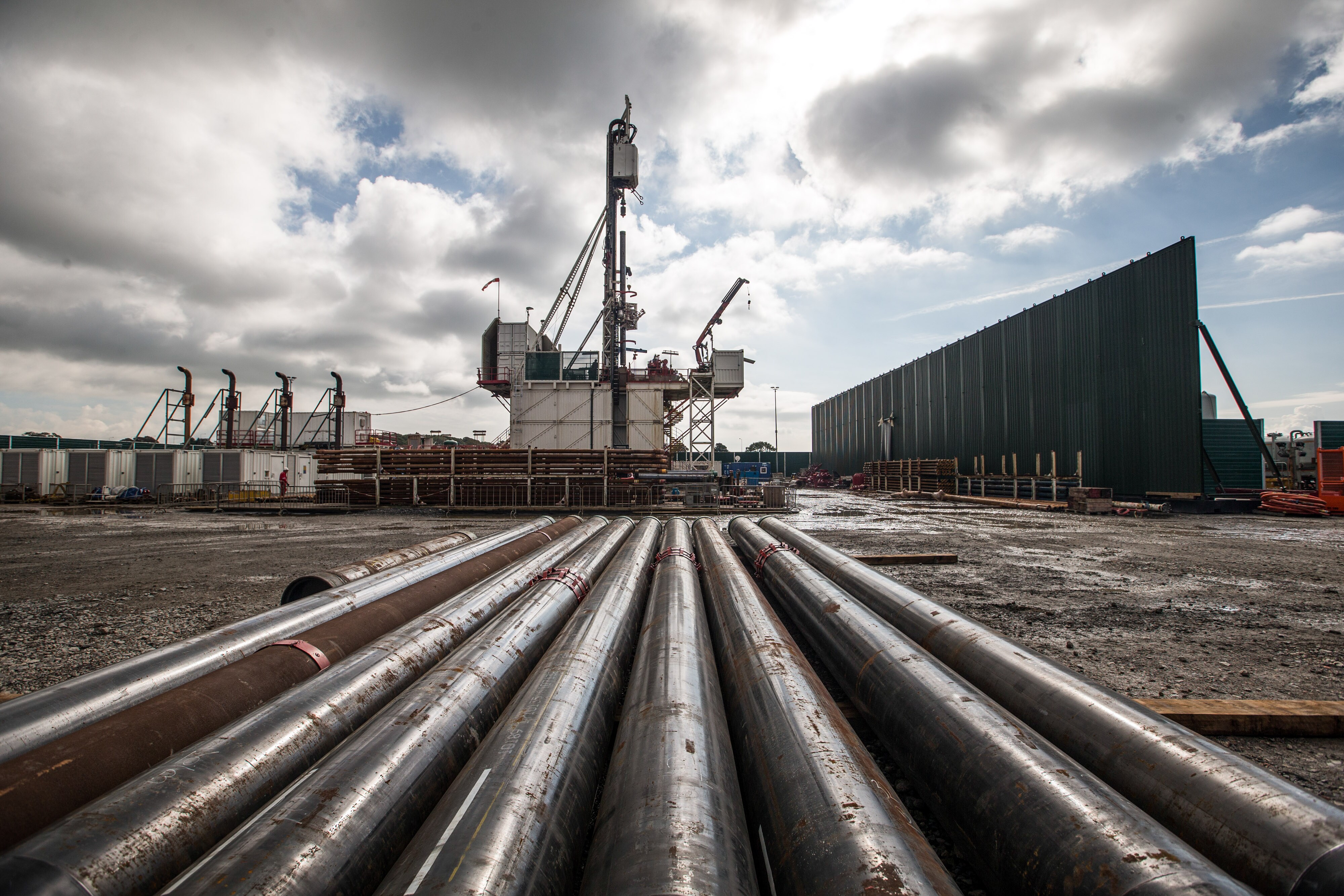
The upstream oil regulator has refused to review the commerciality of India's deepest gas discovery by the Oil and Natural Gas Corp citing technological challenges.
ONGC plans to invest Rs 21,528.10 crore to develop the ultra deep sea discovery in its Bay of Bengal block by 2022-23. This find would have helped the explorer double the output from the Krishna Godavari block.
While ONGC had approached the DGH seeking go-ahead for declaring that the discovery is of potential commercial interest, the regulator declined to review its request saying there was no technology available to produce gas from such depths, said persons with direct knowledge of the development.
A senior ONGC official said it is beyond the mandate of the regulator to not review a discovery and look into technology. “We are the operator and are confident of technology being available to develop the discovery.” The company has replied to DGH over its concerns, said the official.
ONGC plans to drill nine wells on the discovery that lies in water depths of 2,400-3,200 metres in the KG- DWN-98/2 (KG-D5) block and will produce a peak output of 19 million standard cubic metres per day. The ultra-deep sea reserve (UD-1) holds some 75 billion cubic meters.
The official said that there are consultants who have showed to ONGC that discoveries deeper than its find have been put to production in recent times, particularly in Gulf of Mexico. ONGC is in the process of appointing a consultant who will assist in developing (UD-1) the discovery, the official said.
The 7,294.6 sq km KG-D5 block, which includes 11 oil and gas discoveries and UD-1, sits next to Reliance Industries' KG-D6 fields. Last year, ONGC finalised a Rs 34,012-crore (USD 5.076.37 billion) plan for developing few wells. First gas production is expected by June 2019 and oil would start flowing from the next year 2020, the official said.

-
The Economic Imperative: Analysing The Material Driving Force Behind India-Canada Strategic Reset

This economic complementarity is further reinforced by deep institutional investment ties and talent mobility, which form the bedrock of the bilateral framework.
-
Medicine Pricing: Where Must Profit Stop?
India must confront excessive margins, hidden incentives and regulatory gaps that threaten the integrity of medicine.
-
Why Amazon And Flipkart Are Struggling To Beat Meesho In India's Smaller Cities
With 274 million users and lowest-cost logistics, Meesho is defending its value commerce crown against giants like Amazon and Flipkart.
-
High US Salaries, No Green Card Certainty: The Financial Calculation Facing Indian H-1B Families
The suspension of PERM processing at eight technology employers does not cancel existing H-1B visas. What it does is force a question many Indian families have been avoiding: is the US salary worth tying your career and family plans to one employer?
-
Swiggy vs Eternal: Food Delivery's Two Rivals Are No Longer In The Same Race
Eternal is building a private AI assistant, dark.ai. Swiggy is still working out how to make Instamart pay, with an operating loss of Rs 895 crore in the July-September quarter while Blinkit stayed profitable.
-
Where You Live Shapes How You Get To Work | The Reason Why
Two-wheelers are the most popular way to get to work in India, accounting for nearly 43% of workplace commutes.
-
Unhedged Position: Can India See An Indonesia-Style Time Correction?
The Nifty is trading below levels it first clocked in 2024. Is there, then, as I have suggested in the headline, potential that the current time correction drags on painfully for the next three-five, even ten years?
-
Navigating Friction And Energy Realities: An Analysis Of Marco Rubio's October Visit To India
Occurring at a critical juncture marked by stalled trade negotiations and escalating geopolitical pressures over global energy supplies, the visit offers a profound window into modern US-India relations.
-
India Exports Capital. Why Not Export Trusteeship?
The big question, then, is whether India can build an institution that global borrowers, investors, banks, and lawyers can trust, even without an Indian connection.
-
France's Economy & Politics Are In Crisis | The Reason Why
Let's look at how the French economy and politics evolved under Nicolas Sarkozy, Franois Hollande and Emmanuel Macron.










