Oil Nears $90 For First Time In 2023, Fuel Price Unlikely To Change In India
Oil prices hit a 10-month high of nearly USD 90 per barrel as Saudi Arabia and Russia extended their voluntary production and export cuts until the end of the year.
For a nation that is more than 85 per cent dependent on imports for its oil needs, the surge in prices means India will have to shell out more and the prospect of returning to market-driven petrol and diesel prices in the near future diminished further.
Brent crude prices surged around 6.5 per cent over the past week after Saudi Arabia, which leads the expanded OPEC cartel with Russia, decided to keep its one million barrels a day reduction in supplies to the global market until the end of December.
Russia has added its own voluntary export cuts in recent months.
The move has led to Brent rising above USD 90 a barrel for the first time this year on Tuesday. On Wednesday, it was trading at USD 89.67 per barrel.
The basket of crude oil that India imports has averaged USD 89.81 per barrel this month, up from USD 86.43 in August, according to oil ministry data.
The Indian basket was hovering in the range of USD 73-75 per barrel in May and June, rekindling hopes for a return to market-based pricing and a reduction in petrol and diesel prices.
But rates spurt to USD 80.37 per barrel in July and now to near USD 90.
"Public sector oil companies had been recouping losses they incurred for holding rates when crude oil prices shot through the roof last year. In May, international oil prices and retail pump rates had come at par.
"But now with the prices rising, the difference between cost and retail prices will reappear," an industry official said.
India imports 85 per cent of its oil needs and its fuel pricing is indexed to international rates.
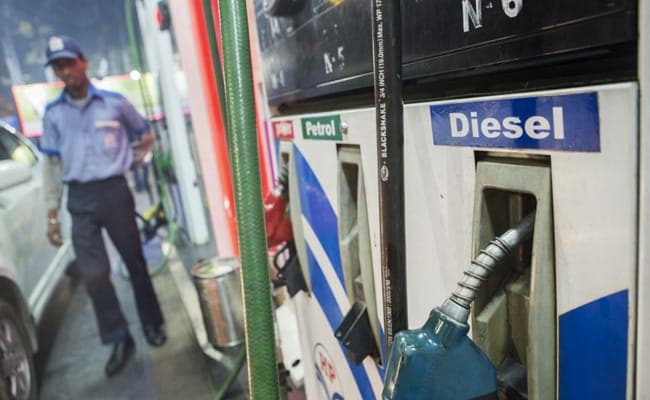
Petrol and diesel prices have been on a freeze for a record 17 months in a row. Petrol costs Rs 96.72 per litre in the national capital and diesel comes for Rs 89.62 a litre.
State-owned fuel retailers are supposed to revise petrol and diesel prices daily based on a 15-day rolling average of benchmark international fuel prices but they haven't done that since April 6, 2022.
Prices were last changed on May 22 when the government cut excise duty to give relief to consumers from a spike in retail rates that followed a surge in international oil prices.
Sources said if international oil prices had stayed around USD 73-74 a barrel range, oil companies would have re-started daily price revision.
Higher prices would mean domestic producers like the Oil and Natural Gas Corporation (ONGC) get a higher price. However, the incremental revenues are likely to be ploughed by the government in the form of a windfall profit tax.
The tax, levied in the form of Special Additional Excise Duty (SAED), on domestically produced crude oil was reduced to Rs 6,700 per tonne starting September 2, from Rs 7,100 a tonne previously.
A windfall tax is levied on domestic crude oil if rates of the global benchmark rise above USD 75 per barrel.
Crude oil pumped out of the ground and from below the seabed is refined and converted into fuels like petrol, diesel and aviation turbine fuel.
(Except for the headline, this story has not been edited by NDTV staff and is published from a syndicated feed.)

-
We May Need Another Tukaram Mundhe To Fight Air Pollution | The Reason Why

Developers may install basic measures such as sprinklers and green nets, resume work, and continue violating rules when this equipment stops working.
-
Extracting Value From Battery Scrap Could Be Challenging For India | The Reason Why
A discarded lithium-ion battery still contains valuable materials such as lithium, nickel and cobalt. These can be recovered and reused. When such batteries are crushed and shredded, they produce a dark powder called black mass.
-
One El Nino, India Can Handle. Two Could Break The Granary
India's grain stocks can absorb one bad year, but a second El Nino could drain the buffer in two to three years, economists say.
-
India's Troika Of Good Luck | Joining The Dots
As Jensen Huang's exit drags Nvidia down, a cooling AI trade and resilient earnings have revived investor interest in India. A likely RBI rate hike looms.
-
Talking Points This Week: Leadership Shock At Nvidia, Earnings Strength, And The Fog Over Hormuz
The Anthropic IPO pricing and first trading day, Nvidia's upcoming earnings, and any fresh signals from Iran will set the tone for the following week.
-
Signature Play: The Classic Cocktail Is Dead. Or Is It?
Classic cocktails are disappearing from India's cocktail menus. But they're still being ordered, taught to bartenders and borrowed from. So, who's really having the last drink?
-
A New Samvat Wishlist: Inclusive Prosperity And Human Development
India has strengthened its economic foundations through infrastructure, digital access and enterprise. Its next growth chapter must deepen productivity, create better livelihoods and widen participation in prosperity.
-
Love, Sex Aur Dhokha: The Audacious Plot To Spy On Jensen Huang
A Taipei dinner, a Singapore chip buyer and a suspected Chinese asset: inside the alleged spy operation that got close to NVIDIA's Jensen Huang.
-
Ten Things I Learnt This Samvat
Patience can be a trap. Cheap stocks can stay cheap. Leverage can wipe you out. What did Samvat 2082 teach us? Niraj Shah writes on 10 lessons from the year gone by.
-
Talking Points This Week: Tech Nerves, FII Buying, And A Faraway Banking Shock
The global markets are not shining this Diwali. The exception in the large markets is, India.









