Oil Bounces Back As Rising Stockpiles May Lead To Output Cuts
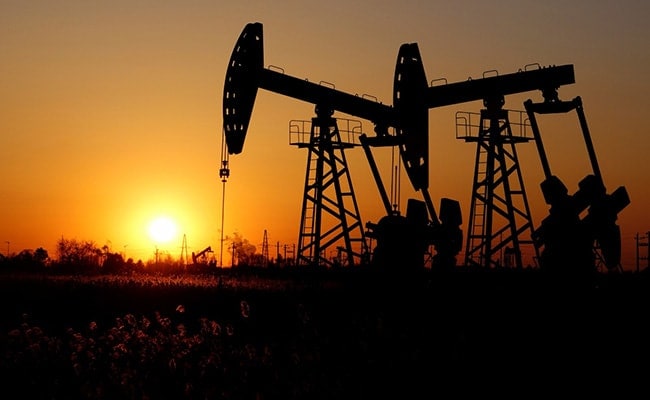
Oil rose on Thursday, with U.S. crude rebounding from near-20-year lows in the previous session on hopes that a big build-up in U.S. inventories may mean producers have little option but to deepen output cuts as the coronavirus pandemic ravages demand.
Brent crude was up 69 cents, or 2.5 per cent, at $28.38 a barrel by 0102 GMT. U.S. West Texas Intermediate (WTI) was up 56 cents, or 2.8 per cent, at $20.43.
With official data showing U.S. inventories surging the most on record, WTI fell on Wednesday to its lowest since February 2002, with Brent slumping more than 6 per cent.
The figures followed a report from the International Energy Agency (IEA) that forecast oil demand would fall by 29 million barrels per day (bpd) in April, to the lowest in 25 years, and just below 30 per cent of global demand before the coronavirus outbreak.
That number is well above production cuts in the pipeline. The Organization of the Petroleum Exporting Countries (OPEC) and allied producers including Russia, a grouping known OPEC+, have agreed to reduce output by 9.7 million bpd, while hoped-for cuts of another 10 million bpd from other countries including the United States could lower production by 20 million bpd.
"The massive storage build, as counterintuitive as it sounds, did provide some price support as the build foreshadows that more wellhead closures are just around the corner, which effectively trims U.S. supply," said Stephen Innes, chief global markets strategist at AxiCorp.
Last week, the U.S. Energy Information Administration said U.S. production is expected to slump by 470,000 bpd.
Some countries have also committed to increasing purchases of oil for their strategic stockpiles, but there are physical limits to how much oil can be bought.
The "use of strategic petroleum reserves in China, India, South Korea, and the U.S. could add about 200 million barrels of temporary storage, but this only buys a few months of wiggle room," said Innes.
Further cuts to production will be required "to avoid another collapse in oil prices," he said.

-
Gold Is Rs 22,000 Cheaper Than A Month Ago. Should You Buy Amid The Wedding Season?

Gold's potential slide to $3,500 could save around Rs 4,700 per 10 grams, but a soft inflation print could just as easily push prices back up. One way to split the risk is to buy in parts, some now and the rest after the Fed's Dec. 9 decision.
-
AI Agents Are Gaining Power. Who Governs Them?
Artificial intelligence agents promise to transform productivity by moving machines from assisting decisions to executing them. But as organisations delegate greater authority to these AI-agents, they must first establish who controls that authority and who remains accountable when things go wrong.
-
Why Swapping Your Old Gold Can Trigger A Rs 5 Lakh Tax Bill, And How You Can Avoid It Legally
Swapping old gold for new is taxed as a sale and a fresh purchase. Getting your own gold remade can cut most of that bill, though it has its own costs.
-
The AI Trade is Done. The Real Opportunity for Investors Starts in 2027 | Unhedged Position
As pureplay AI stocks plunge and circular, capex-led financing unwinds, 2027 is set to be a year of reckoning for AI companies. Yet the bust clears the way for a better opportunity for investors in 2027 -- shifting the spotlight from AI builders to the companies using AI.
-
Leadership As Mission: Why The Age Of AI Demands More Human Leadership
Debjani Ghosh examines how AI is changing leadership, arguing that its success must be measured by its impact on people and the accountability of those guiding its use.
-
We May Need Another Tukaram Mundhe To Fight Air Pollution | The Reason Why
Developers may install basic measures such as sprinklers and green nets, resume work, and continue violating rules when this equipment stops working.
-
Extracting Value From Battery Scrap Could Be Challenging For India | The Reason Why
A discarded lithium-ion battery still contains valuable materials such as lithium, nickel and cobalt. These can be recovered and reused. When such batteries are crushed and shredded, they produce a dark powder called black mass.
-
One El Nino, India Can Handle. Two Could Break The Granary
India's grain stocks can absorb one bad year, but a second El Nino could drain the buffer in two to three years, economists say.
-
India's Troika Of Good Luck | Joining The Dots
As Jensen Huang's exit drags Nvidia down, a cooling AI trade and resilient earnings have revived investor interest in India. A likely RBI rate hike looms.
-
Talking Points This Week: Leadership Shock At Nvidia, Earnings Strength, And The Fog Over Hormuz
The Anthropic IPO pricing and first trading day, Nvidia's upcoming earnings, and any fresh signals from Iran will set the tone for the following week.









