Now, An Insurance Cover For Victims Of Online Abuse, Data Theft
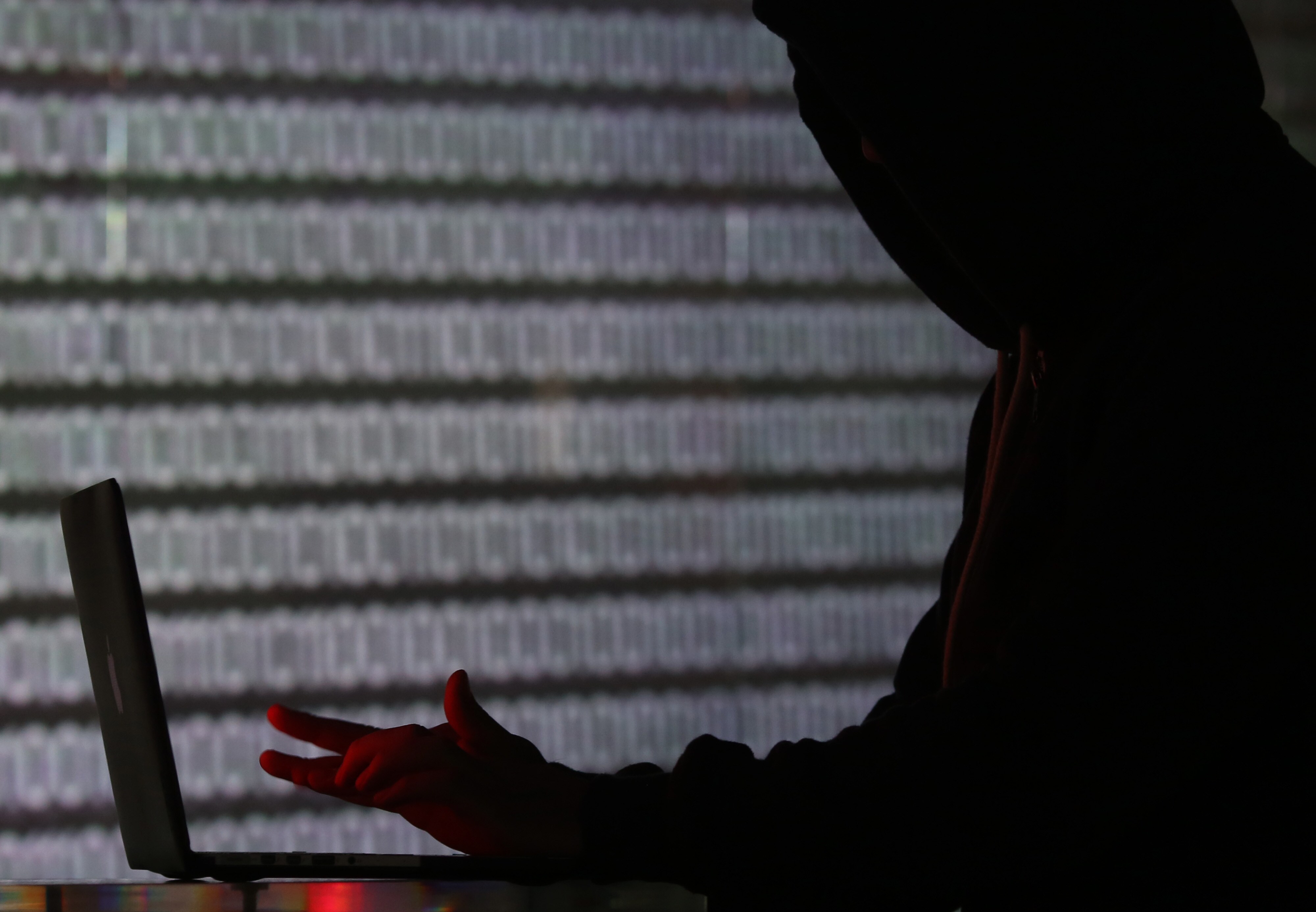
India now has its first insurance cover against cyberattacks and online abuse for individuals as internet usage grows and the government pushes to link everything from bank accounts to mobile phones with the Aadhaar biometric ID.
Bajaj Allianz General Insurance Company Ltd.'s cyber liability insurance provides cover against online and social media attacks, data breaches, identity theft, and extortion and bullying, a company statement said. A buyer should be of 18 years or more and must own a digital device like a mobile phone with access to the internet. It won't cover personal opinion, images or videos shared by a user on social or other digital media platforms.
The Cyber Safe plan will insure buyers for Rs 1 lakh to Rs 1 crore, covering legal and counselling costs, travel bills for appearing in court, compensation for a loss from data theft and data restoration refunds. The company, which has received regulatory approval, is yet to decide on other details. The premium starts from Rs 657 to Rs 8,000 plus depending on the age, internet usage and risk profile of the customer, Tapan Singhel, managing director and chief executive officer of Bajaj Allianz told BloombergQuint.
India is adding over two new internet users every second, driven by falling prices of smartphones, higher adoption of mobile devices, and the availability of telecom infrastructure that supports 3G/4G speeds, a Morgan Stanley report said. It estimates that the number of Indians with internet access will more than double to 900 million in a decade. Already, the country is the biggest market for social media giants like Facebook and WhatsApp, making users prone to data theft, abuse and trolling.
The Biggest Hurdle: Frivolous Claims
The stumbling block is low awareness in India. Insurance penetration in the country at 3.4 percent is about half the global average. And there's a high possibility of frivolous claims.
“This policy may suffer the same fate as the motor third-party insurance in India, where the claims remain pending for years as they are under litigation,” said Ashvin Parekh, insurance expert at Ashvin Parekh Advisory Services. There has to be an independent mechanism to assess loss and quantify compensation for cases of defamation, while bullying is more of a legal matter, he said.
Also Read: Regulator Curbs Fat Payouts To Auto Dealers For Motor Insurance
Other challenges would be dealing with fraudulent claims, untraceable cyber hackers and fake news, he said. The pricing of the product will also be crucial as the volume of claims will be high. Claims will pile up if they get stuck in the court,” he said.
Singhel said there is a pattern to such claims and the insurer will depend on its in-house analytical tools and expert systems to check that. “As time progresses, the companies get better at this, and this also will evolve,” he said.
Globally, similar policies are offered by the U.S.-based American International Group, Inc and Hartford Steam Boiler Inspection and Insurance Company and Britain's Hiscox.
“The amount of personal data being generated, transmitted, and stored on various digital devices is growing at an exponential rate,” said Tapan Singhel, managing director and chief executive officer. As cyberattacks and threats become more complex and prevalent, the company identified a need for cyber-insurance for individuals, he said.
(Updates an earlier version published on November 2, 2017 to add comments from the company in paras three, eight and nine)

-
One Battle After Another: India's Corporate Dynasties Battle For Control

2026 could go down as Corporate India's year of succession wars, governance battles and family fault lines.
-
Rs 50-Lakh Gold In Bank Locker, Rs 3 Lakh Of Protection: The Gap Most Families Don't Know About
The RBI ties a bank's liability to the annual locker rent and families who want to insure their jewellery face a separate question about how to prove what was inside.
-
The More Food Turns Into Fuel, The Harder It Is To Read Agricultural Markets | The Reason Why
A policy designed to reduce dependence on imported fuel can create new pressures elsewhere in the food economy.
-
Your iPhone Costs 12 Grams Of Gold, A Car About 100. What Does Your Life Weigh?
Measured in rupees, almost everything looks more expensive than it did a generation ago. Measured in grams of gold, a lot of it has become cheaper.
-
Gold Is Rs 22,000 Cheaper Than A Month Ago. Should You Buy Amid The Wedding Season?
Gold's potential slide to $3,500 could save around Rs 4,700 per 10 grams, but a soft inflation print could just as easily push prices back up. One way to split the risk is to buy in parts, some now and the rest after the Fed's Dec. 9 decision.
-
AI Agents Are Gaining Power. Who Governs Them?
Artificial intelligence agents promise to transform productivity by moving machines from assisting decisions to executing them. But as organisations delegate greater authority to these AI-agents, they must first establish who controls that authority and who remains accountable when things go wrong.
-
Why Swapping Your Old Gold Can Trigger A Rs 5 Lakh Tax Bill, And How You Can Avoid It Legally
Swapping old gold for new is taxed as a sale and a fresh purchase. Getting your own gold remade can cut most of that bill, though it has its own costs.
-
The AI Trade is Done. The Real Opportunity for Investors Starts in 2027 | Unhedged Position
As pureplay AI stocks plunge and circular, capex-led financing unwinds, 2027 is set to be a year of reckoning for AI companies. Yet the bust clears the way for a better opportunity for investors in 2027 -- shifting the spotlight from AI builders to the companies using AI.
-
Leadership As Mission: Why The Age Of AI Demands More Human Leadership
Debjani Ghosh examines how AI is changing leadership, arguing that its success must be measured by its impact on people and the accountability of those guiding its use.
-
We May Need Another Tukaram Mundhe To Fight Air Pollution | The Reason Why
Developers may install basic measures such as sprinklers and green nets, resume work, and continue violating rules when this equipment stops working.









