Note Ban, Jan Dhan Yojana, GST, Mega Bank Mergers: A Recap Of Key Turning Points In 2010s
India is at the cusp of 2020s and it is time to look back at the bygone decade. Ten years is a long time in the economic and corporate history of a nation, and the past ten years in India have been no different. An array of developments, ranging from GST and demonetisation to corporate tax and banking reforms, has transformed the economic landscape of the country.
Here are some noteworthy economic turning points from 2010:
Goods and Service Tax (GST)
Prime Minister Narendra Modi rolled out the landmark Goods and Service Tax (GST) Bill at a midnight session of Parliament on June 30, 2017. GST is a single tax on the supply of goods and services right from the manufacturer to consumer and is taxed at destination. PM Modi termed the unified tax system as 'one nation one tax' and President Pranab Mukherjee said it was "the culmination of a 14-year long journey". GST replaced a plethora of central taxes and it is still a work in progress, with the GST council having met 38 times till date to streamline the working of this indirect tax legislation.
Demonetisation
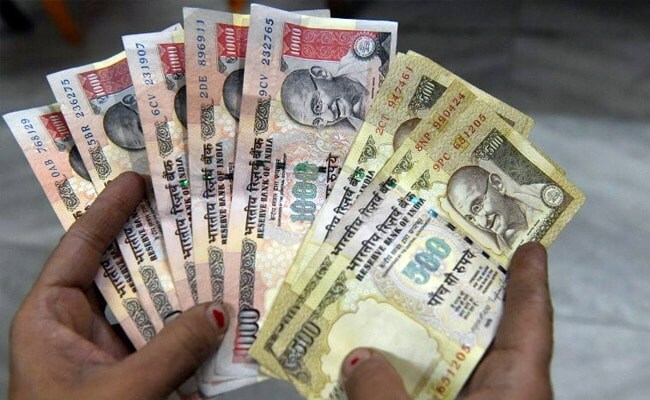
In a surprise move on November 8, 2016, Prime Minister Narendra Modi launched the demonetisation exercise with the objective of curbing the black economy. The government announced a ban on Rs 500 and Rs 1,000 notes and introduced new denomination of Rs 2,000 notes with immediate effect. The government also announced deadline of December 30 to deposit old currency notes in banks. The overnight outlawing of 86 per cent of currency left the country 'cashless.' ATMs dried up and banks were flooded with defunct currency notes in the immediate aftermath of demonetisation. The situation normalized gradually over a period of time.
PM Modi used the cash squeeze window to promote the idea of a 'Digital India'. He pushed hard for a cashless society and widespread usage of e-wallets such as Paytm, RuPay cards and MobiKwik.
Corporate Tax Reforms
On September 21, 2019, Finance Minister Nirmala Sitharaman slashed effective corporate tax, inclusive of all cess and surcharges, for domestic companies from 30 percent to 22 percent without exemptions. With surcharge and cess, the new rate works out to around 25.17 percent. The new tax rate will be applicable from the current fiscal beginning April 1, Ms Sitharaman announced. The Centre also laid down a lower tax rate of 15 per cent for domestic firms incorporated on or after October 1, 2019 in an effort to encourage fresh investments in the manufacturing sector. This move on corporate tax front will put India on par with other Asian nations.
Bank Consolidation
In February 2017, The Narendra Modi-led government announced the merger of State Bank of India with five associate banks with the purpose of bringing about efficiency in functioning of PSU banks. The associate banks were State Bank of Bikaner and Jaipur (SBBJ), State Bank of Mysore (SBM), State Bank of Travancore (SBT), State Bank of Hyderabad (SBH) and State Bank of Patiala (SBP). This merger became effective as on the record date of April 1, 2017.
In the second instance of its kind, on August 30, 2019, the government announced the consolidation of 10 state-run banks into four large-scale lenders. As per the scheme of amalgamation, Punjab National Bank, Oriental Bank of Commerce and United Bank will merge to form the country's second largest public sector bank, the Canara Bank will join Syndicate Bank; Union Bank of India, Andhra Bank and Corporation Bank will be merged together, and Indian Bank will merge with Allahabad Bank. These mergers were conceived with the aim of strengthening the financial system in the country.
Insolvency and Bankruptcy Code, 2016 (IBC)
The Insolvency and Bankruptcy Code, 2016 (IBC) came into force in December 2016. The code seeks to consolidate and amend laws relating to re-organisation and insolvency of corporate persons, partnership firms and individuals in a time-bound manner. Under the new law, employees, creditors and shareholders will have powers to initiate winding-up process at the first sign of financial stress such as serious default in bank loan repayments.
Real Estate Regulation and Development Act (RERA)
The Real Estate Regulation and Development Act (RERA) came into force on May 1, 2016. The act is primarily aimed at introducing transparency in the hitherto unregulated sector. The act makes it mandatory for real estate projects, including commercial and residential, to register with Real Estate Regulatory Authority (RERA) for transparent execution and carries a penalty for non-compliance. A real estate developer who fails to register a property will attract a hefty penalty up to 10 per cent of the project cost and a repeat offence could lead to a jail term.
Jan Dhan Yojana
Prime Minister Narendra Modi launched the Pradhan Mantri Jan Dhan Yojana (PMJDY) on August 28, 2014, with the objective of taking banking to the door-step of every Indian. PMJDY is meant to provide affordable access to banking services such as savings and deposits. The scheme allowed every Indian to open a bank account in any bank branch or with a Business Correspondent (Bank Mitra) outlet with zero balance. However, to get a cheque book, an account holder would have to fulfill minimum balance criteria.

-
Indians Are Travelling, But Not Every Journey Is A Holiday | The Week In Whys

Pilgrims, patients and working women are the real travellers, and the system hasn't quite caught up with them.
-
Getting To Work Costs Women More | The Reason Why
It is not just about women paying more than men. It is about women paying much more in cities than in villages.
-
AI Bias In Investing Cannot Be Eliminated, But It Can Be Governed
Framing is a particularly important example as identical financial information presented in terms of gains rather than losses can lead an LLM to reach a different assessment.
-
Joining The Dots | Dark Skies, Steady Diya: Why Hope Holds This Diwali
With war, a weak rupee and foreign outflows weighing on sentiment, policymakers at the NDTV World Summit and market veterans at NDTV Profit Ignite: Diwali Edition offered the same advice: stay invested and filter out the noise.
-
The Curious Case of Equitas Small Finance Bank And A CEO Who Quit For Stock
PN Vasudevan believes persistent investor concerns over a perceived conflict of interest had become a governance overhang on Equitas Small Finance Bank's stock, even as the lender improved profitability and asset quality.
-
Talking Points This Week: AI Cash Burn, A Tiger Comeback And An India That Still Finds Its Own Path
India is not immune to higher oil or tighter global liquidity, yet its earnings base is broader, its domestic policy levers are still available.
-
Foreign Investors Own Half Of HDFC Bank and ICICI Bank. An LTCG Cut Could Matter Most Here
Foreign portfolio investors have US$115 billion parked in HDFC Bank, ICICI Bank. If the government cuts long-term capital gains tax, Jefferies says returning foreign money could land here first.
-
'Never Seen This Level Of Negativity': Sandeep Tandon Says The Next Rally May Be Closer Than You Think
Veteran investor Sandeep Tandon says foreign selling is easing, large-caps are due a comeback and mid-caps are crowded, while he turns positive on gold, power and pharma this Diwali.
-
Indians Stay With Family, Not In Hotels | The Reason Why
India still lacks enough clean, reliable and affordable hotels for budget-conscious travellers.
-
The Economic Imperative: Analysing The Material Driving Force Behind India-Canada Strategic Reset
This economic complementarity is further reinforced by deep institutional investment ties and talent mobility, which form the bedrock of the bilateral framework.










