What Are Non-Fungible Tokens Or NFTs? All You Need To Know
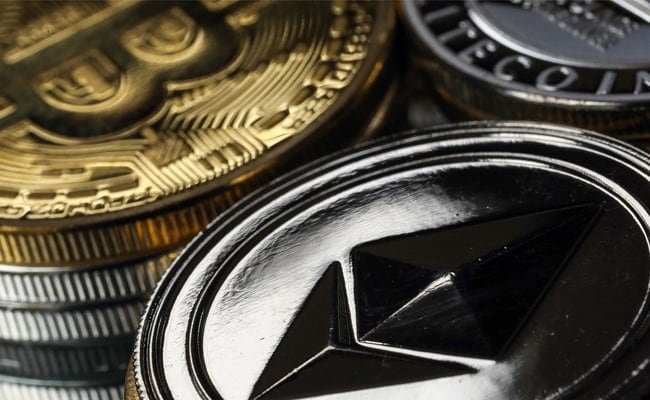
Non-fungible tokens (NFTs), a type of digital asset, have exploded in popularity this year, with NFT artworks selling for millions of dollars.
The trend is perplexing those who might wonder why so much money is being spent on items that only exist in digital form and can be viewed by anyone for free. Supporters view NFTs as the next phase in art collection.
What is an NFT?
An NFT is a digital asset that exists on a blockchain, a record of transactions kept on networked computers. The blockchain serves as a public ledger, allowing anyone to verify the NFT's authenticity and who owns it.
So unlike most digital items which can be endlessly reproduced, each NFT has a unique digital signature, meaning it is one of a kind.
NFTs are usually bought with cryptocurrencies or in dollars and the blockchain keeps a record of transactions. While anyone can view the NFT, only the buyer has the status of being the official owner – a kind of digital bragging rights.
Buying an NFT of an image or video does not normally mean the buyer gets the copyright of the underlying item.
What kind of NFTs exist?
All kinds of digital objects – images, videos, music, text and even tweets – can be bought and sold as NFTs.
Digital art has seen some of the most high-profile sales, while in sports, fans can collect and trade NFTs relating to a particular player or team.
For instance, on the National Basketball Association Top Shot platform, enthusiasts can buy collectible NFTs in the form of video highlights of moments from games.
While these highlights can be seen for free on other platforms such as YouTube, people are buying the status as the owner of a particular NFT, which is unique due to the digital signature.
NFTs can also be patches of land in virtual world environments, digital clothing, or exclusive use of a cryptocurrency wallet name.
The first tweet from Twitter boss Jack Dorsey – "just setting up my twttr" – sold for $2.9 million as an NFT in March.
How much has the market grown?
Traded since around 2017, NFTs surged in popularity in early 2021, then had another explosive jump around August.
Sales volumes surged to $10.7 billion in the third quarter of 2021, according to data from market tracker DappRadar. This was up more than eightfold from the previous quarter.
On the biggest NFT marketplace, OpenSea, there were $2.6 billion of sales in October this year, a massive increase from the $4.8 million in October 2020.
Why have NFTs surged?
Some attribute the frenzy to lockdowns forcing people to spend more time at home on the internet.
NFTs are seen as a way to have possessions in online and virtual environments, which can communicate social status and personal taste – for some people, it is the digital equivalent of buying an expensive pair of sneakers.
For others, the lure lies in rapidly rising prices and the prospect of big returns. Some buyers "flip" NFTs, selling them on within a few days or even hours for profit.
The recent price gains in cryptocurrencies such as bitcoin, which rose around 300% in 2020, have also created a new group of crypto-rich investors, who spend their cryptocurrencies on NFTs.
Why are NFTs important?
Enthusiasts see NFTs as the future of ownership. All kinds of property – from event tickets to houses – will eventually have their ownership status tokenised in this way, they believe.
For artists, NFTs could solve the problem of how they can monetise digital artworks. They can receive more income from NFTs, as they can get a royalty each time the NFT changes hands after the initial sale.
NFTs could also transform music, sports and gaming, NFTs' proponents say.
What are the risks?
Like cryptocurrencies, NFTs are largely unregulated. Anybody can create and sell an NFT and there is no guarantee of its value. Losses can stack up if the hype dies down.
In a market where many participants use pseudonyms, fraud and scams are also a risk.

-
We May Need Another Tukaram Mundhe To Fight Air Pollution | The Reason Why

Developers may install basic measures such as sprinklers and green nets, resume work, and continue violating rules when this equipment stops working.
-
Extracting Value From Battery Scrap Could Be Challenging For India | The Reason Why
A discarded lithium-ion battery still contains valuable materials such as lithium, nickel and cobalt. These can be recovered and reused. When such batteries are crushed and shredded, they produce a dark powder called black mass.
-
One El Nino, India Can Handle. Two Could Break The Granary
India's grain stocks can absorb one bad year, but a second El Nino could drain the buffer in two to three years, economists say.
-
India's Troika Of Good Luck | Joining The Dots
As Jensen Huang's exit drags Nvidia down, a cooling AI trade and resilient earnings have revived investor interest in India. A likely RBI rate hike looms.
-
Talking Points This Week: Leadership Shock At Nvidia, Earnings Strength, And The Fog Over Hormuz
The Anthropic IPO pricing and first trading day, Nvidia's upcoming earnings, and any fresh signals from Iran will set the tone for the following week.
-
Signature Play: The Classic Cocktail Is Dead. Or Is It?
Classic cocktails are disappearing from India's cocktail menus. But they're still being ordered, taught to bartenders and borrowed from. So, who's really having the last drink?
-
A New Samvat Wishlist: Inclusive Prosperity And Human Development
India has strengthened its economic foundations through infrastructure, digital access and enterprise. Its next growth chapter must deepen productivity, create better livelihoods and widen participation in prosperity.
-
Love, Sex Aur Dhokha: The Audacious Plot To Spy On Jensen Huang
A Taipei dinner, a Singapore chip buyer and a suspected Chinese asset: inside the alleged spy operation that got close to NVIDIA's Jensen Huang.
-
Ten Things I Learnt This Samvat
Patience can be a trap. Cheap stocks can stay cheap. Leverage can wipe you out. What did Samvat 2082 teach us? Niraj Shah writes on 10 lessons from the year gone by.
-
Talking Points This Week: Tech Nerves, FII Buying, And A Faraway Banking Shock
The global markets are not shining this Diwali. The exception in the large markets is, India.









