No More Light-Touch Regulation For NBFCs, Says RBI Governor Das
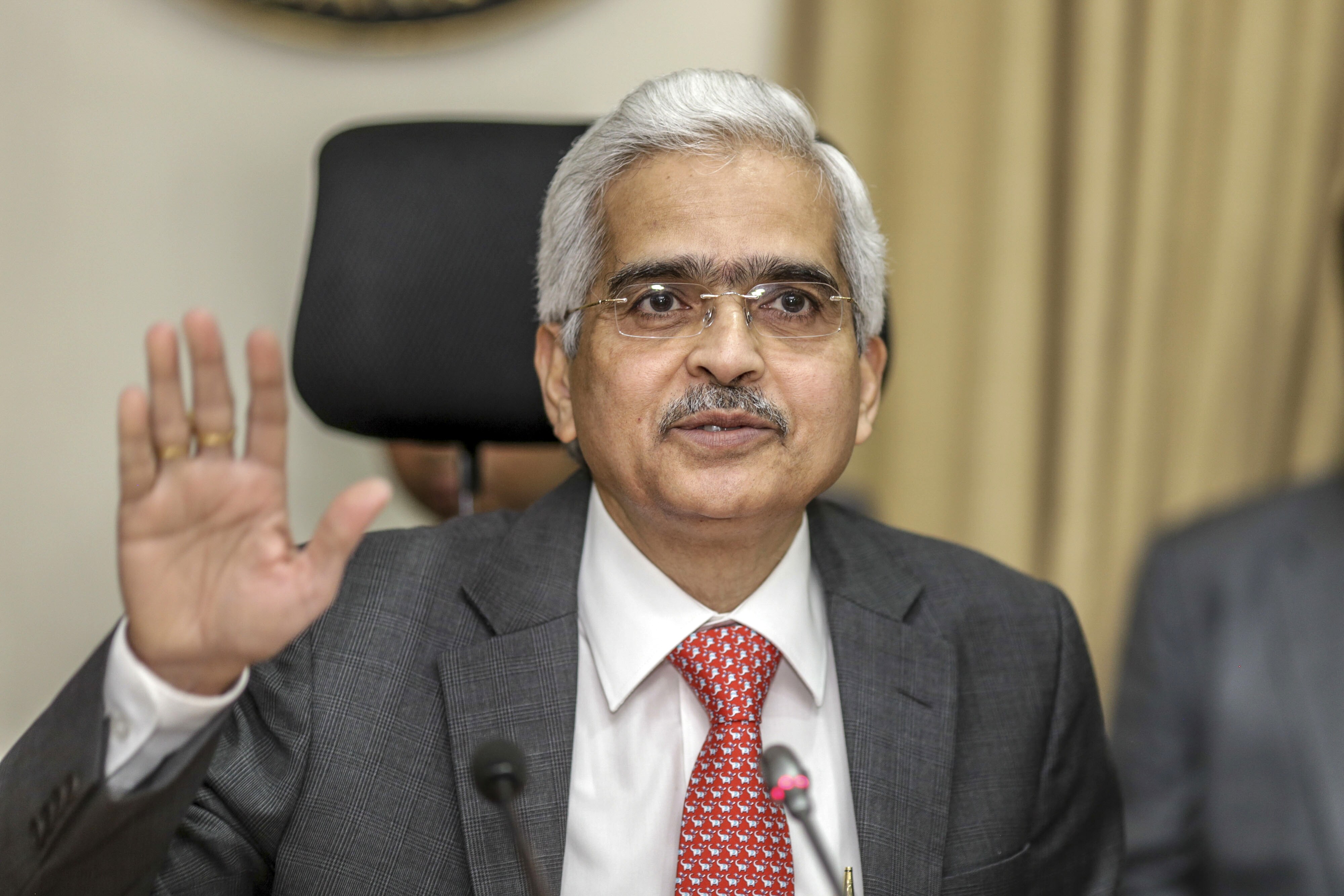
The era of ‘light-touch' regulation for non-banking lenders may be over, according to Reserve Bank of India Governor Shaktikanta Das.
Das, in his address at the 15th convocation of National Institute of Bank Management in Pune, said the central bank will continue to monitor the NBFC sector's activity and performance with focus on major entities and their interlinkages with other sectors. “It's our endeavour to have an optimal level of regulation and supervision so that the NBFC sector is financially resilient and robust,” he said. “We'll not hesitate to take any required steps to maintain financial stability in the short, medium and long term.”
While lending from banks has dried up for non-bank financial companies and borrowing costs in money markets have risen, Das said that the situation has improved. “Market confidence somewhat resurfaced in the last quarter of 2018-19 as the major sources of funding registered a recovery.”
The central bank, Das said, will introduce an institutionalised arrangement for periodic interaction with all stakeholders, including statutory auditors, credit rating agencies and banks having large exposures to NBFCs.
This fifth pillar of supervision, according to Das, will be in addition to existing supervisory functions that include on-site examination, off-site surveillance, market intelligence and annual reports of statutory auditors. As part of these initiatives, the governor said that the central bank will implement a comprehensive information technology framework for strengthening off-site surveillance of NBFCs.
The RBI has attempted to restore calm and stability to the sector since last September by issuing relaxed norms for NBFCs to securitise their loan books, he said. The central bank, according to Das, has also allowed lenders to provide partial credit enhancement to bonds issued by the systemically important non-deposit taking NBFCs and housing finance companies.
Guidelines On Liquidity Risk Management
The central bank, Das said, will issue final guidelines on liquidity risk management framework for NBFCs. “The objective is to harmonise the liquidity norms between banks and NBFCs.”
The RBI has already reduced periodicity of NBFC supervision to 12 months from 18 months earlier to better supervise the sector, he said.
Stressed Assets: Guidelines To Improve Credit Culture
The RBI governor said the revised guidelines to deal with stressed assets will sustain improvement in credit culture as it provides for additional provisioning and “strong disincentives” like additional provisioning for delay in initiation of resolution or insolvency proceedings against a corporate debtor.
The RBI last week issued a revised stressed asset resolution framework after the Supreme Court struck down its Feb. 12 circular on the same.
The central bank, he said, will issue directions to banks to initiate proceedings under the Insolvency and Bankruptcy Code against borrowers for specific defaults “so that the momentum towards effective resolution remains uncompromised.”
The new framework, according to Das, will go a long way in promoting a strong and resilient financial system in India.
Other Key Highlights:
- To come up with draft guidelines by 2020 on latest Basel committee reforms.
- Need to further streamline appointment process, succession planning and compensation to improve public-sector bank governance.
- Government, the Banks Board Bureau and RBI are developing framework for performance evaluation of state-run lenders.
- Growth of digital payments necessitates that data protection and cyber security norms need to be continuously strengthened.
- Examining structure, functions and the regulatory guidelines for umbrella organisation for urban cooperative banks.
- In the process of issuing guidelines for urban cooperative banks to conduct banking business professionally.
- Putting in place voluntary merger mechanism for urban cooperative banks; centralised fraud registry soon.

-
Foreign Investors Own Half Of HDFC Bank and ICICI Bank. An LTCG Cut Could Matter Most Here

Foreign portfolio investors have US$115 billion parked in HDFC Bank, ICICI Bank. If the government cuts long-term capital gains tax, Jefferies says returning foreign money could land here first.
-
'Never Seen This Level Of Negativity': Sandeep Tandon Says The Next Rally May Be Closer Than You Think
Veteran investor Sandeep Tandon says foreign selling is easing, large-caps are due a comeback and mid-caps are crowded, while he turns positive on gold, power and pharma this Diwali.
-
Indians Stay With Family, Not In Hotels | The Reason Why
India still lacks enough clean, reliable and affordable hotels for budget-conscious travellers.
-
The Economic Imperative: Analysing The Material Driving Force Behind India-Canada Strategic Reset
This economic complementarity is further reinforced by deep institutional investment ties and talent mobility, which form the bedrock of the bilateral framework.
-
Medicine Pricing: Where Must Profit Stop?
India must confront excessive margins, hidden incentives and regulatory gaps that threaten the integrity of medicine.
-
Why Amazon And Flipkart Are Struggling To Beat Meesho In India's Smaller Cities
With 274 million users and lowest-cost logistics, Meesho is defending its value commerce crown against giants like Amazon and Flipkart.
-
High US Salaries, No Green Card Certainty: The Financial Calculation Facing Indian H-1B Families
The suspension of PERM processing at eight technology employers does not cancel existing H-1B visas. What it does is force a question many Indian families have been avoiding: is the US salary worth tying your career and family plans to one employer?
-
Swiggy vs Eternal: Food Delivery's Two Rivals Are No Longer In The Same Race
Eternal is building a private AI assistant, dark.ai. Swiggy is still working out how to make Instamart pay, with an operating loss of Rs 895 crore in the July-September quarter while Blinkit stayed profitable.
-
Where You Live Shapes How You Get To Work | The Reason Why
Two-wheelers are the most popular way to get to work in India, accounting for nearly 43% of workplace commutes.
-
Unhedged Position: Can India See An Indonesia-Style Time Correction?
The Nifty is trading below levels it first clocked in 2024. Is there, then, as I have suggested in the headline, potential that the current time correction drags on painfully for the next three-five, even ten years?










