One Layer Less To Get Building Approvals
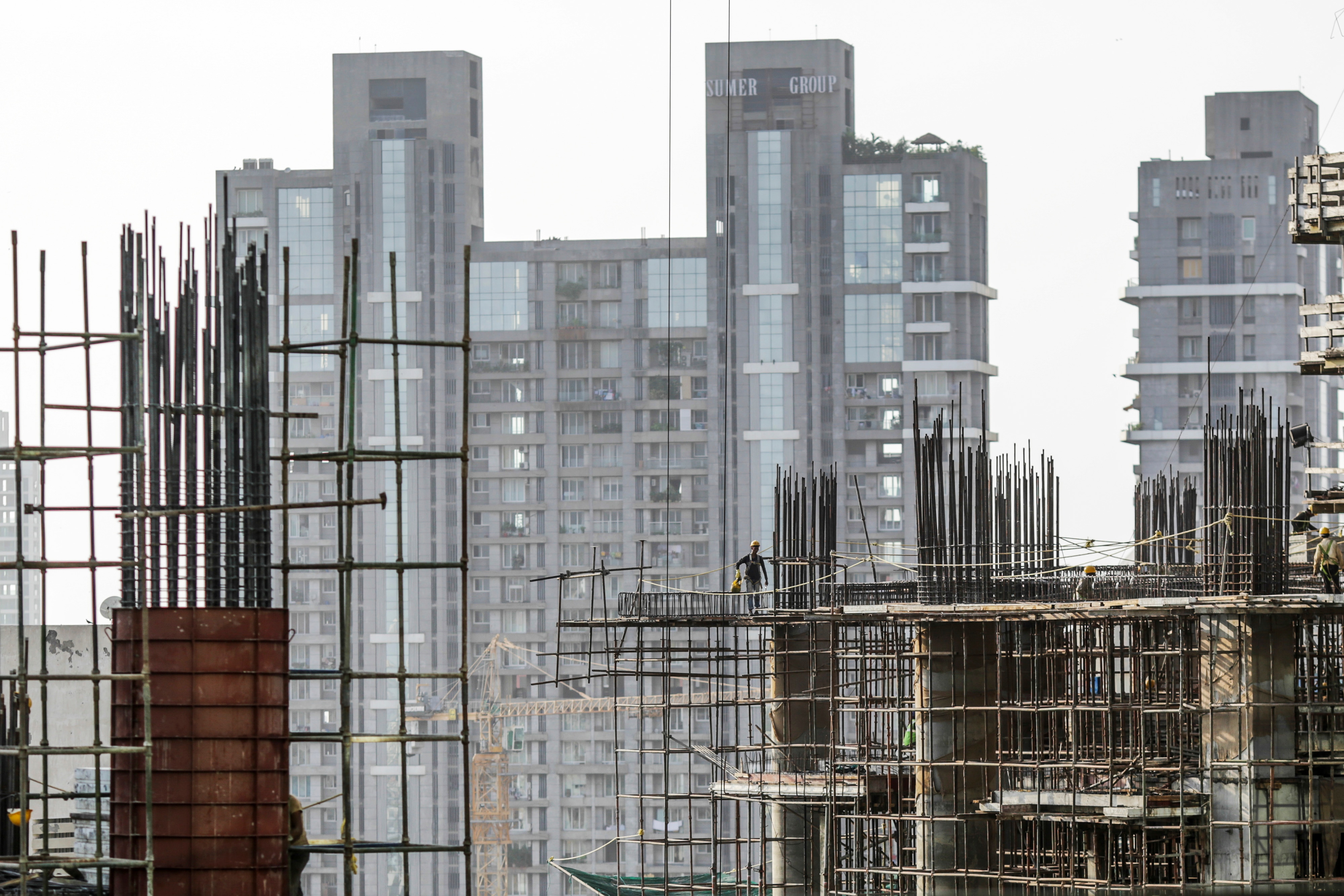
The government has removed one layer of bureaucratic involvement for property developers by easing environmental approvals in a move that may fast-track real estate projects.
All projects with a built-up area of up to 1.5 lakh square metres will be cleared by civic authorities instead of the Union Ministry of Environment, Forest and Climate Change, according to a central government notification in June. Municipal corporations will have to set up committees to ensure developers adhere to the environmental norms. The central government's directive was notified by Maharashtra on July 11.
It will reduce one bureaucratic level and improve the turnaround time, said Rajan Bandelkar, vice president, Maharashtra, National Real Estate Development Council. Earlier, environmental permissions used to take up to two years, he said.
India ranks 130 in World Bank's Ease of Doing Business Index, and fares even worse at 185 on ‘dealing with construction permits'. Prime Minister Narendra Modi's government aims to improve the rankings by reducing and fast-tracking approvals.
Developers Expect Faster Approval
It is a long-awaited move as customers were facing the brunt, said Kaizad Hateria, brand custodian and chief customer delight officer, at Rustomjee Group, a Mumbai-based developer.
Developers are still expected to comply with energy efficient technology, waste segregation, rainwater harvesting and tree plantation norms. Yet, they expect time for approvals to come down.
“This (the decision) will lower the cost of carrying material which can eventually bring down the prices,” Rohit Poddar, managing director, Mumbai-based Poddar Developers, said. These costs include inventory, rent, utilities, and labour.
Nobody is diluting environmental norms and the idea is to create more housing stock that will boost construction of affordable homes, said Poddar.
Projects with flats of built-up area of up to 30 square metres in four metros and 60 square metres in other cities are eligible under affordable housing benefits like subsidised loan rates.
Faster environmental approvals will help affordable housing as a shorter construction period will bring down costs, said Aniket Havare, director, Haware Engineers and Builders.
Environmentalists Raise Concerns
Environmentalists are worried.
“There is a risk of norms getting diluted. The way our bureaucracy functions, there is redtapism because of which the approvals could be given without proper review,” said Pramod Dabrase, environmental scientist and policy maker at Centre for Sustainable Environment and Development Initiatives. The challenge is to test the capacity of local corporations and their preparedness to carry this out, he said.
Stalin Dayanand of Mumbai-based non-government organisation Vanashakti Group far more blunt. Whatever remains of the environment and its biodiversity could get destroyed, he said. He fears nepotism and cronyism at the local committees that will eventually clear projects.

-
Getting To Work Costs Women More | The Reason Why

It is not just about women paying more than men. It is about women paying much more in cities than in villages.
-
AI Bias In Investing Cannot Be Eliminated, But It Can Be Governed
Framing is a particularly important example as identical financial information presented in terms of gains rather than losses can lead an LLM to reach a different assessment.
-
Joining The Dots | Dark Skies, Steady Diya: Why Hope Holds This Diwali
With war, a weak rupee and foreign outflows weighing on sentiment, policymakers at the NDTV World Summit and market veterans at NDTV Profit Ignite: Diwali Edition offered the same advice: stay invested and filter out the noise.
-
The Curious Case of Equitas Small Finance Bank And A CEO Who Quit For Stock
PN Vasudevan believes persistent investor concerns over a perceived conflict of interest had become a governance overhang on Equitas Small Finance Bank's stock, even as the lender improved profitability and asset quality.
-
Talking Points This Week: AI Cash Burn, A Tiger Comeback And An India That Still Finds Its Own Path
India is not immune to higher oil or tighter global liquidity, yet its earnings base is broader, its domestic policy levers are still available.
-
Foreign Investors Own Half Of HDFC Bank and ICICI Bank. An LTCG Cut Could Matter Most Here
Foreign portfolio investors have US$115 billion parked in HDFC Bank, ICICI Bank. If the government cuts long-term capital gains tax, Jefferies says returning foreign money could land here first.
-
'Never Seen This Level Of Negativity': Sandeep Tandon Says The Next Rally May Be Closer Than You Think
Veteran investor Sandeep Tandon says foreign selling is easing, large-caps are due a comeback and mid-caps are crowded, while he turns positive on gold, power and pharma this Diwali.
-
Indians Stay With Family, Not In Hotels | The Reason Why
India still lacks enough clean, reliable and affordable hotels for budget-conscious travellers.
-
The Economic Imperative: Analysing The Material Driving Force Behind India-Canada Strategic Reset
This economic complementarity is further reinforced by deep institutional investment ties and talent mobility, which form the bedrock of the bilateral framework.
-
Medicine Pricing: Where Must Profit Stop?
India must confront excessive margins, hidden incentives and regulatory gaps that threaten the integrity of medicine.










