What Are Non-Fungible Tokens, And How Do They Work? Find Out Here
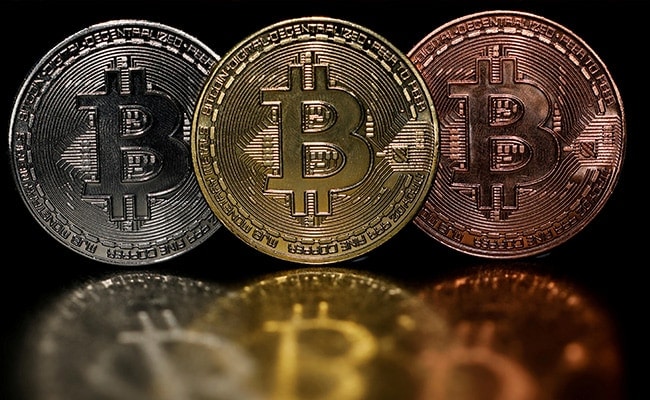
The phenomenal rise of cryptocurrency has opened up an era of possibilities. And NFTs, or non-fungible tokens, are riding on the crest of this new technology. From art to music and pixelated images to toilet paper, these digital assets are selling like the proverbial hotcakes, some of them for millions of dollars. The basis for this craze for NFTs is their uniqueness – that is they cannot be replaced like-for-like. For example, Bitcoin is not an NFT. But a one-of-a-kind piece of art is non-fungible. You cannot replace it. If you trade it with another piece of art you will have something completely different.
What Is NFT?
The word “non-fungible” means one of a kind. NFTs are digital assets that represent real-world objects like music, art, digital avatars or images, videos, or any other collectible items but cannot be duplicated. They are backed by blockchain technology. The NFTs are sold online, frequently for crypto coins, and are encoded. They have been around since 2014 but have gained popularity only now. Recently, a set of 101 Bored Ape Yacht Club NFT was sold for $24.4 million (roughly Rs. 179 crore) at Sotheby's auction house.
If all that an NFT signifies is a digital asset, meaning intangible, why are people spending millions on it? They spend so much because an NFT allows the buyer to own the original item. Also, it contains a built-in authentication, which is the proof of ownership for the buyer. Most collectors value these “digital rights” more than the item itself.
NFT vs Cryptocurrency
While an NFT is built with the same technology as cryptocurrency, like Bitcoin or Ethereum, the similarity ends there. Cryptocurrencies can be traded for one another and are equal in value, that is one rupee will always be worth another rupee and one Bitcoin will always be worth another Bitcoin, irrespective of their price fluctuations with respect to other similar currencies.
NFTs are different. Each NFT (virtual asset) has a digital signature, via encoding, which makes it impossible to be exactly replicated.

-
Extracting Value From Battery Scrap Could Be Challenging For India | The Reason Why

A discarded lithium-ion battery still contains valuable materials such as lithium, nickel and cobalt. These can be recovered and reused. When such batteries are crushed and shredded, they produce a dark powder called black mass.
-
One El Nino, India Can Handle. Two Could Break The Granary
India's grain stocks can absorb one bad year, but a second El Nino could drain the buffer in two to three years, economists say.
-
India's Troika Of Good Luck | Joining The Dots
As Jensen Huang's exit drags Nvidia down, a cooling AI trade and resilient earnings have revived investor interest in India. A likely RBI rate hike looms.
-
Talking Points This Week: Leadership Shock At Nvidia, Earnings Strength, And The Fog Over Hormuz
The Anthropic IPO pricing and first trading day, Nvidia's upcoming earnings, and any fresh signals from Iran will set the tone for the following week.
-
Signature Play: The Classic Cocktail Is Dead. Or Is It?
Classic cocktails are disappearing from India's cocktail menus. But they're still being ordered, taught to bartenders and borrowed from. So, who's really having the last drink?
-
A New Samvat Wishlist: Inclusive Prosperity And Human Development
India has strengthened its economic foundations through infrastructure, digital access and enterprise. Its next growth chapter must deepen productivity, create better livelihoods and widen participation in prosperity.
-
Love, Sex Aur Dhokha: The Audacious Plot To Spy On Jensen Huang
A Taipei dinner, a Singapore chip buyer and a suspected Chinese asset: inside the alleged spy operation that got close to NVIDIA's Jensen Huang.
-
Ten Things I Learnt This Samvat
Patience can be a trap. Cheap stocks can stay cheap. Leverage can wipe you out. What did Samvat 2082 teach us? Niraj Shah writes on 10 lessons from the year gone by.
-
Talking Points This Week: Tech Nerves, FII Buying, And A Faraway Banking Shock
The global markets are not shining this Diwali. The exception in the large markets is, India.
-
Midterm Rally Lasted A Day. The Hard Reality Of A Divided US May Last Two Years | Opinion
Between a contested AI boom, a debt ceiling that arrives in 2027 and a president with every incentive to act alone, the next two years may prove more volatile than the first day's rally suggests.









