New EV Charging Norms: No Licence To Set Up Public Stations, Government To Offer Land
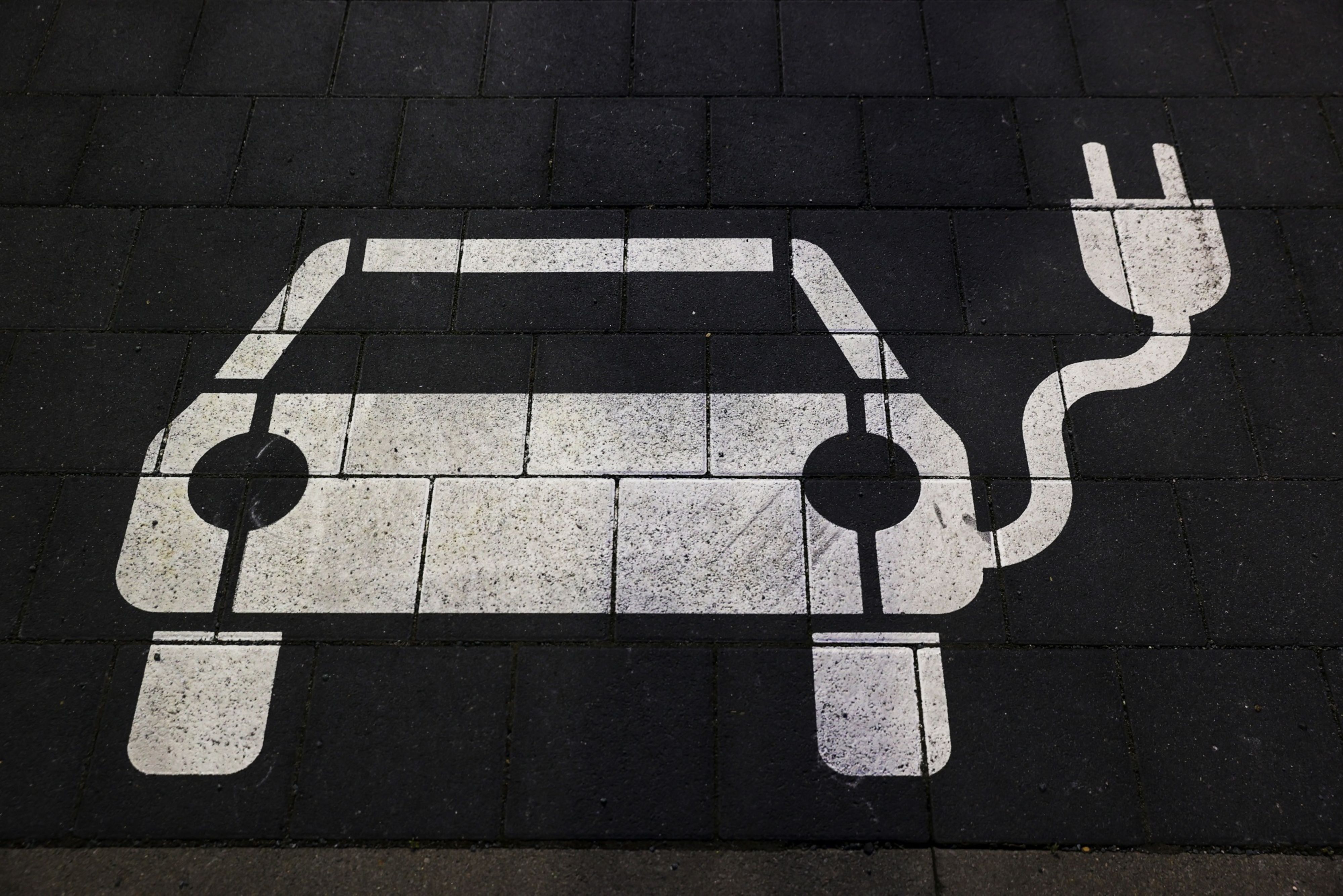
India allowed operators to set up public charging stations for electric vehicles without a licence and will provide land on a revenue-sharing model as the nation looks to build an ecosystem for battery-powered mobility and curb one of the world's worst air pollution.
State government will fix tariff for charging stations under the new consolidated rules promulgated by the Ministry of Power, according to a government statement. Individual owners can now charge their vehicles at home using existing electricity connections.
The guidelines replace October 2019 norms and amendments made in June 2020.
The revised norms encourage shift towards cleaner transport when automakers including Tata Motors Ltd., Mahindra and Mahindra Ltd. and Hyundai Motors India Ltd. have committed investments in electric vehicles. It's part of a larger plan to curb import of fossil fuels and clean up toxic air in Indian cities, some of which rank among places with the worst air pollution.
No Licence Needed To Set Up Charging Stations
The government has allowed any individual or entity to set up public charging stations without the need for a licence. The only requirement to be satisfied is that such stations adhere to the norms and guidelines set by the authorities.
Public Land For Charging Stations
Public land will be made available for charging infrastructure under two models:
Land available with the government and public entities will be provided to public or government entities to set up charging stations. The operators will pay a fixed rate of Re 1 per kilowatt hour to the land-owning agency on a quarterly basis.
The guidelines also allow a revenue-sharing model for providing government land for setting up these stations to both public and private entities at a floor price of Re 1 per kilowatt hour.
States To Fix Service Charge Ceiling
The electricity supply tariff for charging stations will be a single part tariff no exceeding the average cost of supply till March 31, 2025. The charging stations have been granted freedom to obtain electricity from any power generation company.
As electricity is being provided at concessional rates and also considering that subsidy is being provided by the central and states for setting up charging stations, the state government shall fix the ceiling of service charges levied to consumers.
A Least One Charging Station In 3x3-Km Grid
The government aims to cover all cities with a population of more than four million with charging infrastructure within three years. That includes existing expressways and important highways connected to these cities.
The guidelines target at least one charging station in a grid of 3x3 kilometres, and at every 25km on both sides of highways. And it plans one fast charging-station every 100 km for long-range or heavy vehicles including buses and trucks.
The Bureau of Energy Efficiency will be the central nodal agency for the rollout of the charging infrastrcuture. All relevant agencies including Central Electricity Authority will provide necessary support.
States are required to nominate a nodal agency each. The guidelines recommend that the state discom should generally be the nodal agency but has given them the freedom to select any central or state public sector undertakings, including urban local bodies.

-
One El Nino, India Can Handle. Two Could Break The Granary

India's grain stocks can absorb one bad year, but a second El Nino could drain the buffer in two to three years, economists say.
-
India's Troika Of Good Luck | Joining The Dots
As Jensen Huang's exit drags Nvidia down, a cooling AI trade and resilient earnings have revived investor interest in India. A likely RBI rate hike looms.
-
Talking Points This Week: Leadership Shock At Nvidia, Earnings Strength, And The Fog Over Hormuz
The Anthropic IPO pricing and first trading day, Nvidia's upcoming earnings, and any fresh signals from Iran will set the tone for the following week.
-
Signature Play: The Classic Cocktail Is Dead. Or Is It?
Classic cocktails are disappearing from India's cocktail menus. But they're still being ordered, taught to bartenders and borrowed from. So, who's really having the last drink?
-
A New Samvat Wishlist: Inclusive Prosperity And Human Development
India has strengthened its economic foundations through infrastructure, digital access and enterprise. Its next growth chapter must deepen productivity, create better livelihoods and widen participation in prosperity.
-
Love, Sex Aur Dhokha: The Audacious Plot To Spy On Jensen Huang
A Taipei dinner, a Singapore chip buyer and a suspected Chinese asset: inside the alleged spy operation that got close to NVIDIA's Jensen Huang.
-
Ten Things I Learnt This Samvat
Patience can be a trap. Cheap stocks can stay cheap. Leverage can wipe you out. What did Samvat 2082 teach us? Niraj Shah writes on 10 lessons from the year gone by.
-
Talking Points This Week: Tech Nerves, FII Buying, And A Faraway Banking Shock
The global markets are not shining this Diwali. The exception in the large markets is, India.
-
Midterm Rally Lasted A Day. The Hard Reality Of A Divided US May Last Two Years | Opinion
Between a contested AI boom, a debt ceiling that arrives in 2027 and a president with every incentive to act alone, the next two years may prove more volatile than the first day's rally suggests.
-
Blue Wave Will Derail the AI Trade but Won't Dismantle the AI Era | Unhedged Position
The Democrats' sweep of the US Congress will see politics collide with economic forces both over the long and short term.









