Nestle Crosses Rs 10,000 Crore Sales Mark In 2017
Nestle India today said it crossed the Rs 10,000 crore sales mark in 2017, joining a select group of publicly listed FMCG companies in the country which have crossed the milestone.
The company, which has been in India for 105 years, said it was able to achieve the feat last year despite having to “adapt to significant changes in the external environment”.
Commenting on the annual results, Nestle India CMD Suresh Narayanan said: “It is extremely pleasing that we ended 2017 on a strong note by reaching a historic milestone of over Rs 10,000 crore in revenue, in a year where we had to adapt to significant changes in the external environment”.
Nestle India, which follows January-December period as its fiscal year, recorded total sales of Rs 10,135.11 crore last year, up 7.71 percent from Rs 9,409.60 crore in 2016.
- Domestic sales were up 8.21 percent to Rs 9,472.45 crore, as against Rs 8,753.08 crore of 2016.
- Exports were up 0.93 percent to Rs 662.66 crore as against Rs 656.52 crore in 2016.
- Nestle India reported an increase of 59.57 percent in net profit to Rs 311.83 crore, as against Rs 195.41 crore in the year-ago period.
- Its net sales during the quarter under review were up 10.91 percent to Rs 2,589.64 crore, as against Rs 2,334.78 crore.
Also Read: Nestle to Cut 400 More Jobs in France in Savings Push
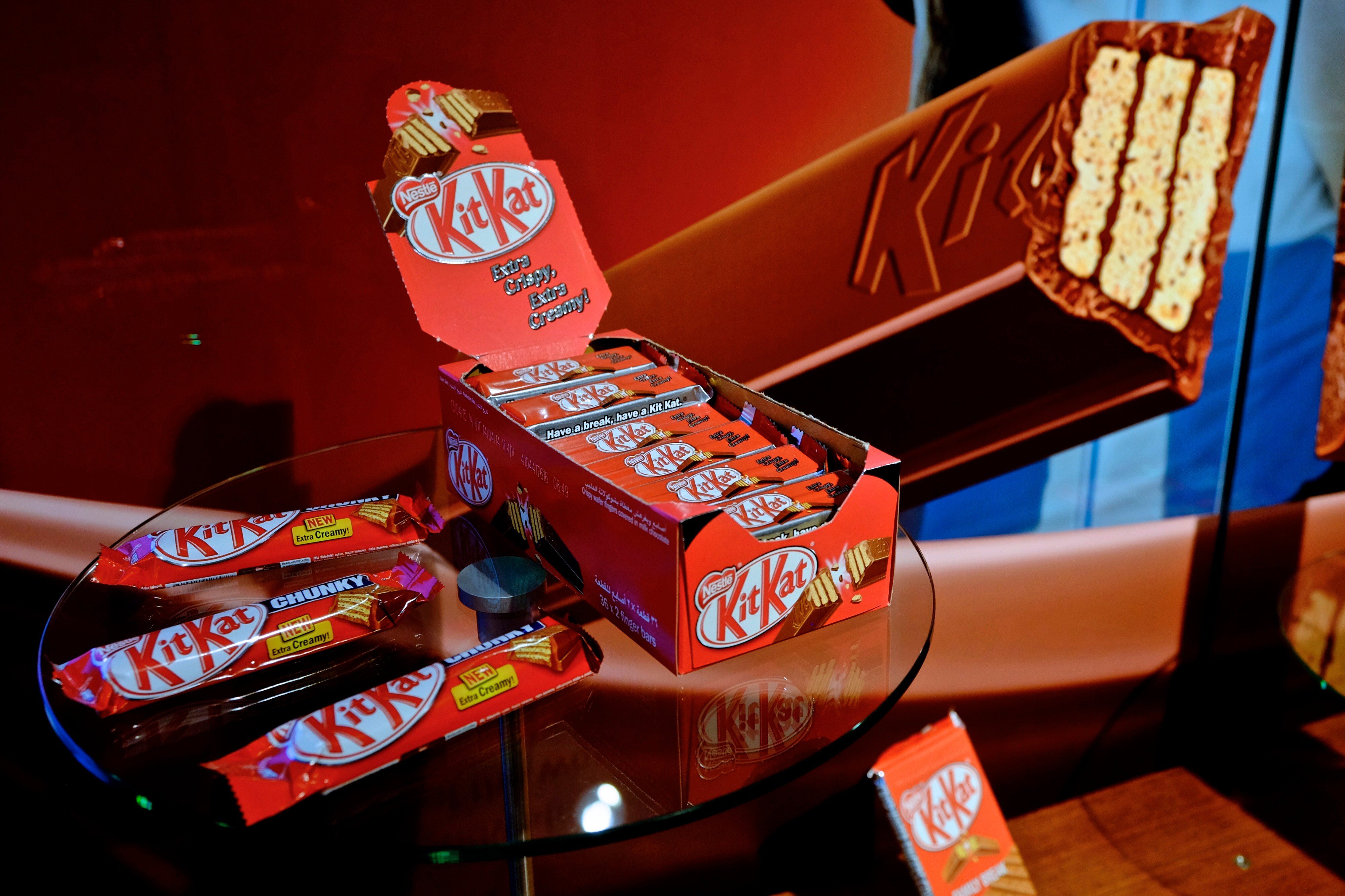
Nestle India said it launched 15 products last year giving a thrust to “innovation and renovation” in its Maggi and Kit Kat Portfolio. It also introduced ready-to-drink Milo in the market.
“We will continue to be responsive, committed to society, nimble-footed and an organization that lives up to its purpose of enhancing quality of life and contributing to a healthier future,” Narayanan said.
In June 2015, Nestle India had hit a roadblock after it had to withdraw Maggi noodles from the market, following regulatory ban on the product.
It had relaunched the noodles in November, five months after it went off the market due to a ban by FSSAI over alleged presence of lead beyond permissible limits.
Also Read: L'Oreal CEO Says Cosmetics Maker Ready to Buy Nestle's Stake

-
Signature Play: The Classic Cocktail Is Dead. Or Is It?

Classic cocktails are disappearing from India's cocktail menus. But they're still being ordered, taught to bartenders and borrowed from. So, who's really having the last drink?
-
A New Samvat Wishlist: Inclusive Prosperity And Human Development
India has strengthened its economic foundations through infrastructure, digital access and enterprise. Its next growth chapter must deepen productivity, create better livelihoods and widen participation in prosperity.
-
Love, Sex Aur Dhokha: The Audacious Plot To Spy On Jensen Huang
A Taipei dinner, a Singapore chip buyer and a suspected Chinese asset: inside the alleged spy operation that got close to NVIDIA's Jensen Huang.
-
Ten Things I Learnt This Samvat
Patience can be a trap. Cheap stocks can stay cheap. Leverage can wipe you out. What did Samvat 2082 teach us? Niraj Shah writes on 10 lessons from the year gone by.
-
Talking Points This Week: Tech Nerves, FII Buying, And A Faraway Banking Shock
The global markets are not shining this Diwali. The exception in the large markets is, India.
-
Midterm Rally Lasted A Day. The Hard Reality Of A Divided US May Last Two Years | Opinion
Between a contested AI boom, a debt ceiling that arrives in 2027 and a president with every incentive to act alone, the next two years may prove more volatile than the first day's rally suggests.
-
Blue Wave Will Derail the AI Trade but Won't Dismantle the AI Era | Unhedged Position
The Democrats' sweep of the US Congress will see politics collide with economic forces both over the long and short term.
-
It's Time To Take The GST Council's Bet On Trust Global
Payment records can prove India's services exports, and clear, proportionate rules can bring foreign digital sellers into the tax net.
-
Opinion | India at 38: From Innovation Overperformer to Innovation Powerhouse
India now has 453 VC-backed deep science startups, 18 of them late-stage, after 117 percent growth since 2020. Laurus Labs, at USD 9.3 billion, is the most valuable deep science company in any middle-income economy outside China.









