NaBFID To Sanction Loans Worth Rs 1 Lakh Crore In FY24, Says MD Rajkiran Rai
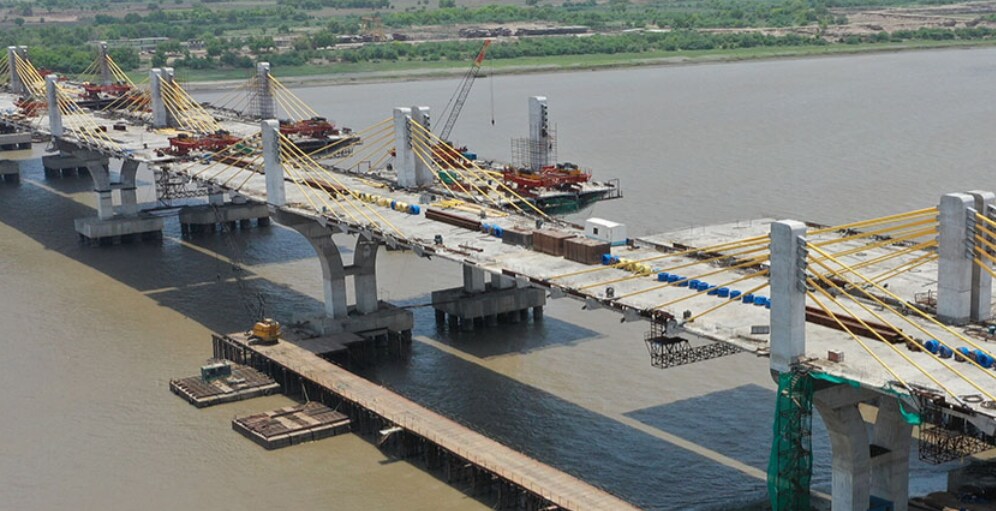
The National Bank for Financing Infrastructure and Development, or NaBFID, plans to disburse loans worth Rs 60,000 crore over FY24, according to the lender's Managing director, Rajkiran Rai.
The disbursement target comes as the infrastructure-focused financier is aiming to sanction loans totalling Rs 1 lakh crore during the ongoing financial year. NaBFID debuted on the Bombay Stock Exchange on Tuesday with a maiden bond that raised Rs 10,000 crore.
"This year, we are expecting that our sanctions will reach about Rs 1 lakh crore by March 2024," Rai said. NaBFID also expects that about one-third of its disbursals will flow towards greenfield investments, he said. Such investments are typically a form of foreign direct investment, wherein a company sets up operations in a country outside its home base.
Given its planned trajectory on disbursements, NaBFID also plans to raise about Rs 50,000–52,000 crore in funding, out of which Rs 30,000 crore will come from bond markets and the remaining from banks' credit lines, Rai said.
"From the government side, they've fixed most of the issues," Rai said, referring to land acquisition or environmental clearance issues that have plagued infrastructure projects in the past.
But bankers need to pay heed to the leverage element in such financing, he said. "The people who execute—the private parties—we should ensure that they've not done aggressive bidding," Rai said.
Such bidding has contributed to the failure of infrastructure projects in the past because, with excessive leverage, a few things falling apart took them down entirely, he said.
With banks largely pulling away from infrastructure financing over the last decade, the talent pool required to carry it out has also seen a shortage.
NaBFID has so far put together a 45-member team that hails from 12 banks and financial institutions overall, Rai said. "There is not much of a shortage, but there is a shortage of talent in the area," he said.
NaBFID's ability to pay market-related salaries is also a good enabler for attracting talent, Rai said.
Watch the full video here:

-
Signature Play: The Classic Cocktail Is Dead. Or Is It?

Classic cocktails are disappearing from India's cocktail menus. But they're still being ordered, taught to bartenders and borrowed from. So, who's really having the last drink?
-
A New Samvat Wishlist: Inclusive Prosperity And Human Development
India has strengthened its economic foundations through infrastructure, digital access and enterprise. Its next growth chapter must deepen productivity, create better livelihoods and widen participation in prosperity.
-
Love, Sex Aur Dhokha: The Audacious Plot To Spy On Jensen Huang
A Taipei dinner, a Singapore chip buyer and a suspected Chinese asset: inside the alleged spy operation that got close to NVIDIA's Jensen Huang.
-
Ten Things I Learnt This Samvat
Patience can be a trap. Cheap stocks can stay cheap. Leverage can wipe you out. What did Samvat 2082 teach us? Niraj Shah writes on 10 lessons from the year gone by.
-
Talking Points This Week: Tech Nerves, FII Buying, And A Faraway Banking Shock
The global markets are not shining this Diwali. The exception in the large markets is, India.
-
Midterm Rally Lasted A Day. The Hard Reality Of A Divided US May Last Two Years | Opinion
Between a contested AI boom, a debt ceiling that arrives in 2027 and a president with every incentive to act alone, the next two years may prove more volatile than the first day's rally suggests.
-
Blue Wave Will Derail the AI Trade but Won't Dismantle the AI Era | Unhedged Position
The Democrats' sweep of the US Congress will see politics collide with economic forces both over the long and short term.
-
It's Time To Take The GST Council's Bet On Trust Global
Payment records can prove India's services exports, and clear, proportionate rules can bring foreign digital sellers into the tax net.
-
Opinion | India at 38: From Innovation Overperformer to Innovation Powerhouse
India now has 453 VC-backed deep science startups, 18 of them late-stage, after 117 percent growth since 2020. Laurus Labs, at USD 9.3 billion, is the most valuable deep science company in any middle-income economy outside China.









