'Never Let A Crisis Go To Waste': Myntra's Mukesh Bansal On Understanding The Start-Up Game
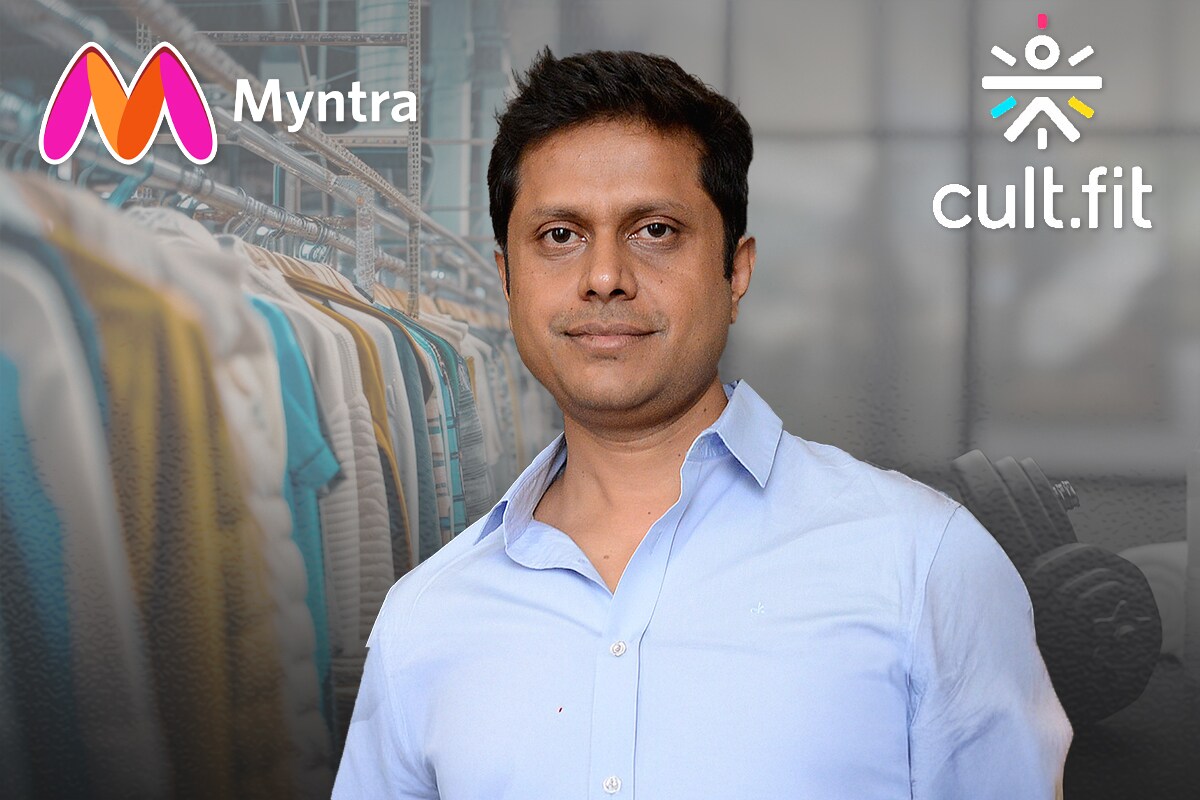
Crises define entrepreneurs, and Mukesh Bansal, the brains behind industry giants Myntra and Cultfit, spilled the beans on how he overcome massive setbacks in his entrepreneurial journey of 25 years.
In conversation with NDTV Profit, Bansal recalled the day when Myntra hit rock bottom in 2013. "We had no money left in the bank. We had a company with probably 300 employees, lots of customers, and we were going to hit the payroll in just 7–8 days. It was pretty clear to us—at least some of us who knew the full picture—that it's very difficult we'll be able to make it."
At the time, Tiger Global's Lee Fixel had extended his support by wiring $5 million, which bought Myntra six months to turn things around. "I think it boiled down to communicating to him that we really believe in things. I think it's really working; we can make it work, we need to navigate the next few months somehow, and then the business will work out. To his credit, he believed that," Bansal said.
When dealing with an entrepreneurial existential crisis, Bansal's advice is pretty clear—first and foremost, acknowledge the crisis. Living in denial would serve no good, he said. Start from a blank slate, look at the issue long and hard, and make bold, decisive moves. That's his mantra for crisis.
During the pandemic, Cultfit faced a similar crisis again. "Revenue went from 100 to zero overnight," Bansal said, claiming that theatres and gyms were arguably the most affected sectors. "But see, there's this line which says, 'never let a crisis go to waste'. We got rid of the bad stuff, and doubled down on the good stuff."
Dot Com Boom
"I used to shop online a lot, experienced the dot-com boom."
Bansal credited the dot-com boom in the US for inspiring him to launch Myntra on his return from the States. "It was a given that it's going to take off in India also at some time, but no one knew when," he explained.
The idea for Myntra came from both personal habits and observing market inefficiencies. "I showed up in the mall in the afternoon on Thursday, and you can imagine how many people were in the mall—nobody. I was walking around, seeing every floor filled with clothes, footwear, and accessories, and not a single customer. It felt like such a waste. All this inventory should be online as well."
AI: Hottest New Thing In Town
"AI is a threat as well as an opportunity," said Bansal, calling it "the most significant technological shift of all times". However, he acknowledged the potential disruptions AI could bring. "Some jobs will be lost, there's absolutely no question about it. But I'm optimistic it will also lead to the creation of a lot more new types of jobs," he said.
"Writing about AI, investing in AI have both gone into overdrive in the last one to two years," said Bansal.
Investors should not expect returns in such short a span of time, he said, mentioning that it would take a considerable amount of time for the maturation of AI.
On Entrepreneurship, And Hierarchies
"Startup is like a marathon—you need staying power," said Bansal. He doubled down on the importance of adaptability: "Strong opinions, loosely held. As an entrepreneur, you really have to believe in something, but you should not be so married to it that you go down with it."
He also spoke about fostering a transparent work culture. "I do not believe in creating an explicit hierarchy," he said, adding that fresh talent can change a company's culture and introduce new ideas.

-
The Curious Case of Equitas Small Finance Bank And A CEO Who Quit For Stock

PN Vasudevan believes persistent investor concerns over a perceived conflict of interest had become a governance overhang on Equitas Small Finance Bank's stock, even as the lender improved profitability and asset quality.
-
Talking Points This Week: AI Cash Burn, A Tiger Comeback And An India That Still Finds Its Own Path
India is not immune to higher oil or tighter global liquidity, yet its earnings base is broader, its domestic policy levers are still available.
-
Foreign Investors Own Half Of HDFC Bank and ICICI Bank. An LTCG Cut Could Matter Most Here
Foreign portfolio investors have US$115 billion parked in HDFC Bank, ICICI Bank. If the government cuts long-term capital gains tax, Jefferies says returning foreign money could land here first.
-
'Never Seen This Level Of Negativity': Sandeep Tandon Says The Next Rally May Be Closer Than You Think
Veteran investor Sandeep Tandon says foreign selling is easing, large-caps are due a comeback and mid-caps are crowded, while he turns positive on gold, power and pharma this Diwali.
-
Indians Stay With Family, Not In Hotels | The Reason Why
India still lacks enough clean, reliable and affordable hotels for budget-conscious travellers.
-
The Economic Imperative: Analysing The Material Driving Force Behind India-Canada Strategic Reset
This economic complementarity is further reinforced by deep institutional investment ties and talent mobility, which form the bedrock of the bilateral framework.
-
Medicine Pricing: Where Must Profit Stop?
India must confront excessive margins, hidden incentives and regulatory gaps that threaten the integrity of medicine.
-
Why Amazon And Flipkart Are Struggling To Beat Meesho In India's Smaller Cities
With 274 million users and lowest-cost logistics, Meesho is defending its value commerce crown against giants like Amazon and Flipkart.
-
High US Salaries, No Green Card Certainty: The Financial Calculation Facing Indian H-1B Families
The suspension of PERM processing at eight technology employers does not cancel existing H-1B visas. What it does is force a question many Indian families have been avoiding: is the US salary worth tying your career and family plans to one employer?
-
Swiggy vs Eternal: Food Delivery's Two Rivals Are No Longer In The Same Race
Eternal is building a private AI assistant, dark.ai. Swiggy is still working out how to make Instamart pay, with an operating loss of Rs 895 crore in the July-September quarter while Blinkit stayed profitable.










