Musk’s Mixed Tesla Jobs Messages Send Everyone On Wild Ride
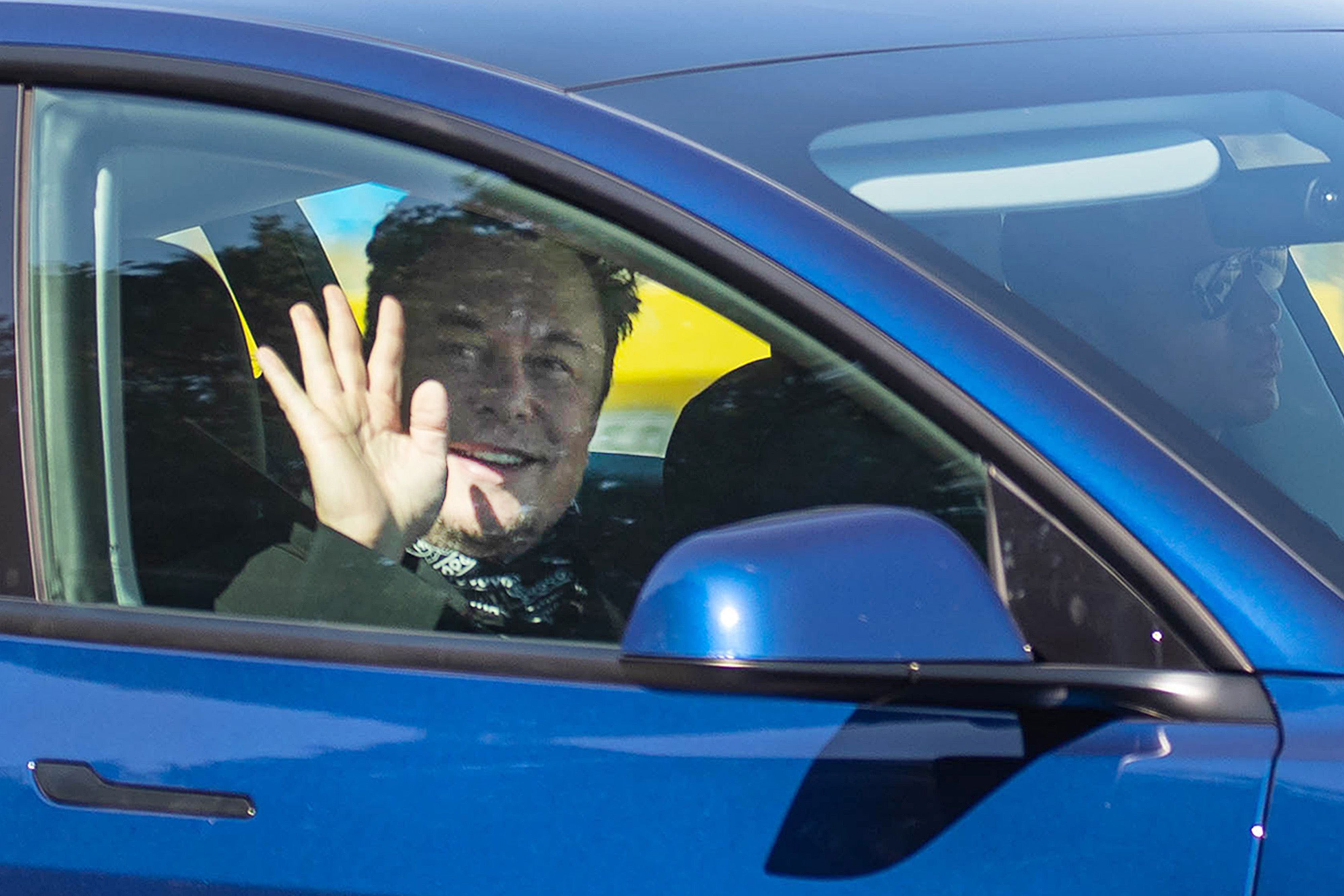
(Bloomberg) -- Elon Musk sent Tesla Inc. staff, investors and electric-car watchers on a roller-coaster ride with conflicting messages about potential job cuts, underlining the sometimes erratic nature of his leadership and muddying the automaker's outlook.
The chief executive officer tweeted on Saturday that Tesla's total workforce will increase over the next 12 months, with its salaried ranks remaining relatively unchanged. That followed his Friday message to employees that 10% of salaried workers would lose their jobs, which clarified an earlier memo that suggested cuts would be made across the company. According to people who received the second email, Musk said that while Tesla is overstaffed in some areas, cuts won't apply to people who assemble cars or battery packs.
Musk's apparent attempt to soften the blow for Tesla's roughly 100,000-strong workforce added to confusion for shareholders and observers bracing for signs of an electric car slowdown. Tesla shares rallied as much as 4.5% before the start of regular trading Monday after plunging 9.2% on Friday. Reuters reported that Musk told some executives he was reducing staff because he had a “super bad feeling” about the economy.
“Musk's mixed message has created a lot of confusion,” said Daniel Ives, an analyst at Wedbush Securities in New York. “We believe Musk tried to send a signal to the employee base, it backfired, and now he has walked back his words.” He called the saga “another bizarre soap opera.”
Musk, a prolific tweeter with more than 96 million followers, has a history of convulsing markets with missives about financial and strategic matters, including his now infamous 2018 post in which he claimed to have secured funding for a potential Tesla buyout. That tweet landed him in trouble with regulators.
Last year, he polled Twitter users over whether he should sell 10% of his stake in Tesla before offloading billions of dollars worth of stock.
The world's richest person has also caused ructions with his planned $44 billion acquisition of Twitter Inc. The deal passed US antitrust review last week but has yet to close. Musk last month sowed doubt over his intentions when he tweeted that the deal was “on hold” while he probed how many of its accounts are bots.
Seven Elon Musk Tweets That Sent Tesla Shares on a Wild Ride
In his latest series of communications, it's not clear to what extent Musk, 50, is trying to ward off complacency within Tesla's workforce, or to trim expenses in the face of an economic downturn, faster inflation and higher borrowing costs.
Further clouding the issue, Chinese website Jiemian reported Monday that Tesla is still hiring a “large number” of workers in China, mostly engineers. Musk has recently praised Tesla's China employees, many of whom have been living at the company's Shanghai factory to keep production running during Covid-19 restrictions, while exhorting US staff to get back to the office.
“Tesla is a bellwether for EV stocks, so if they are taking steps to conserve cash, it points to a weak outlook,” said Steve Man, a Bloomberg Intelligence auto analyst. “Tesla's announcement will put sales outlook on investors' radar.”
Tesla has been through cycles of rapid growth and reversals before. It fired 700 workers in 2017 amid what Musk described as “production hell” for the Model 3 sedan. The following year, he announced plans to dismiss 9% of employees as the company continued to struggle with ramping up output.
More than 40% of the Austin, Texas-based company's staff is now global as it expands rapidly outside the US. Almost 40% of employees work on production lines.
(Updates with share trading in the third paragraph.)
More stories like this are available on bloomberg.com
©2022 Bloomberg L.P.

-
Talking Points This Week: Leadership Shock At Nvidia, Earnings Strength, And The Fog Over Hormuz

The Anthropic IPO pricing and first trading day, Nvidia's upcoming earnings, and any fresh signals from Iran will set the tone for the following week.
-
Signature Play: The Classic Cocktail Is Dead. Or Is It?
Classic cocktails are disappearing from India's cocktail menus. But they're still being ordered, taught to bartenders and borrowed from. So, who's really having the last drink?
-
A New Samvat Wishlist: Inclusive Prosperity And Human Development
India has strengthened its economic foundations through infrastructure, digital access and enterprise. Its next growth chapter must deepen productivity, create better livelihoods and widen participation in prosperity.
-
Love, Sex Aur Dhokha: The Audacious Plot To Spy On Jensen Huang
A Taipei dinner, a Singapore chip buyer and a suspected Chinese asset: inside the alleged spy operation that got close to NVIDIA's Jensen Huang.
-
Ten Things I Learnt This Samvat
Patience can be a trap. Cheap stocks can stay cheap. Leverage can wipe you out. What did Samvat 2082 teach us? Niraj Shah writes on 10 lessons from the year gone by.
-
Talking Points This Week: Tech Nerves, FII Buying, And A Faraway Banking Shock
The global markets are not shining this Diwali. The exception in the large markets is, India.
-
Midterm Rally Lasted A Day. The Hard Reality Of A Divided US May Last Two Years | Opinion
Between a contested AI boom, a debt ceiling that arrives in 2027 and a president with every incentive to act alone, the next two years may prove more volatile than the first day's rally suggests.
-
Blue Wave Will Derail the AI Trade but Won't Dismantle the AI Era | Unhedged Position
The Democrats' sweep of the US Congress will see politics collide with economic forces both over the long and short term.
-
It's Time To Take The GST Council's Bet On Trust Global
Payment records can prove India's services exports, and clear, proportionate rules can bring foreign digital sellers into the tax net.
-
Opinion | India at 38: From Innovation Overperformer to Innovation Powerhouse
India now has 453 VC-backed deep science startups, 18 of them late-stage, after 117 percent growth since 2020. Laurus Labs, at USD 9.3 billion, is the most valuable deep science company in any middle-income economy outside China.









