Mumbai To Get 3,650 Hectares Of Barred Zone, Salt Pans For Development
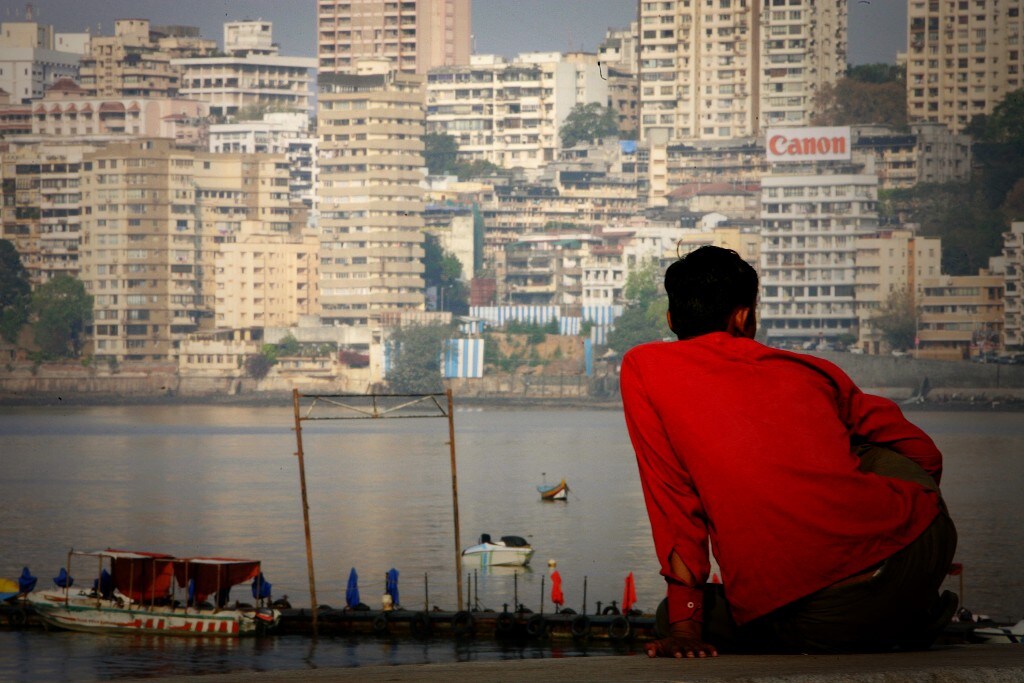
Maharashtra will release 3,355 hectares of land previously designated as no-development zone for building apartments and commercial complexes in Mumbai, the world's second most crowded city.
About 2,100 hectares of it will go for affordable housing under the Development Plan 2034, Ajoy Mehta, municipal commissioner of Mumbai, said in a press conference today. An additional 300 hectares of salt pan land will also go for affordable homes.
The document determines the city's land use and infrastructure development for the next 20 years. Chief Minister Devendra Fadnavis had ordered revision of the first version released in February 2014 due protests and public outcry.
“This (new plan) is a positive development for affordable housing. There will be a huge amount of real estate activity in the island city and many of listed real estate developers in Mumbai are going to benefit from this,” Anuj Puri, chairman at property consultant Anarock, told BloombergQuint. “I do have concerns if the infrastructure can keep pace.”
Here are the key highlights from the press conference, also addressed by Nitin Kareer, secretary at the state's Urban Development Department:
- 1 million affordable homes targeted.
- Open spaces marked as no-construction areas.
- No suggestion to delete open spaces accepted.
- Theme gardens, pay and park parking, old-age homes, walking provision, farmers market earmarked.
- 12,859 hectares marked as natural areas—hills, slopes, mangroves, eco sensitive areas—where no development can take place.
- Fly ash to be allowed as a building material.
- Floor space index -- the extent of development allowed on a piece of land -- for commercial development increased to 5.
Puri said he wanted to understand on how the salt pan developments will take place given the coastal zone regulations. “My understanding is that the CR-Z (coastal zone regulations) would have been relaxed to accommodate affordable housing on salt pans.”
The Risks
The new development plan opens these lands for housing but there should be very strict norms on how environmental clearances are given and properly regulated, said Ronita Bardhan of the Centre for Urban Science and Engineering, at the Indian Institute of Technology, Mumbai.
“Not only that, there should be efficiency in mapping up these lands for allowing them to open up for construction,” she said.
Rishi Aggarwal, urban development expert and environmentalist, believes constructing on salt-pan lands would follow the Archimedes principle of buoyancy, that “if you sit in the bath tub, that much amount of water is going to be displaced.”
“Same way, if you construct on salt pans, you would take away the capacity of that land to absorb that. So it is a big concern,” he said.

-
Indians Are Travelling, But Not Every Journey Is A Holiday | The Week In Whys

Pilgrims, patients and working women are the real travellers, and the system hasn't quite caught up with them.
-
Getting To Work Costs Women More | The Reason Why
It is not just about women paying more than men. It is about women paying much more in cities than in villages.
-
AI Bias In Investing Cannot Be Eliminated, But It Can Be Governed
Framing is a particularly important example as identical financial information presented in terms of gains rather than losses can lead an LLM to reach a different assessment.
-
Joining The Dots | Dark Skies, Steady Diya: Why Hope Holds This Diwali
With war, a weak rupee and foreign outflows weighing on sentiment, policymakers at the NDTV World Summit and market veterans at NDTV Profit Ignite: Diwali Edition offered the same advice: stay invested and filter out the noise.
-
The Curious Case of Equitas Small Finance Bank And A CEO Who Quit For Stock
PN Vasudevan believes persistent investor concerns over a perceived conflict of interest had become a governance overhang on Equitas Small Finance Bank's stock, even as the lender improved profitability and asset quality.
-
Talking Points This Week: AI Cash Burn, A Tiger Comeback And An India That Still Finds Its Own Path
India is not immune to higher oil or tighter global liquidity, yet its earnings base is broader, its domestic policy levers are still available.
-
Foreign Investors Own Half Of HDFC Bank and ICICI Bank. An LTCG Cut Could Matter Most Here
Foreign portfolio investors have US$115 billion parked in HDFC Bank, ICICI Bank. If the government cuts long-term capital gains tax, Jefferies says returning foreign money could land here first.
-
'Never Seen This Level Of Negativity': Sandeep Tandon Says The Next Rally May Be Closer Than You Think
Veteran investor Sandeep Tandon says foreign selling is easing, large-caps are due a comeback and mid-caps are crowded, while he turns positive on gold, power and pharma this Diwali.
-
Indians Stay With Family, Not In Hotels | The Reason Why
India still lacks enough clean, reliable and affordable hotels for budget-conscious travellers.
-
The Economic Imperative: Analysing The Material Driving Force Behind India-Canada Strategic Reset
This economic complementarity is further reinforced by deep institutional investment ties and talent mobility, which form the bedrock of the bilateral framework.










