Mumbai Is A Textbook Case Of Why Plastic Bans Prove Futile
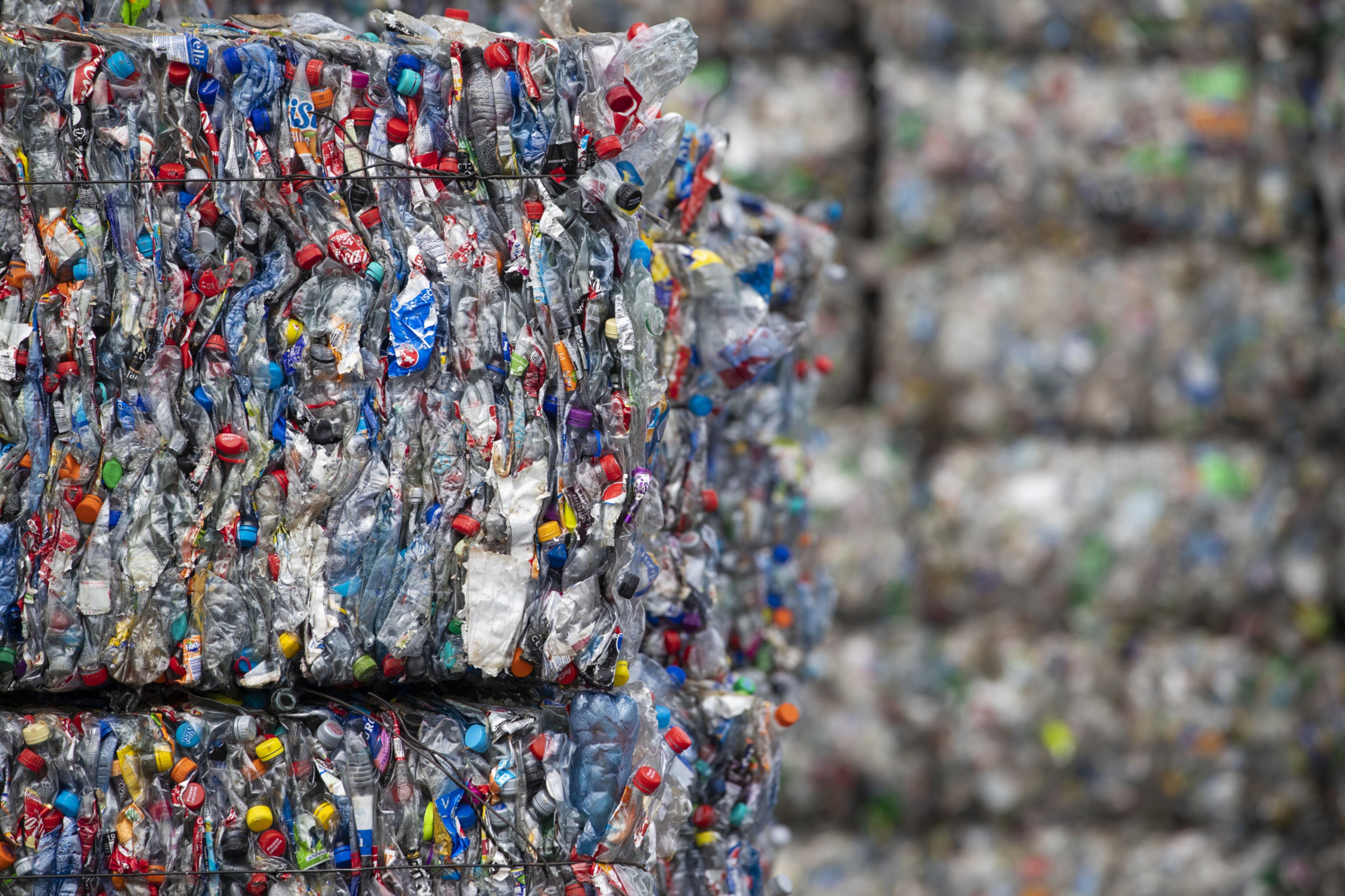
As Prime Minister Narendra Modi is expected to announce curbs on single-use plastic in India, his government could learn from Mumbai's experience on why blanket bans don't work.
A year after banning plastic plates, water bottles, spoons, cups and other single-use products, most of such packaging material is back and polythene carry bags are still in use. That's because of tardy checks, exemptions to certain items to protect jobs and lack of easy alternatives.
Modi plans to announce his initiative on Oct. 2 to mark Mahatma Gandhi's 150th birth anniversary. But that may run into similar hurdles as the country looks to create awareness about the non-biodegradable material that lasts for centuries, contaminating food chain, drinking water sources and oceans.
India generates 26,000 tonnes of plastic waste every day, according to Central Pollution Control Board. Still, an average Indian consumes almost 10 times less plastic than an average American. According to The Energy and Resources Institute, the nation's per capita use is half the global average. More than generation, the problem here is management.
Maharashtra, the biggest contributor to such waste in India, banned single-use plastic in March last year. Mumbai, the state's capital, rolled out the ban in June with steep fines. While vendors have been fined, individual users haven't come under scrutiny.
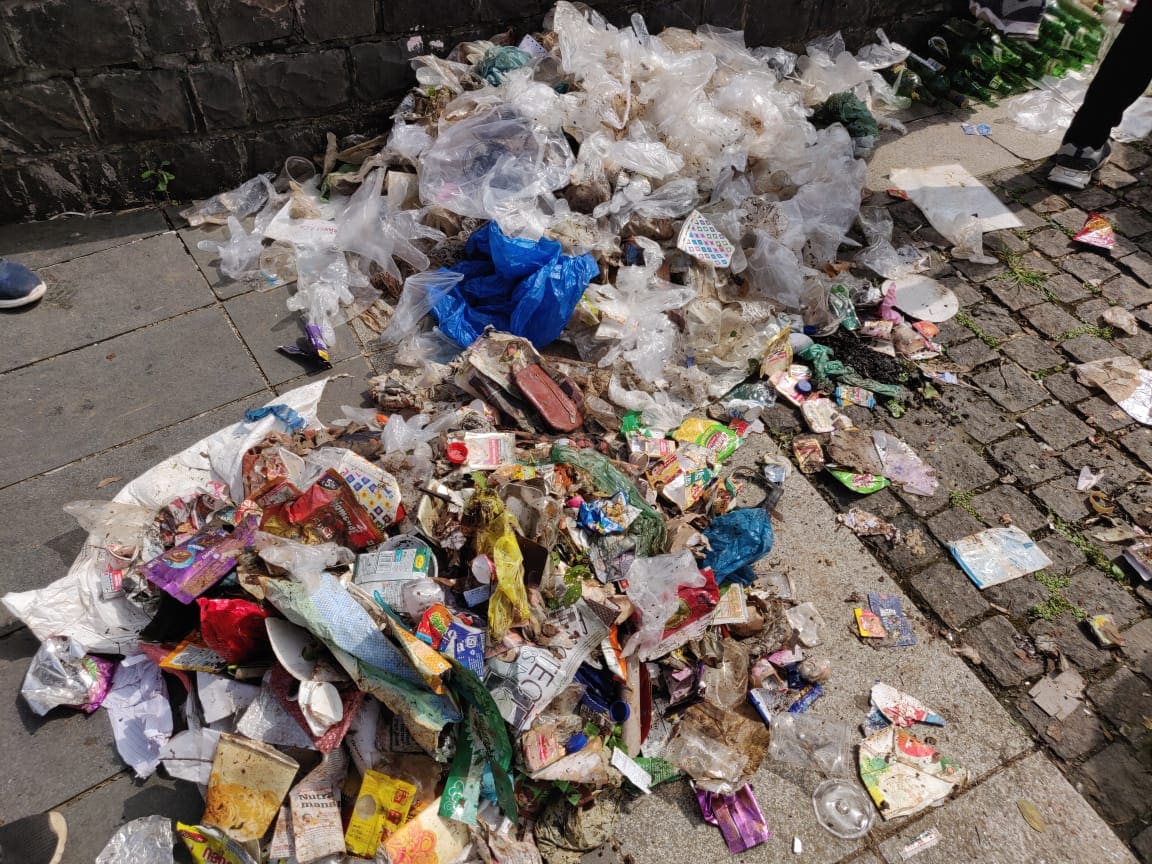
According to data shared with BloombergQuint by Brihanmumbai Municipal Corporation, India's richest civic body collected Rs 4.16 crore penalty and seized 76,726 kilograms of banned items from June 23, 2018 to Sept. 23, 2019. But numbers hide the complete picture.
‘Poor Implementation'
Soon after the ban, the plastic lobby started warning about loss of jobs. And the state started exempting items from the ban. PET bottles, items used for packaging food and products ordered online, and garbage bin liners were out of the ambit. That set a wrong precedent.
“The ban created some awareness among people but we still find that the change is negligible,” Amrita Bhattacharjee, an environment activist, said. “That's because the ban is not implemented properly. Strict action should be taken against shopkeepers who give out plastic bags and on customers who demand it.”
Stalin Dayanand, environmentalist and project director at NGO Vanashakti, said the real problem is lack of implementing machinery with the BMC. “Most of the banned plastic is found with hawkers who come out in the evening after 6 p.m. At that time, BMC officials are not there,” he said, adding the authorities should also start penalising individuals, not just vendors and business owners.
‘Steep Fines Won't Work'
BMC rules stipulate Rs 5,000 penalty for the first violation, Rs 25,000 for the second and Rs 25,000 along with three-month jail for the third.
Such heavy fines dissuade officials from imposing penalty on individual users, according to Dayanand. Ideally, he said the fine should be around Rs 50, allowing clean-up marshals to penalise more people to create awareness.
“Steep fines also increase chances of exploitation,” according to Neemit Punamiya, general secretary at Plastic Bag Manufacturing Association of India. There have been instances of the implementing agency trying to extort money in the name of ban, he said.
Lack Of Alternatives
Since the ban was announced, the government gradually diluted it by taking products out of its ambit.
Civic officials said that made it difficult to curb use. “We do face challenges with regards to dealing with unauthorised and illegal plastic,” said Kiran Dighavkar, assistant municipal commissioner G-North Ward, and nodal officer of Swachh Bharat Mission. “Reducing the use of items that are exempted is another challenge.”
Punamiya said unless you give people alternatives, there can't be any way out. “We are open to moving to eco-friendly alternatives. You can produce compostable bags using corn starch. But the Maharashtra government isn't ready for it yet,” he said, adding that several presentations to the government haven't yielded results.
Compostable bags can be used as carry bags as well as for packaging material, according to Punamiya. The cost of manufacturing is three to four times the price of single-use plastic. A 50-micron bag costs Rs 5 while a 20-micron compostable bag will cost Rs 15.
But more than the cost, it's the comparative carbon footprint that matters. There's no clarity yet if such bioplastics are better given water and land used to grow crops. The carbon footprint of a single cotton bag, which many retailers have switched to, offers a perspective.
Factoring in the water and energy used in production, you'd have to reuse it more than 7,000 times to have the same environmental impact as a polythene bag, according to a study by Denmark's environment protection agency.
Industrial Packing Bigger Worry
Banning single-use plastic is tackling just a tiny part of the puzzle. With everything from food to shampoos being sold in packaging, it's the industrial use that needs to be addressed.
“Waste that comes from packaging of products like shampoos, gutkas, chips and biscuits can't be recycled and is not collected at all,” said Punamiya. “It almost accounts for 98 percent of plastic waste collected. The government doesn't want to go after large companies. The ban on polythene carry bags is just an eye wash to look eco-friendly,” he said, adding it conveniently lifted ban from PET bottles used to selling packaged water.
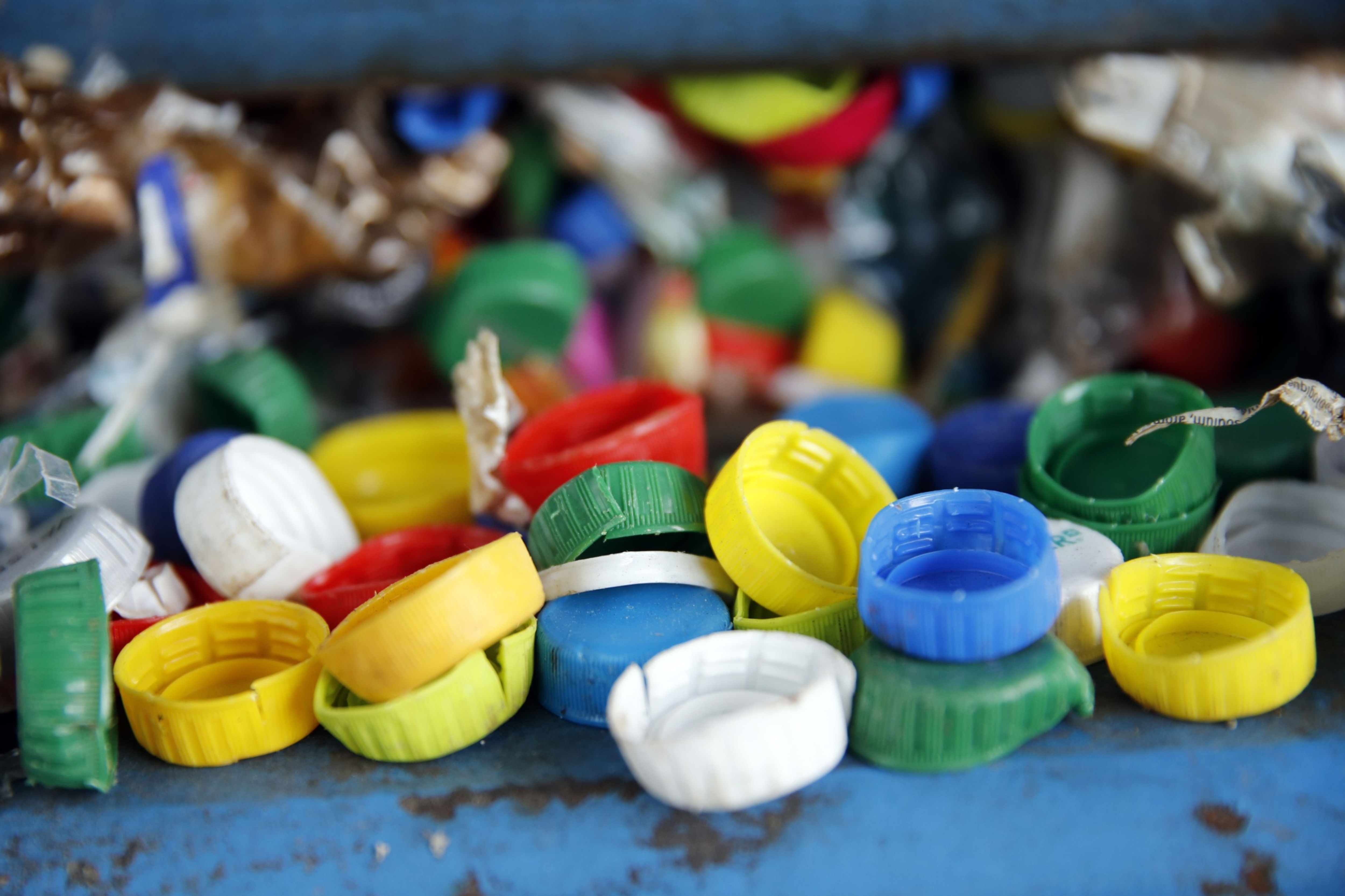
Plastic bottles in fact are proving to be a big menace. If all plastic bottles used just in a year were to be stacked on top of each other, that could build at least 190 towers to the moon.
While removing polyethylene terephthalate or PET bottles used by water and cola producers, the government asked manufacturers and sellers to set up collection centres or depositing machines to recycle such plastic. The extended producer responsibility or EPR puts the onus on producers for treatment or disposal. But there's no mechanism to audit if companies are following it.
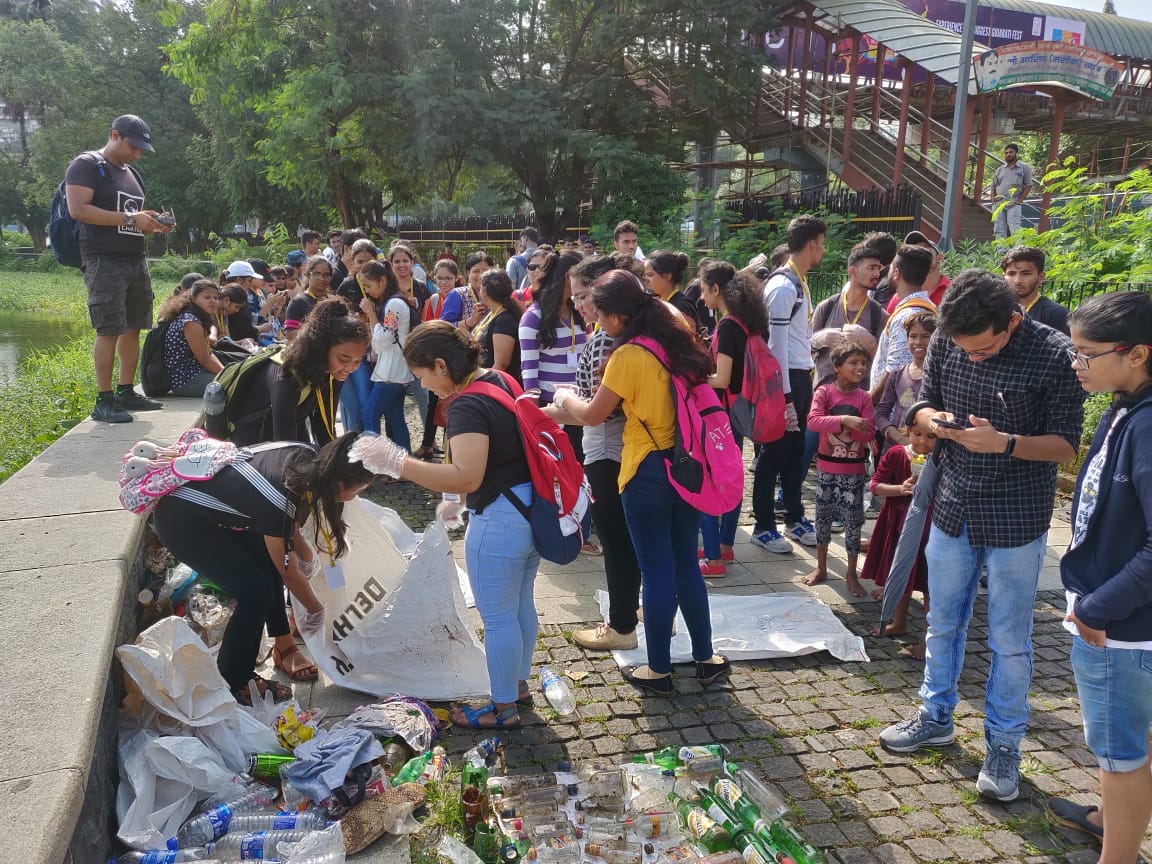
“We have been conducting clean-up drives across Mumbai and haven't seen improvements in the litter quality or in the brands,” said Saurabh Gupta, environmentalist and sustainability adviser. “For many companies, it's an innovative branding exercise and an opportunity to boost image. There should be an open community-based audit of impact,” he said. “I am seeing ‘E' missing from the EPR activity. It's rather becoming PR activity.”

-
Signature Play: The Classic Cocktail Is Dead. Or Is It?

Classic cocktails are disappearing from India's cocktail menus. But they're still being ordered, taught to bartenders and borrowed from. So, who's really having the last drink?
-
A New Samvat Wishlist: Inclusive Prosperity And Human Development
India has strengthened its economic foundations through infrastructure, digital access and enterprise. Its next growth chapter must deepen productivity, create better livelihoods and widen participation in prosperity.
-
Love, Sex Aur Dhokha: The Audacious Plot To Spy On Jensen Huang
A Taipei dinner, a Singapore chip buyer and a suspected Chinese asset: inside the alleged spy operation that got close to NVIDIA's Jensen Huang.
-
Ten Things I Learnt This Samvat
Patience can be a trap. Cheap stocks can stay cheap. Leverage can wipe you out. What did Samvat 2082 teach us? Niraj Shah writes on 10 lessons from the year gone by.
-
Talking Points This Week: Tech Nerves, FII Buying, And A Faraway Banking Shock
The global markets are not shining this Diwali. The exception in the large markets is, India.
-
Midterm Rally Lasted A Day. The Hard Reality Of A Divided US May Last Two Years | Opinion
Between a contested AI boom, a debt ceiling that arrives in 2027 and a president with every incentive to act alone, the next two years may prove more volatile than the first day's rally suggests.
-
Blue Wave Will Derail the AI Trade but Won't Dismantle the AI Era | Unhedged Position
The Democrats' sweep of the US Congress will see politics collide with economic forces both over the long and short term.
-
It's Time To Take The GST Council's Bet On Trust Global
Payment records can prove India's services exports, and clear, proportionate rules can bring foreign digital sellers into the tax net.
-
Opinion | India at 38: From Innovation Overperformer to Innovation Powerhouse
India now has 453 VC-backed deep science startups, 18 of them late-stage, after 117 percent growth since 2020. Laurus Labs, at USD 9.3 billion, is the most valuable deep science company in any middle-income economy outside China.









