Moody’s Cuts Reliance Industries’ Credit Outlook To ‘Stable’ From ‘Positive’
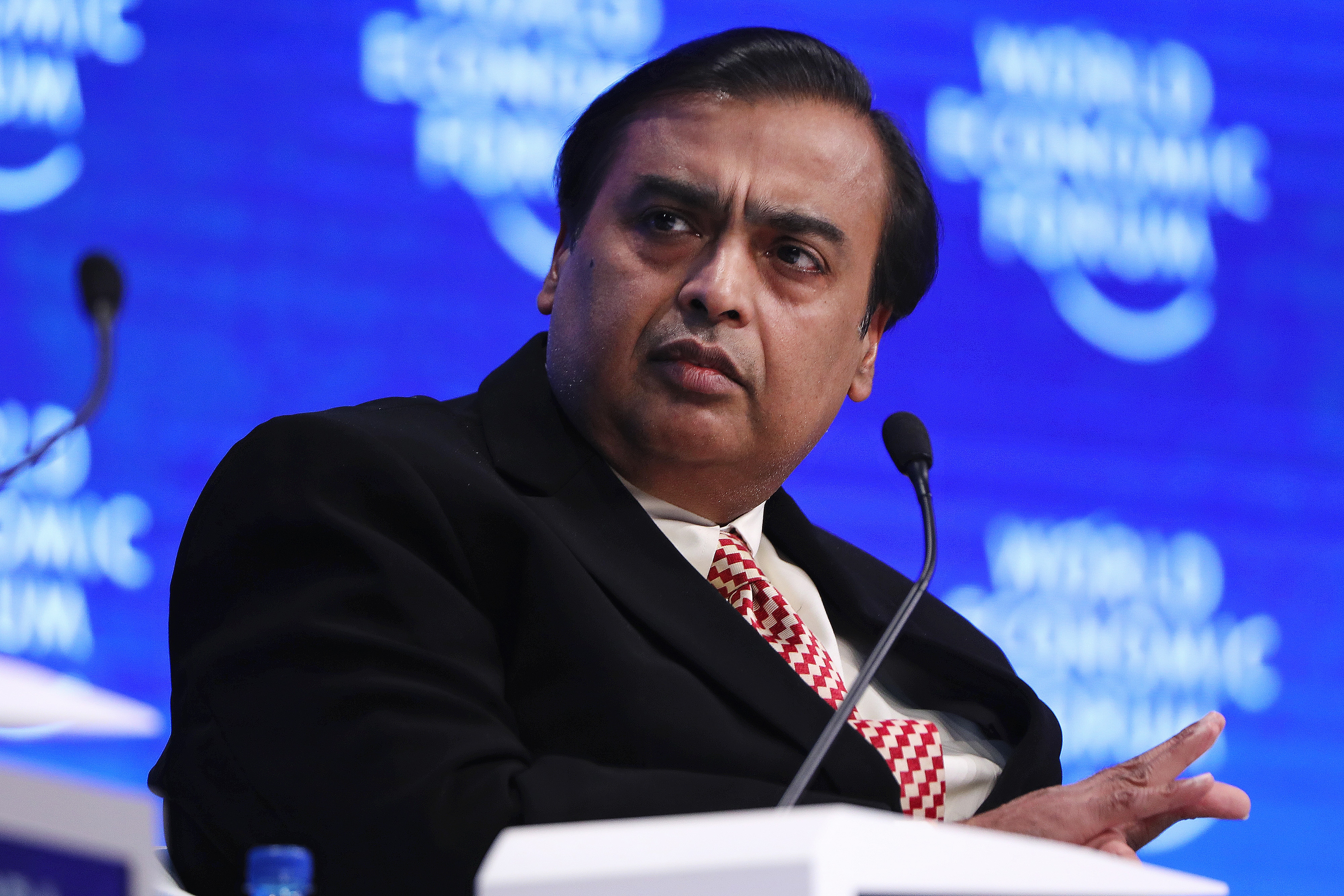
Citing a likely negative free cash flow situation due to heavy debt repayments over the next 18 months, global ratings agency Moody's has lowered the credit outlook on Reliance Industries to ‘stable' from ‘positive' but retained the Baa2 ratings on its long-term debt.
Moody's said the country's richest and most profitable company will see large cash outflow over the next 18 months towards paying back its creditors for the billions of dollars of capex it had incurred on telecom business as well refining and petrochemical expansions in the past few years.
This will lead the energy and telecom conglomerate, which already is the largest forex borrower in the country, to tap the debt market more as a result of which it will not be able to reduce its debt and also its free cash flow to be in the negative territory for next 18 months or so, it warned.
However, it noted that though the refining and petrochem capex is almost complete, the cash outflow will still remain high as payments to creditors for the past capex are made over the next 12-18 months.
For the quarter to September, RIL, which has a Rs 6 lakh crore market capitalisation, saw its cash pile falling to Rs 77,014 crore at the same time its debt swelled to Rs 2.14 lakh crore from Rs 1.96 lakh crore.
“Such payments along with additional capex towards telecom will constrain any reduction in net borrowings until fiscal 2019,” Moody's warned in a weekend note.
Accordingly, we've revised our outlook on RIL's long-term issuer rating to stable from positive, but the outlook on its foreign currency senior unsecured rating is maintained at stable. The outlook on Reliance Holding US is also maintained at stable.Moody's
"The change in the outlook on the Baa2 rating reflects the increase in its business risks due to the growing digital services segment and our expectation that the high capex will keep its free cash-flow negative for at least next 18 months," it said.
The company has invested over Rs 1.4 trillion into its telecom arm Reliance Jio while it's at the fag-end of its refining and petrochemical expansion worth over Rs 1 trillion.
The company expects Jio, which reported a Rs 260 crore operational profit in the September quarter with a R 271 crore net loss, to turn in first set of profits in the current fiscal itself.
The oil-to-telecom conglomerate reported a 12.5 percent jump in September quarter net after refining margin soared to a nine-year high and mobile telephony venture earned operational profit.
Also Read: Reliance Q2 Earnings Below Estimates, Jio Surprises
It earned a net income of Rs 8,109 crore, or Rs 13.7 per share, as it could earn $12 on turning every barrel of crude oil into fuel, up from $10.1 a barrel gross refining margin in same quarter of previous year and $11.9 a barrel in first quarter of the current fiscal. Total revenue was up 23.9 percent to Rs 1,01,169 crore.
"The Baa2 rating affirmation reflects our expectation that RIL's credit metrics will recover over the next 12-18 months and be better positioned for the ratings as it continues to increase its earnings from the recently completed and ongoing projects in the refining and petrochemical segments," said Vikas Halan, a vice-president and senior credit officer at Moody's and its lead analyst for RIL, said.
The Baa2 ratings also reflect the strong ability of RIL to generate operating cash flows, with annual Ebitda exceeding $ 10 billion from its large-scale integrated refining and petrochemical operations with strong margins and its nascent but growing digital services business, he added.
Also Read: Reliance Industries Slips As Investors Weigh Q2 Earnings

-
One Battle After Another: India's Corporate Dynasties Battle For Control

2026 could go down as Corporate India's year of succession wars, governance battles and family fault lines.
-
Rs 50-Lakh Gold In Bank Locker, Rs 3 Lakh Of Protection: The Gap Most Families Don't Know About
The RBI ties a bank's liability to the annual locker rent and families who want to insure their jewellery face a separate question about how to prove what was inside.
-
The More Food Turns Into Fuel, The Harder It Is To Read Agricultural Markets | The Reason Why
A policy designed to reduce dependence on imported fuel can create new pressures elsewhere in the food economy.
-
Your iPhone Costs 12 Grams Of Gold, A Car About 100. What Does Your Life Weigh?
Measured in rupees, almost everything looks more expensive than it did a generation ago. Measured in grams of gold, a lot of it has become cheaper.
-
Gold Is Rs 22,000 Cheaper Than A Month Ago. Should You Buy Amid The Wedding Season?
Gold's potential slide to $3,500 could save around Rs 4,700 per 10 grams, but a soft inflation print could just as easily push prices back up. One way to split the risk is to buy in parts, some now and the rest after the Fed's Dec. 9 decision.
-
AI Agents Are Gaining Power. Who Governs Them?
Artificial intelligence agents promise to transform productivity by moving machines from assisting decisions to executing them. But as organisations delegate greater authority to these AI-agents, they must first establish who controls that authority and who remains accountable when things go wrong.
-
Why Swapping Your Old Gold Can Trigger A Rs 5 Lakh Tax Bill, And How You Can Avoid It Legally
Swapping old gold for new is taxed as a sale and a fresh purchase. Getting your own gold remade can cut most of that bill, though it has its own costs.
-
The AI Trade is Done. The Real Opportunity for Investors Starts in 2027 | Unhedged Position
As pureplay AI stocks plunge and circular, capex-led financing unwinds, 2027 is set to be a year of reckoning for AI companies. Yet the bust clears the way for a better opportunity for investors in 2027 -- shifting the spotlight from AI builders to the companies using AI.
-
Leadership As Mission: Why The Age Of AI Demands More Human Leadership
Debjani Ghosh examines how AI is changing leadership, arguing that its success must be measured by its impact on people and the accountability of those guiding its use.
-
We May Need Another Tukaram Mundhe To Fight Air Pollution | The Reason Why
Developers may install basic measures such as sprinklers and green nets, resume work, and continue violating rules when this equipment stops working.









