Monsoon Covers Two-Third Of India Earlier Than Usual, To Accelerate Crop Sowing
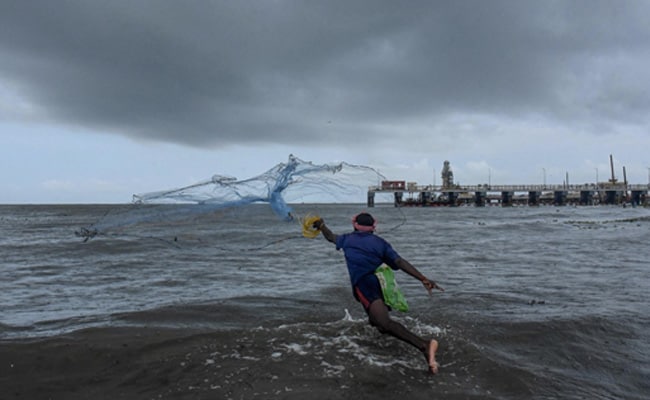
India's annual monsoon rains have covered two-third of the country, nearly a fortnight ahead of the normal schedule, a weather department official said on Monday, adding that conditions are favourable for further advancement into the north-western parts this week.
The early arrival of monsoon rains in central and northern India will help farmers accelerate sowing of summer-sown crops such as paddy rice, cotton, soybean and pulses, and may boost crop yields too.
"Monsoon has already covered some parts of Punjab. Usually, it enters Punjab in the last week of June," said an official at the India Meteorological Department (IMD), who declined to be named.
Monsoon arrived in Kerala on June 3 against the usual June 1, but has advanced quickly since.
Since the start of the season, the monsoon has delivered 25% more-than-normal rainfall, boosted by higher rainfall in the central India region, data compiled by IMD showed.
Monsoon is crucial for India's $2.7-trillion economy, as it delivers nearly 70% of the rain needed by farms, besides replenishing reservoirs and aquifers.
Sowing of summer-sown crops such as cotton, rice, soybean, corn and pulses has already started in southern and western states, and could start in central and northern India this week, said a Mumbai-based dealer with a global trading firm.
"Farmers are interested in rice and oilseeds due to higher prices. We might see higher area under soybean and paddy," the dealer said.
India is the world's biggest exporter of rice and top importer of edible oils such as palm oil, soyoil and sunflower oil.
Nearly half of India's farmland gets no irrigation and is dependent on the annual rains from June to September. Farming accounts for nearly 15% of the economy but sustains more than half of a population of 1.3 billion.

-
One El Nino, India Can Handle. Two Could Break The Granary

India's grain stocks can absorb one bad year, but a second El Nino could drain the buffer in two to three years, economists say.
-
India's Troika Of Good Luck | Joining The Dots
As Jensen Huang's exit drags Nvidia down, a cooling AI trade and resilient earnings have revived investor interest in India. A likely RBI rate hike looms.
-
Talking Points This Week: Leadership Shock At Nvidia, Earnings Strength, And The Fog Over Hormuz
The Anthropic IPO pricing and first trading day, Nvidia's upcoming earnings, and any fresh signals from Iran will set the tone for the following week.
-
Signature Play: The Classic Cocktail Is Dead. Or Is It?
Classic cocktails are disappearing from India's cocktail menus. But they're still being ordered, taught to bartenders and borrowed from. So, who's really having the last drink?
-
A New Samvat Wishlist: Inclusive Prosperity And Human Development
India has strengthened its economic foundations through infrastructure, digital access and enterprise. Its next growth chapter must deepen productivity, create better livelihoods and widen participation in prosperity.
-
Love, Sex Aur Dhokha: The Audacious Plot To Spy On Jensen Huang
A Taipei dinner, a Singapore chip buyer and a suspected Chinese asset: inside the alleged spy operation that got close to NVIDIA's Jensen Huang.
-
Ten Things I Learnt This Samvat
Patience can be a trap. Cheap stocks can stay cheap. Leverage can wipe you out. What did Samvat 2082 teach us? Niraj Shah writes on 10 lessons from the year gone by.
-
Talking Points This Week: Tech Nerves, FII Buying, And A Faraway Banking Shock
The global markets are not shining this Diwali. The exception in the large markets is, India.
-
Midterm Rally Lasted A Day. The Hard Reality Of A Divided US May Last Two Years | Opinion
Between a contested AI boom, a debt ceiling that arrives in 2027 and a president with every incentive to act alone, the next two years may prove more volatile than the first day's rally suggests.
-
Blue Wave Will Derail the AI Trade but Won't Dismantle the AI Era | Unhedged Position
The Democrats' sweep of the US Congress will see politics collide with economic forces both over the long and short term.









