U.S. Signs $11 Million Deal To Fund Monkeypox Vaccines
(Bloomberg) -- The Biden administration signed an $11 million deal to support a Michigan company that's helping make vaccine against monkeypox, another move to bolster prevention of the quickly spreading virus.
The Health and Human Services Department's Biomedical Advanced Research and Development Authority is providing the funding to help Grand River Aseptic Manufacturing Inc. acquire equipment and personnel to finish manufacturing 2.5 million monkeypox vaccine vials, according to details of the agreement viewed by Bloomberg. Grand River agreed in August with Bavarian Nordic A/S, the shot's maker, to fill and finish the vials.
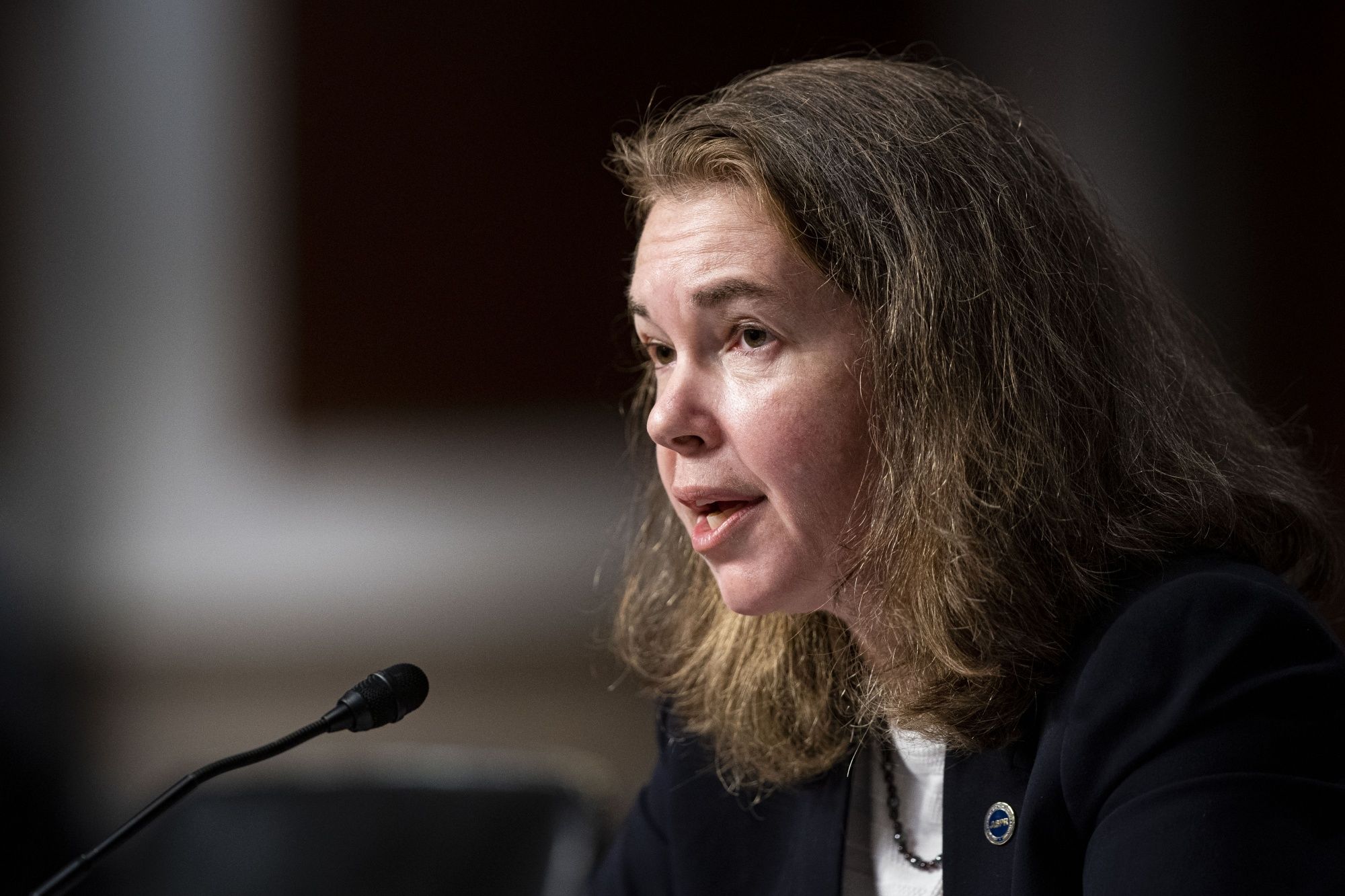
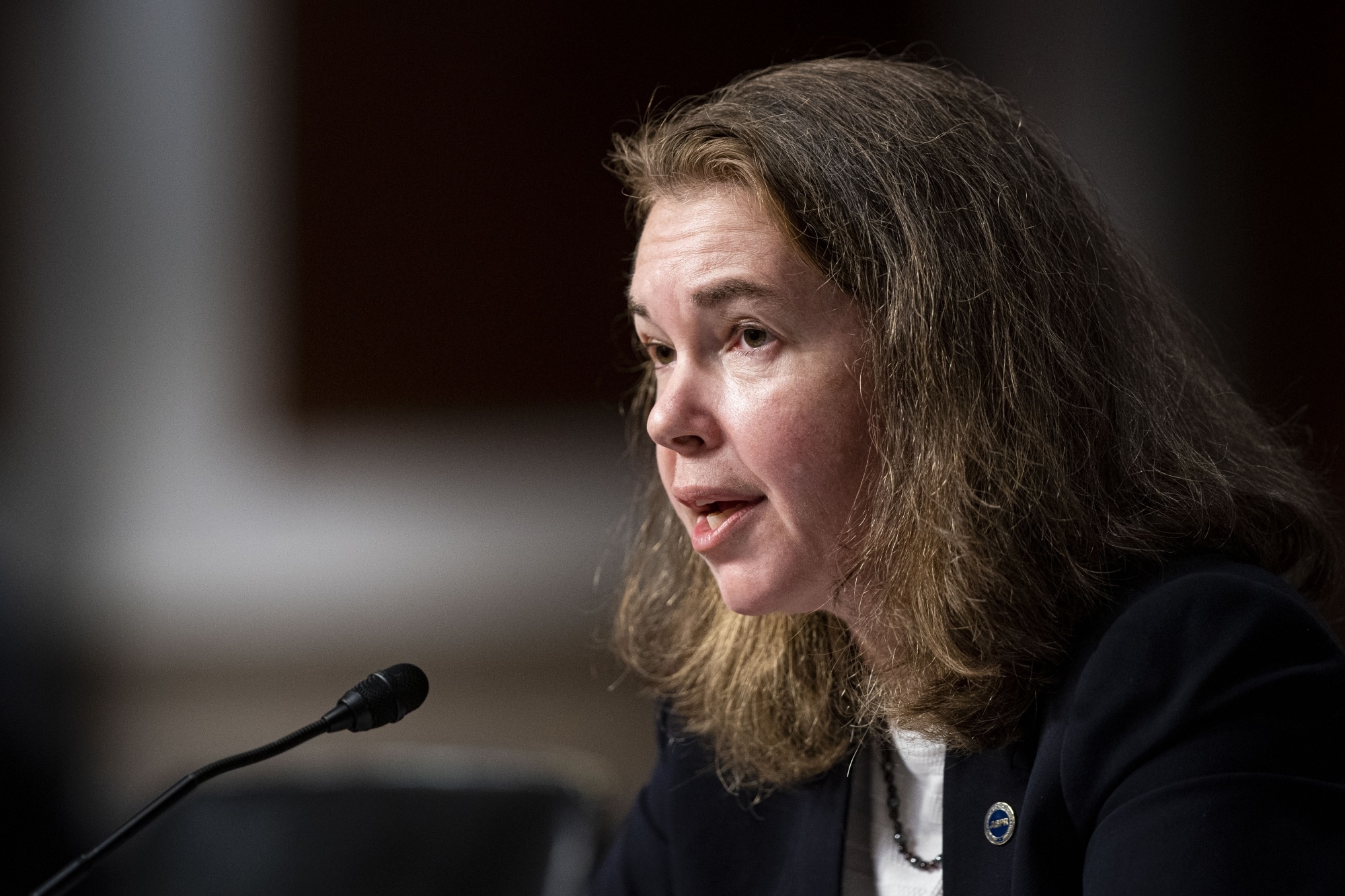
“BARDA's support helps ensure success in doubling the capacity available to fill and finish this vaccine, improves preparedness for smallpox bioterrorism, and strengthens the security of the US supply chain,” Dawn O'Connell, who heads HHS's Administration for Strategic Preparedness and Response, said in a statement. Domestic production will speed up availability of the vaccine, a top priority for the administration, she said.
Monkeypox has quickly spread around the world to infect more than 47,000 people, and about 1.7 million Americans are at high risk of catching it, health officials estimate. The outbreak has been concentrated among men who have sex with men and spreads through close, intimate contact. Meanwhile, demand for Bavarian Nordic's Jynneos vaccine has forced the Danish company to consider outsourcing production to international partners.
Filling and finishing vials is one of the final stages in preparing vaccines for use, and can sometimes represent a bottleneck in processing. After the Biden administration told Bavarian Nordic it would need to work with a US-based manufacturer to help complete an order of more than 2 million vaccines, the company said on Aug. 18 it had selected Grand River for the job.
“We continue to build on our efforts to secure and make safe and effective vaccines readily available,” HHS Secretary Xavier Becerra said in the statement. “This new agreement solidifies a domestic manufacturing capability that will bring us more vaccine sooner to end this outbreak.”
Technology transfer is already underway at Grand River and federal officials expect production to begin within three months, expediting a process that usually takes up to nine months. The Biden administration has worked directly with suppliers to rapidly acquire equipment and materials for production, such as vials, disposable bags and tubing that have also been needed to make vital Covid vaccines, said BARDA Director Gary Disbrow.
“We are happy to play our part and are proud to be in a position to support Bavarian Nordic and the US government with the monkeypox outbreak response,” Tom Ross, Grand River's chief executive officer, said in an email. “GRAM is putting forth all efforts possible to accelerate the manufacturing of the vaccine.”
Focus will initially be on finishing the 2.5 million vials ordered in July, but it's possible additional manufacturing could happen if needed. Any extra vaccines would be stockpiled for future health emergencies or given to countries with low supply.
O'Connell's agency has been working to bolster domestic manufacturing capacity needed to swiftly respond to health emergencies in the US. It has funneled nearly $6.9 billion into securing the raw materials needed to produce therapeutics, diagnostic tests and vaccines, according to the statement.
Grand River has also helped fill and finish Covid vaccines through Operation Warp Speed. In April, the company signed a multiyear contract with HHS to fund an expansion of its fill-and-finish facilities.
Monkeypox cases have begun slowing in some major US cities such as New York and San Francisco, and health officials said Friday they're cautiously optimistic about what that means for the outbreak.
More stories like this are available on bloomberg.com
©2022 Bloomberg L.P.

-
'Never Seen This Level Of Negativity': Sandeep Tandon Says The Next Rally May Be Closer Than You Think

Veteran investor Sandeep Tandon says foreign selling is easing, large-caps are due a comeback and mid-caps are crowded, while he turns positive on gold, power and pharma this Diwali.
-
Indians Stay With Family, Not In Hotels | The Reason Why
India still lacks enough clean, reliable and affordable hotels for budget-conscious travellers.
-
The Economic Imperative: Analysing The Material Driving Force Behind India-Canada Strategic Reset
This economic complementarity is further reinforced by deep institutional investment ties and talent mobility, which form the bedrock of the bilateral framework.
-
Medicine Pricing: Where Must Profit Stop?
India must confront excessive margins, hidden incentives and regulatory gaps that threaten the integrity of medicine.
-
Why Amazon And Flipkart Are Struggling To Beat Meesho In India's Smaller Cities
With 274 million users and lowest-cost logistics, Meesho is defending its value commerce crown against giants like Amazon and Flipkart.
-
High US Salaries, No Green Card Certainty: The Financial Calculation Facing Indian H-1B Families
The suspension of PERM processing at eight technology employers does not cancel existing H-1B visas. What it does is force a question many Indian families have been avoiding: is the US salary worth tying your career and family plans to one employer?
-
Swiggy vs Eternal: Food Delivery's Two Rivals Are No Longer In The Same Race
Eternal is building a private AI assistant, dark.ai. Swiggy is still working out how to make Instamart pay, with an operating loss of Rs 895 crore in the July-September quarter while Blinkit stayed profitable.
-
Where You Live Shapes How You Get To Work | The Reason Why
Two-wheelers are the most popular way to get to work in India, accounting for nearly 43% of workplace commutes.
-
Unhedged Position: Can India See An Indonesia-Style Time Correction?
The Nifty is trading below levels it first clocked in 2024. Is there, then, as I have suggested in the headline, potential that the current time correction drags on painfully for the next three-five, even ten years?
-
Navigating Friction And Energy Realities: An Analysis Of Marco Rubio's October Visit To India
Occurring at a critical juncture marked by stalled trade negotiations and escalating geopolitical pressures over global energy supplies, the visit offers a profound window into modern US-India relations.










