In RBI Vs Government, What Section 7 Is And Why It's Taken Centrestage
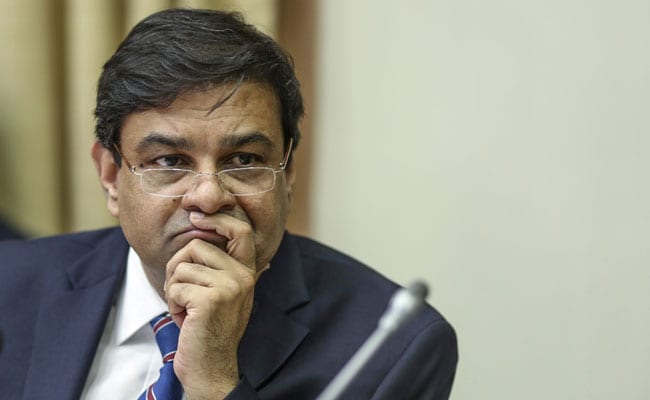
The government has cited a never-used legal provision in trying to resolve disagreements with the central bank, which could lead it to direct the monetary authority to do its bidding if invoked, people with knowledge of the matter said. The central bank has received letters from the government seeking Governor Urjit Patel's views on issues including its handling of weak state-run lenders, tight liquidity in the market, and resolving bad loans at power generators, the people said, asking not to be identified because they aren't authorized to talk to the media. The law cited by the government is Section 7 (1) of the Reserve Bank of India Act, according to the people.
Section 7 of the Reserve Bank of India Act:
(1) The Central Government may from time to time give such directions to the Bank as it may, after consultation with the Governor of the Bank, consider necessary in the public interest. (2) Subject to any such directions, the general superintendence and direction of the affairs and business of the Bank shall be entrusted to a Central Board of Directors which may exercise all powers and do all acts and things which may be exercised or done by the Bank.
The law empowers the government to consult and give instructions to the governor to act on certain issues that the state considers to be in public interest. The letters prompted Deputy Governor Viral Acharya's hard-hitting speech on Friday, in which he warned that toying with the central bank's independence could lead to dire consequences, the people said.
Representatives at the Reserve Bank weren't immediately available for comment. Economic Affairs Secretary Subhash Chandra Garg declined to comment, while Finance Secretary Hasmukh Adhia said it was for the Department of Economic Affairs to clarify on Section 7 of the law.
Why Government and Central Bank Are Feuding: QuickTake
The letters are the latest flare-up in a dispute between the central bank and the government. The RBI under Patel has been pushing for more powers to clean up a banking system saddled with bad debts. It has put lending curbs on some weak state-run banks, while the government -- facing an election early next year -- wants to ensure banks continue to lend to boost economic growth.

"The blame game can continue," Sonal Varma, chief India economist at Nomura Inc., told Bloomberg Television. "India cannot afford these mistakes. The last thing India needs is to spoil the macro picture with this rift."
Central banks around the world are facing heat from political leaders. US President Donald Trump expressed his unhappiness with the Federal Reserve's pace of tightening while Turkey's leader Recep Tayyip Erdogan attacked his country's central bank for rate hikes.

The dispute between RBI and the government has been simmering for a few months now. It has come out in the open at a time when the economy -- currently the world's fastest-expanding major one -- is facing risks from elevated oil prices, a weak currency and a crisis in the shadow banking sector.
On Tuesday, Finance Minister Arun Jaitley blamed the RBI for huge bad debt pile up, saying it "looked the other way" while banks were allowed to lend indiscriminately in the aftermath of the global financial crisis. While those criticisms refer to events before Patel was governor, they can also be viewed as a counter to Acharya's comments.
ET Now said on Wednesday that if the Reserve Bank refused to act on liquidity constraints, the government will not shy away from taking steps against it. The channel didn't identify the people for the information.
"I am not expecting the rift between the RBI and the government to widen, though prolonged tensions cannot be fully ruled out considering the political angle to it in the run up to the general elections," said Prakash Sakpal, an economist at ING Bank NV in Singapore.

-
Getting To Work Costs Women More | The Reason Why

It is not just about women paying more than men. It is about women paying much more in cities than in villages.
-
AI Bias In Investing Cannot Be Eliminated, But It Can Be Governed
Framing is a particularly important example as identical financial information presented in terms of gains rather than losses can lead an LLM to reach a different assessment.
-
Joining The Dots | Dark Skies, Steady Diya: Why Hope Holds This Diwali
With war, a weak rupee and foreign outflows weighing on sentiment, policymakers at the NDTV World Summit and market veterans at NDTV Profit Ignite: Diwali Edition offered the same advice: stay invested and filter out the noise.
-
The Curious Case of Equitas Small Finance Bank And A CEO Who Quit For Stock
PN Vasudevan believes persistent investor concerns over a perceived conflict of interest had become a governance overhang on Equitas Small Finance Bank's stock, even as the lender improved profitability and asset quality.
-
Talking Points This Week: AI Cash Burn, A Tiger Comeback And An India That Still Finds Its Own Path
India is not immune to higher oil or tighter global liquidity, yet its earnings base is broader, its domestic policy levers are still available.
-
Foreign Investors Own Half Of HDFC Bank and ICICI Bank. An LTCG Cut Could Matter Most Here
Foreign portfolio investors have US$115 billion parked in HDFC Bank, ICICI Bank. If the government cuts long-term capital gains tax, Jefferies says returning foreign money could land here first.
-
'Never Seen This Level Of Negativity': Sandeep Tandon Says The Next Rally May Be Closer Than You Think
Veteran investor Sandeep Tandon says foreign selling is easing, large-caps are due a comeback and mid-caps are crowded, while he turns positive on gold, power and pharma this Diwali.
-
Indians Stay With Family, Not In Hotels | The Reason Why
India still lacks enough clean, reliable and affordable hotels for budget-conscious travellers.
-
The Economic Imperative: Analysing The Material Driving Force Behind India-Canada Strategic Reset
This economic complementarity is further reinforced by deep institutional investment ties and talent mobility, which form the bedrock of the bilateral framework.
-
Medicine Pricing: Where Must Profit Stop?
India must confront excessive margins, hidden incentives and regulatory gaps that threaten the integrity of medicine.










