Mastercard CFO Sachin Mehra Diagnosed With Cancer, Will Continue Working
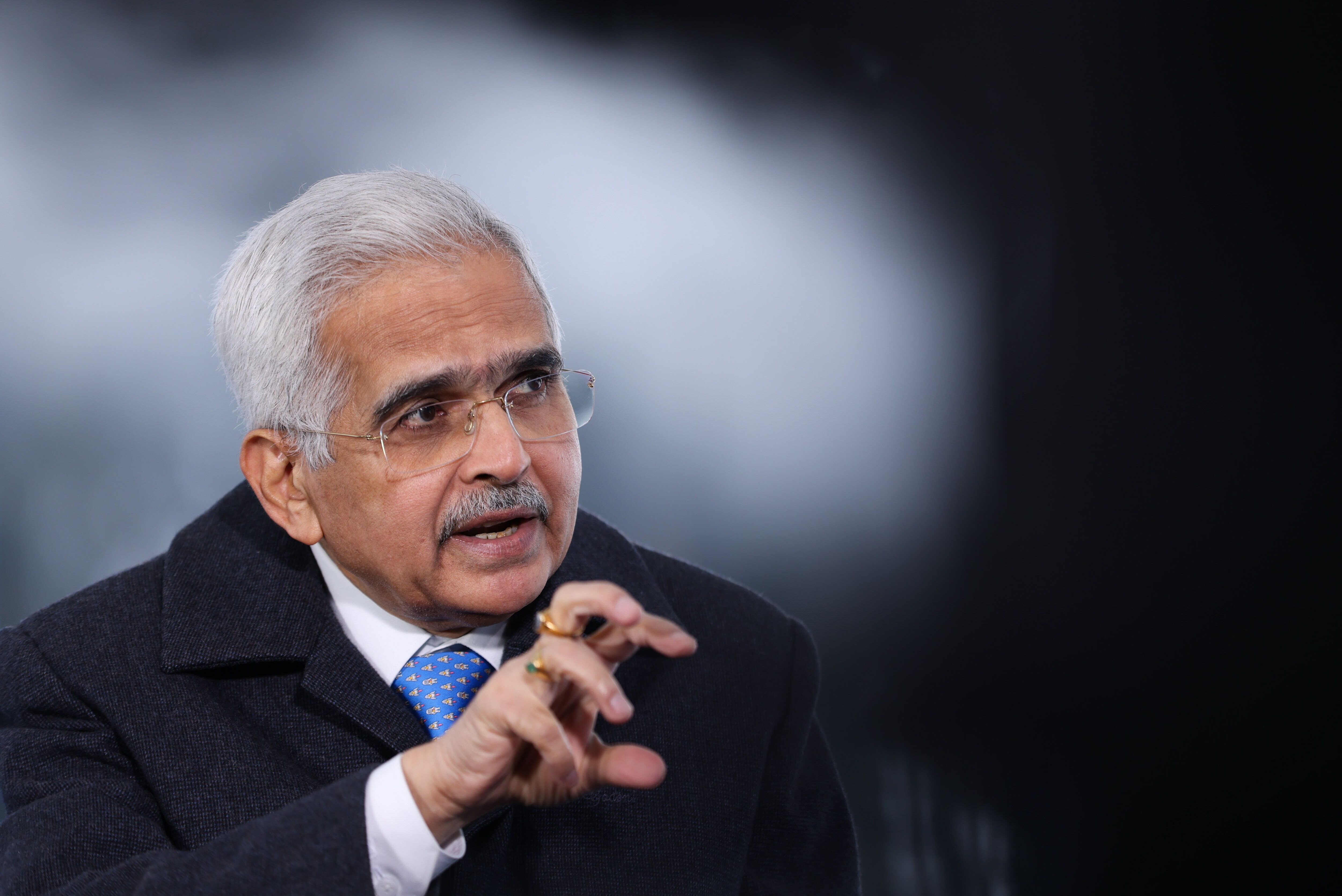
(Bloomberg) -- Mastercard Inc. Chief Financial Officer Sachin Mehra will undergo treatment for non-Hodgkin lymphoma while remaining actively involved in the payments firm's daily operations.
Mehra's blood cancer “was detected very early, with scans and biopsies indicating it is highly localized and curable,” Mastercard said in a statement Monday. His long-term prognosis is “excellent,” the company said.
Mehra joined Mastercard in 2010 and became the firm's top financial official in April of 2019, according to a company biography. He has been “instrumental in shaping the company's growth and transformation efforts” after occupying several roles across the business, including corporate treasurer, according to the firm.
Mehra, who also sits on the board of Salesforce Inc., will be working remotely for “the coming months,” Mastercard said.
Top banking executives have a long history of continuing to work during treatment after receiving cancer diagnoses. Barclays Plc Chief Executive Officer C.S. Venkatakrishnan oversaw the firm from home during three months of treatment for non-Hodgkin lymphoma, then immediately returned to the office last year. Lloyd Blankfein ran Goldman Sachs Group Inc. while undergoing chemotherapy for lymphoma in 2015.

-
The More Food Turns Into Fuel, The Harder It Is To Read Agricultural Markets | The Reason Why

A policy designed to reduce dependence on imported fuel can create new pressures elsewhere in the food economy.
-
Your iPhone Costs 12 Grams Of Gold, A Car About 100. What Does Your Life Weigh?
Measured in rupees, almost everything looks more expensive than it did a generation ago. Measured in grams of gold, a lot of it has become cheaper.
-
Gold Is Rs 22,000 Cheaper Than A Month Ago. Should You Buy Amid The Wedding Season?
Gold's potential slide to $3,500 could save around Rs 4,700 per 10 grams, but a soft inflation print could just as easily push prices back up. One way to split the risk is to buy in parts, some now and the rest after the Fed's Dec. 9 decision.
-
AI Agents Are Gaining Power. Who Governs Them?
Artificial intelligence agents promise to transform productivity by moving machines from assisting decisions to executing them. But as organisations delegate greater authority to these AI-agents, they must first establish who controls that authority and who remains accountable when things go wrong.
-
Why Swapping Your Old Gold Can Trigger A Rs 5 Lakh Tax Bill, And How You Can Avoid It Legally
Swapping old gold for new is taxed as a sale and a fresh purchase. Getting your own gold remade can cut most of that bill, though it has its own costs.
-
The AI Trade is Done. The Real Opportunity for Investors Starts in 2027 | Unhedged Position
As pureplay AI stocks plunge and circular, capex-led financing unwinds, 2027 is set to be a year of reckoning for AI companies. Yet the bust clears the way for a better opportunity for investors in 2027 -- shifting the spotlight from AI builders to the companies using AI.
-
Leadership As Mission: Why The Age Of AI Demands More Human Leadership
Debjani Ghosh examines how AI is changing leadership, arguing that its success must be measured by its impact on people and the accountability of those guiding its use.
-
We May Need Another Tukaram Mundhe To Fight Air Pollution | The Reason Why
Developers may install basic measures such as sprinklers and green nets, resume work, and continue violating rules when this equipment stops working.
-
Extracting Value From Battery Scrap Could Be Challenging For India | The Reason Why
A discarded lithium-ion battery still contains valuable materials such as lithium, nickel and cobalt. These can be recovered and reused. When such batteries are crushed and shredded, they produce a dark powder called black mass.
-
One El Nino, India Can Handle. Two Could Break The Granary
India's grain stocks can absorb one bad year, but a second El Nino could drain the buffer in two to three years, economists say.









