Maruti Gathers Pace In LCV Segment; Super Carry Sales Jump 10-fold
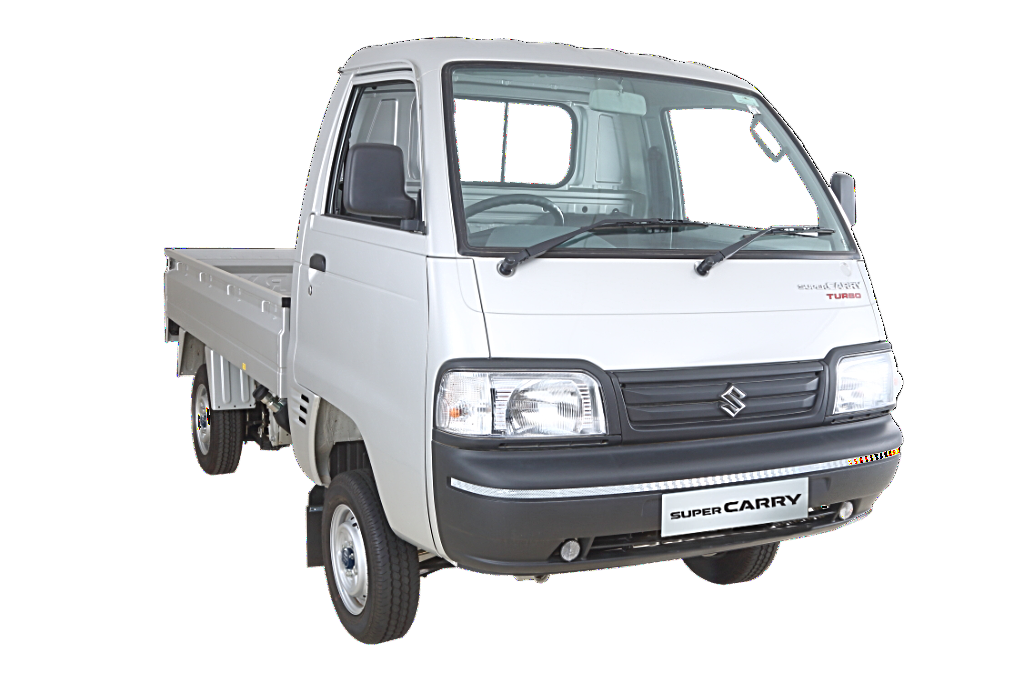
Maruti Suzuki India (MSI) is quietly gaining presence in the light commercial vehicle (LCV) space with its Super Carry mini-truck registering over ten-fold jump in sales in 2017-18.
The company, which launched Super Carry in September 2016, sold 10,033 units of the model in the fiscal ended March 31, 2018, as against just 900 units in 2016-17.
MSI had taken a slow and steady approach in terms of expanding in the 700 kg payload mini truck segment, where it competes with Tata Ace, M&M Supro and Piaggio Porter.
Starting LCV sales in 2016 in select cities, the company has expanded across the country to over 190 sales outlets at the end of March 2018, a spokesperson of MSI said.
"This pan India spread of sales network in 159 cities, combined with excellent product response helped us sell an average of over 1,000 units a month in the past 6 months," the spokesperson said, adding that positive feedback from customers also helped in higher volumes of sales.
Also Read: Maruti Suzuki's Suppliers Under Pressure
In the beginning of this year, Super Carry was available in 162 new commercial outlets in 140 cities in 25 states.
When the vehicle was launched in 2016, MSI had started with three cities -- Ahmedabad, Kolkata and Ludhiana.
Earlier this year, the company said it planned to be present across India at all potential locations with an aim to be a significant player in the segment in future.
MSI, however, has a long way to catch up with segment leader Tata Motors, which sold 14,286 units of ACE range of mini trucks in March alone.
In contrast, MSI sold 1,412 units of the Super Carry in the same month.
Apart from selling the mini truck in India, the company also exports the vehicle to select African nations such as South Africa and Tanzania.
Launching of Super Carry LCV in India was part of MSI's original agreement with parent Suzuki in 1982 but it was shelved due to poor response from the market at that time.

-
The Economic Imperative: Analysing The Material Driving Force Behind India-Canada Strategic Reset

This economic complementarity is further reinforced by deep institutional investment ties and talent mobility, which form the bedrock of the bilateral framework.
-
Medicine Pricing: Where Must Profit Stop?
India must confront excessive margins, hidden incentives and regulatory gaps that threaten the integrity of medicine.
-
Why Amazon And Flipkart Are Struggling To Beat Meesho In India's Smaller Cities
With 274 million users and lowest-cost logistics, Meesho is defending its value commerce crown against giants like Amazon and Flipkart.
-
High US Salaries, No Green Card Certainty: The Financial Calculation Facing Indian H-1B Families
The suspension of PERM processing at eight technology employers does not cancel existing H-1B visas. What it does is force a question many Indian families have been avoiding: is the US salary worth tying your career and family plans to one employer?
-
Swiggy vs Eternal: Food Delivery's Two Rivals Are No Longer In The Same Race
Eternal is building a private AI assistant, dark.ai. Swiggy is still working out how to make Instamart pay, with an operating loss of Rs 895 crore in the July-September quarter while Blinkit stayed profitable.
-
Where You Live Shapes How You Get To Work | The Reason Why
Two-wheelers are the most popular way to get to work in India, accounting for nearly 43% of workplace commutes.
-
Unhedged Position: Can India See An Indonesia-Style Time Correction?
The Nifty is trading below levels it first clocked in 2024. Is there, then, as I have suggested in the headline, potential that the current time correction drags on painfully for the next three-five, even ten years?
-
Navigating Friction And Energy Realities: An Analysis Of Marco Rubio's October Visit To India
Occurring at a critical juncture marked by stalled trade negotiations and escalating geopolitical pressures over global energy supplies, the visit offers a profound window into modern US-India relations.
-
India Exports Capital. Why Not Export Trusteeship?
The big question, then, is whether India can build an institution that global borrowers, investors, banks, and lawyers can trust, even without an Indian connection.
-
France's Economy & Politics Are In Crisis | The Reason Why
Let's look at how the French economy and politics evolved under Nicolas Sarkozy, Franois Hollande and Emmanuel Macron.










