Major Traders, Banks Cut Business Ties With Russia-Backed Refiner: Report
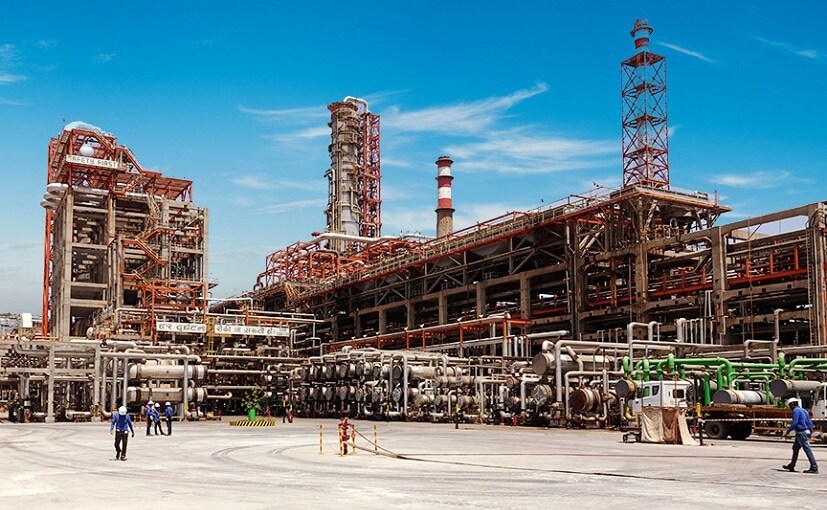
Many global oil traders and banks have stopped dealing with refiner Nayara Energy, a Rosneft affiliate, as they are worried about Western sanctions over Russia's invasion of Ukraine, two people with knowledge of the matter told Reuters.
Nayara per se has not been sanctioned as part of the international response to what Russia calls its "special military action" against Ukraine but sanctions are in place against Rosneft.
The Russian energy giant owns about 49% of Nayara which is India's second-largest private refiner, while Kesani Enterprises Co Ltd, a consortium led by Trafigura Group and Russia's UCP Investment Group, holds 49.13%.
Most trading firms including Vitol and Glencore as well as producers in Canada, Latin America and Europe have declined to directly sell crude to Nayara, according to one of the people.
The sources were not authorised to speak to the media and declined to be identified.
They said Nayara was now dependent on state-run Middle Eastern producers, Chinese traders, companies supplying Russian oil as well as local crude oil producers for its 400,000 barrels per day Vadinar refinery in western Gujarat state.
"It is increasingly becoming difficult for the company," said one of the sources, adding that it has been unable to hedge for cracks and inventory.
Companies that have declined to deal with Nayara include Phillips 66, Occidental Petroleum Corp, Cepsa, Equinor, Gunvor, Koch, Petrogal, Respsol, Shell, Suncor Energy, Ecopetrol and TotalEnergies, the second person said.
Banks and other firms that have refused to work on new hedging positions for Nayara include Citigroup, Morgan Stanley, BNP Paribas, JPMorgan, France's Engie as well as the core banking units of Mitsubishi UFJ Financial Group and Sumitomo Mitsui Financial Group, they said.
The trading firms, companies and banks either declined to comment or did not respond to Reuters emails seeking comment.
Nayara, which accounts for 8% of India's refining capacity, said it had longstanding relationships with its suppliers, works with a diverse set of suppliers and has appropriate contracts for the purchase of crude oil.
"Apart from honouring the long- and shorter-term contracts, our suppliers are also offering, and we pick up crudes on a spot basis on competitive terms," it said in an emailed statement.
Nayara has been a key buyer of Russian oil, snapping up the discounted product shunned by some western companies and countries. The higher intake of Russian oil and improved product cracks helped Nayara's quarterly profit climb to a record 35.6 billion Indian rupees ($446 million) in April-June.
Those results, however, mask concerns about its operating environment.
Some foreign banks and HDFC Bank have stopped offering trade credits for oil imports, banking and industry sources told Reuters in April.
India's CARE Ratings has also placed Nayara's long-term ratings on 'credit watch with negative implications' due to sanctions against Moscow.
Some of Nayara's top management officials including its chief financial officer have left the company since Western nations began to impose sanctions on Russia. The company has not elaborated on the reasons for the departures.
(Except for the headline, this story has not been edited by NDTV staff and is published from a syndicated feed.)

-
We May Need Another Tukaram Mundhe To Fight Air Pollution | The Reason Why

Developers may install basic measures such as sprinklers and green nets, resume work, and continue violating rules when this equipment stops working.
-
Extracting Value From Battery Scrap Could Be Challenging For India | The Reason Why
A discarded lithium-ion battery still contains valuable materials such as lithium, nickel and cobalt. These can be recovered and reused. When such batteries are crushed and shredded, they produce a dark powder called black mass.
-
One El Nino, India Can Handle. Two Could Break The Granary
India's grain stocks can absorb one bad year, but a second El Nino could drain the buffer in two to three years, economists say.
-
India's Troika Of Good Luck | Joining The Dots
As Jensen Huang's exit drags Nvidia down, a cooling AI trade and resilient earnings have revived investor interest in India. A likely RBI rate hike looms.
-
Talking Points This Week: Leadership Shock At Nvidia, Earnings Strength, And The Fog Over Hormuz
The Anthropic IPO pricing and first trading day, Nvidia's upcoming earnings, and any fresh signals from Iran will set the tone for the following week.
-
Signature Play: The Classic Cocktail Is Dead. Or Is It?
Classic cocktails are disappearing from India's cocktail menus. But they're still being ordered, taught to bartenders and borrowed from. So, who's really having the last drink?
-
A New Samvat Wishlist: Inclusive Prosperity And Human Development
India has strengthened its economic foundations through infrastructure, digital access and enterprise. Its next growth chapter must deepen productivity, create better livelihoods and widen participation in prosperity.
-
Love, Sex Aur Dhokha: The Audacious Plot To Spy On Jensen Huang
A Taipei dinner, a Singapore chip buyer and a suspected Chinese asset: inside the alleged spy operation that got close to NVIDIA's Jensen Huang.
-
Ten Things I Learnt This Samvat
Patience can be a trap. Cheap stocks can stay cheap. Leverage can wipe you out. What did Samvat 2082 teach us? Niraj Shah writes on 10 lessons from the year gone by.
-
Talking Points This Week: Tech Nerves, FII Buying, And A Faraway Banking Shock
The global markets are not shining this Diwali. The exception in the large markets is, India.









