Airlines Say In-Flight WiFi And Voice Services Will Add To Costs
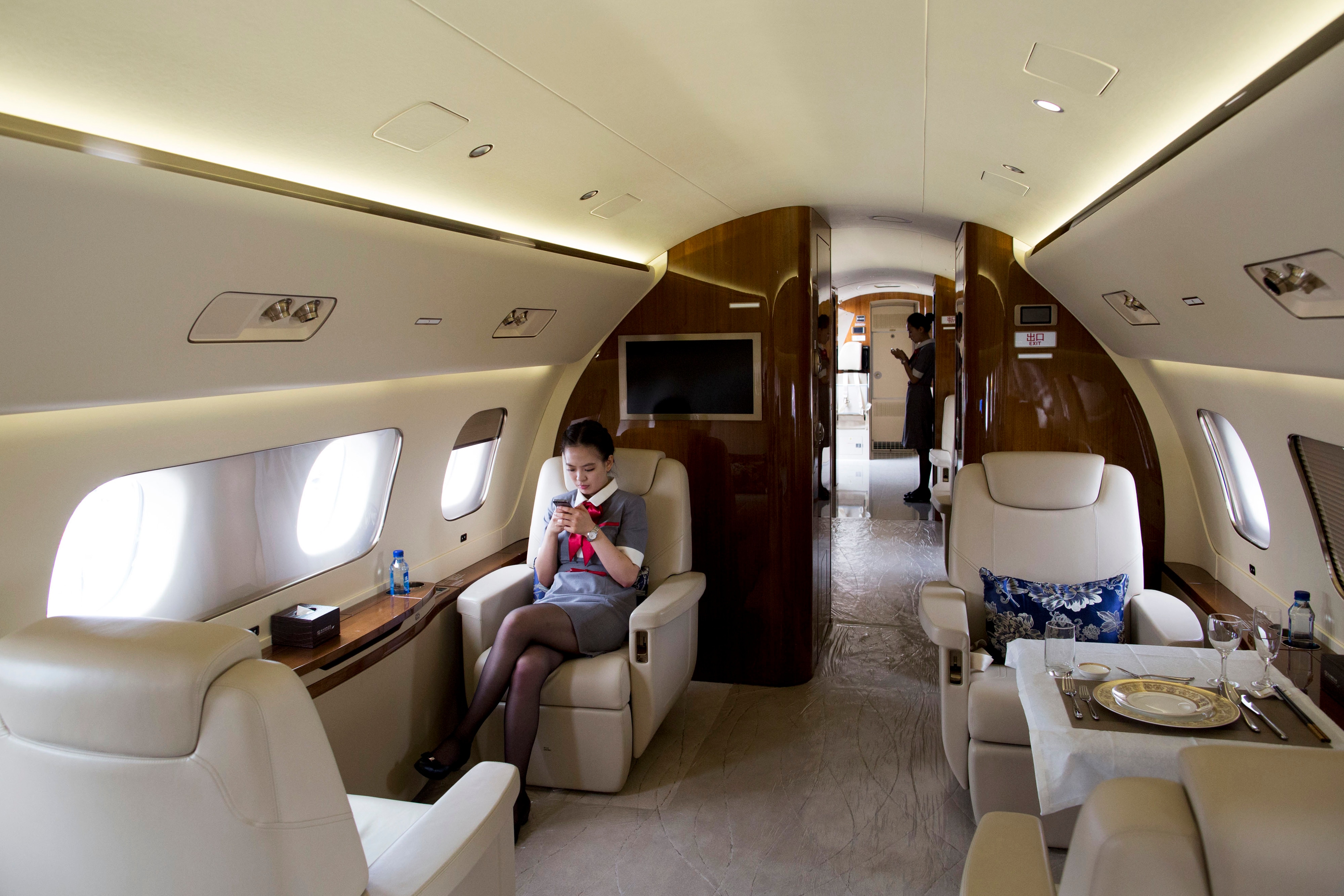
Major airlines, including Air India and Vistara, welcomed the Telecom Commission's nod for use of WiFi and voice services in-flight, with Civil Aviation Minister Suresh Prabhu saying he will ensure “earliest implementation” of the proposal.
When the decision comes into effect in about three to four months, passengers can use mobile phones for both voice and data services in Indian airspace in domestic and international flights. However, a few in the aviation industry, including a senior-level officer of a low-cost airline, were not enthused, citing the expenditure involved in implementing the technology necessary for enabling in-flight WiFi services.
“We welcome the decision as it will mean more convenience to air travellers. We will study the recommendations in details and in due course determine the economics of offering on domestic and international route,” Vistara, which is gearing up for international operations, said in a statement.
But an official of a leading private carrier, speaking on condition of anonymity, said that providing the facility may not be a viable option given the high cost involved.
He said airlines will have to retrofit the in-flight connectivity equipment on the fuselage and this technology is expensive. The charges may not be recoverable from passengers in short-haul flights, he added, indicating that in-flight WiFi services would be a better option on long-haul routes.
However, the major takeaway from the decision is access to net connectivity and internet access which can be provided once the aircraft is ready for take-off.
Prabhu said he will ensure “earliest implementation” of the proposal as the government remains committed to improving services of air passengers and making their travel delightful and hassle-free.
“Providing passenger amenities have been the endeavour of the Narendra Modi government. We are constantly upgrading our services. This (decision) will go a long way in making sure people will use flying time more productively and efficiently,” the civil aviation minister said in a video message from South Africa.
“This move will also help so many hours not being wasted which would be fruitfully and gainfully,” he added, describing the move as “exciting times ahead in Indian skies”.
Minister of State for Civil Aviation Jayant Sinha wrote on Twitter, “Approval for Voice & Data services in Indian airspace has been granted by the @TRAI. We are a step closer for fliers to access & use mobile services in-flight. Enhancing passenger experience in the aviation ecosystem has always been at the forefront for @MoCA_GoI. @DoT_India.”
According to Amber Dubey, partner and India head of aerospace and defence at global consultancy KPMG, passengers may not be averse to paying Rs 200-300 for a 2-3 hour flight and it could be more for international flights. “Premium and corporate passengers may get the service free,” he told PTI.
In 12-24 months, the WiFi service may become completely free like it is in hotels, Dubey said. For airlines, it may provide alternate revenue opportunity to airlines through advertisements and fee from online transactions.
“Overall, it's a great move albeit a bit late,” he added.
Dubey, however, felt airlines would find it difficult to ground the aircraft for retrofitting with necessary equipment. This may be easier to implement through new aircraft deliveries.
The Telecom Commission's approval is a win-win situation both for the airline and the travellers in general and we welcome it, said an Air India spokesperson, stating that they are analysing the announcement made in detail before commenting further on the issue. Both IndiGo and SpiceJet said they are also studying the matter in detail before making any comments.

-
The Economic Imperative: Analysing The Material Driving Force Behind India-Canada Strategic Reset

This economic complementarity is further reinforced by deep institutional investment ties and talent mobility, which form the bedrock of the bilateral framework.
-
Medicine Pricing: Where Must Profit Stop?
India must confront excessive margins, hidden incentives and regulatory gaps that threaten the integrity of medicine.
-
Why Amazon And Flipkart Are Struggling To Beat Meesho In India's Smaller Cities
With 274 million users and lowest-cost logistics, Meesho is defending its value commerce crown against giants like Amazon and Flipkart.
-
High US Salaries, No Green Card Certainty: The Financial Calculation Facing Indian H-1B Families
The suspension of PERM processing at eight technology employers does not cancel existing H-1B visas. What it does is force a question many Indian families have been avoiding: is the US salary worth tying your career and family plans to one employer?
-
Swiggy vs Eternal: Food Delivery's Two Rivals Are No Longer In The Same Race
Eternal is building a private AI assistant, dark.ai. Swiggy is still working out how to make Instamart pay, with an operating loss of Rs 895 crore in the July-September quarter while Blinkit stayed profitable.
-
Where You Live Shapes How You Get To Work | The Reason Why
Two-wheelers are the most popular way to get to work in India, accounting for nearly 43% of workplace commutes.
-
Unhedged Position: Can India See An Indonesia-Style Time Correction?
The Nifty is trading below levels it first clocked in 2024. Is there, then, as I have suggested in the headline, potential that the current time correction drags on painfully for the next three-five, even ten years?
-
Navigating Friction And Energy Realities: An Analysis Of Marco Rubio's October Visit To India
Occurring at a critical juncture marked by stalled trade negotiations and escalating geopolitical pressures over global energy supplies, the visit offers a profound window into modern US-India relations.
-
India Exports Capital. Why Not Export Trusteeship?
The big question, then, is whether India can build an institution that global borrowers, investors, banks, and lawyers can trust, even without an Indian connection.
-
France's Economy & Politics Are In Crisis | The Reason Why
Let's look at how the French economy and politics evolved under Nicolas Sarkozy, Franois Hollande and Emmanuel Macron.










