Mahindra Clarifies On Reports Of Stake Purchase In Volkswagen’s India Unit
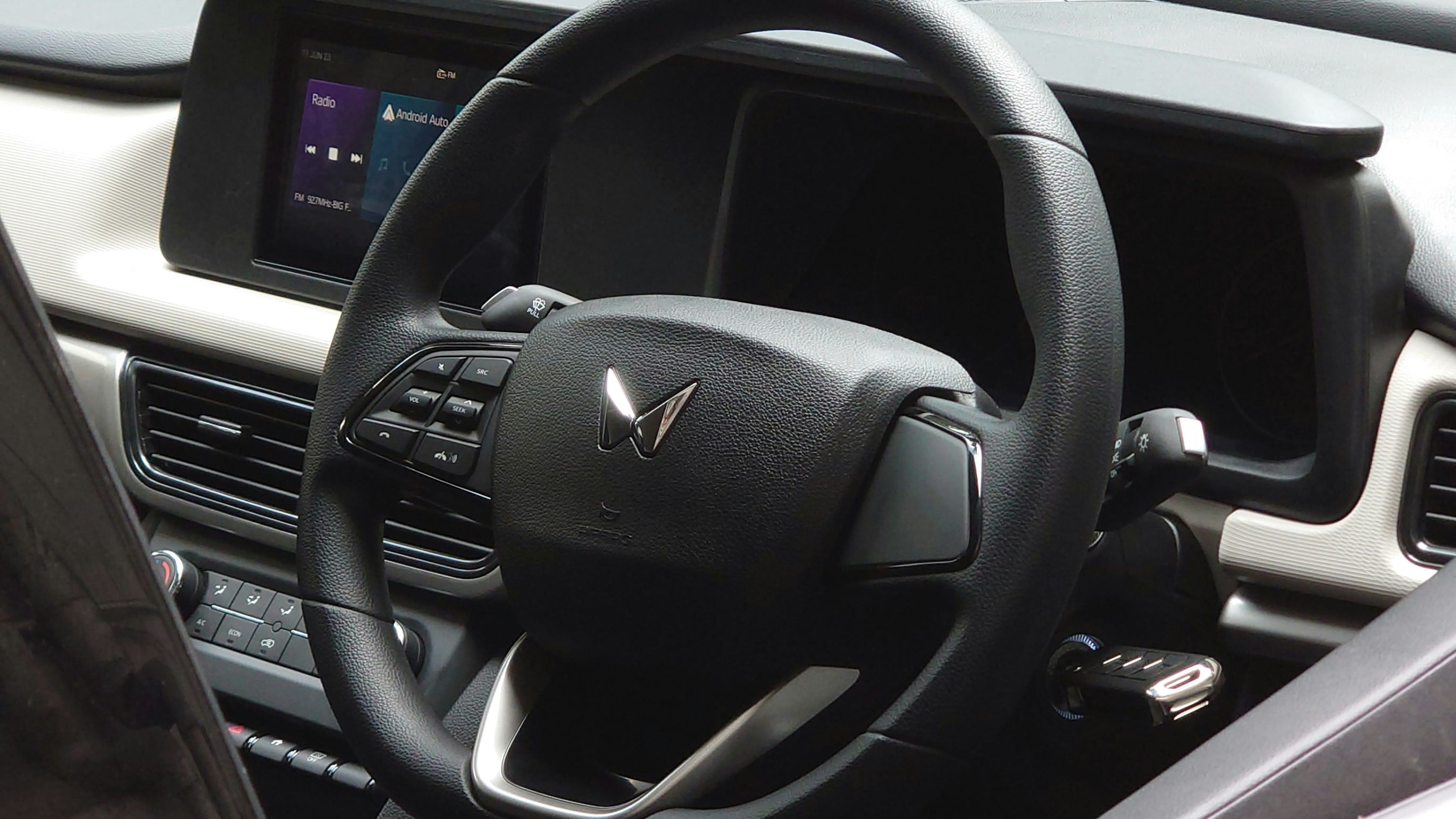
Mahindra & Mahindra Ltd. has clarified its stand on reports suggesting that India's largest SUV maker by revenue is looking to acquire a stake in a local unit of Volkswagen AG.
“Mahindra & Mahindra and VW Group continue to explore multiple opportunities to expand the collaboration potential,” according to an exchange filing on Monday. “In case there are any concrete outcomes…appropriate disclosures will be made in a timely manner.”
On Monday, Autocar Professional reported that the senior management of Skoda Auto are currently in India for an important meeting to define the contours of an agreement which would see M&M acquire a stake in Skoda Auto Volkswagen India—the local unit of Europe's largest carmaker. M&M, according to the report, is keen on acquiring a 50% at a valuation of $800 million to $1 billion. M&M has insisted on a 50% stake, similar to their former agreement with Ford Motor Co. Otherwise, the deal is a non-starter.
To be sure, M&M and VW are already in an alliance for electric mobility.
In February 2024, the two automakers signed a supply agreement for EV components that will see the Scorpio maker equip a certain range of its so-called INGLO platform with the electrickery from Volkswagen's MEB chassis. The deal includes supply of certain electrical components and unified cells.
The MEB chassis—or modular electric drive matrix—forms the underpinnings of VW brands such as Audi and Skoda, as well as its ‘ID' range of electric cars. INGLO, which is short for ‘Indian at Heart, Global in Reach', has been designed specifically for M&M's “born electric” range of SUVs that will break cover in early 2025.
M&M and Volkswagen had first entered into a partnership in 2022 to use the German's EV components like motors, battery systems and cells. This multi-year supply agreement makes M&M VW's first external partner to use the unified cell technology.

-
India's Troika Of Good Luck | Joining The Dots

A weaker Trump, a cooling AI trade and resilient earnings have put Indian markets back in favour. Rising inflation could spoil the party.
-
Talking Points This Week: Leadership Shock At Nvidia, Earnings Strength, And The Fog Over Hormuz
The Anthropic IPO pricing and first trading day, Nvidia's upcoming earnings, and any fresh signals from Iran will set the tone for the following week.
-
Signature Play: The Classic Cocktail Is Dead. Or Is It?
Classic cocktails are disappearing from India's cocktail menus. But they're still being ordered, taught to bartenders and borrowed from. So, who's really having the last drink?
-
A New Samvat Wishlist: Inclusive Prosperity And Human Development
India has strengthened its economic foundations through infrastructure, digital access and enterprise. Its next growth chapter must deepen productivity, create better livelihoods and widen participation in prosperity.
-
Love, Sex Aur Dhokha: The Audacious Plot To Spy On Jensen Huang
A Taipei dinner, a Singapore chip buyer and a suspected Chinese asset: inside the alleged spy operation that got close to NVIDIA's Jensen Huang.
-
Ten Things I Learnt This Samvat
Patience can be a trap. Cheap stocks can stay cheap. Leverage can wipe you out. What did Samvat 2082 teach us? Niraj Shah writes on 10 lessons from the year gone by.
-
Talking Points This Week: Tech Nerves, FII Buying, And A Faraway Banking Shock
The global markets are not shining this Diwali. The exception in the large markets is, India.
-
Midterm Rally Lasted A Day. The Hard Reality Of A Divided US May Last Two Years | Opinion
Between a contested AI boom, a debt ceiling that arrives in 2027 and a president with every incentive to act alone, the next two years may prove more volatile than the first day's rally suggests.
-
Blue Wave Will Derail the AI Trade but Won't Dismantle the AI Era | Unhedged Position
The Democrats' sweep of the US Congress will see politics collide with economic forces both over the long and short term.
-
It's Time To Take The GST Council's Bet On Trust Global
Payment records can prove India's services exports, and clear, proportionate rules can bring foreign digital sellers into the tax net.









