Government To Simplify Gas Pipeline Tariff To Boost Demand
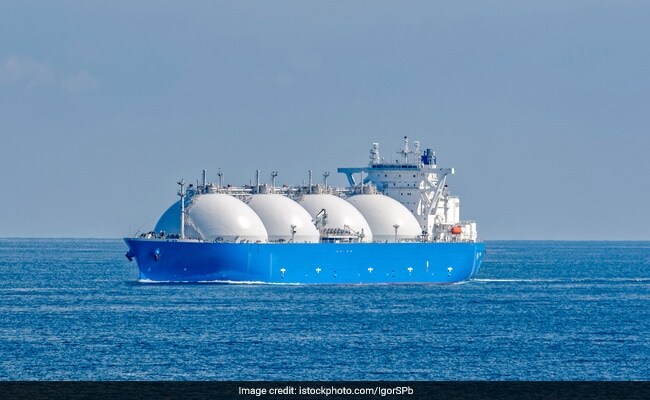
India is simplifying its gas pipeline tariff structure to make the fuel more affordable and to attract investment for building gas infrastructure in the country, oil minister Dharmendra Pradhan said on Wednesday. Prime Minister Narendra Modi has set a target to raise the share of gas in India's energy mix to 15 per cent from the current level of about 6.3 per cent to cut its carbon footprint. Use of gas is also set to rise as India wants to push local manufacturing to cut costly imports and lift its battered economy. Mr Pradhan said the new tariff structure would help to create a single gas market in the country by attracting investment to complete the gas grid and make it more easily accessible. He did not provide more details of the new pricing structure.
The oil minister said India's current "zonal" tariff rates for gas pipelines resulted in higher transportation charges and had hindered development of gas markets and demand centres in remote areas. India, the world's fourth biggest importer of liquefied natural gas (LNG), is spending $60 billion to strengthen its gas infrastructure that includes expanding the pipeline network and building gas import terminals.
"A level playing field (for tariffs) among the industries across the country will help in minimising their input cost and improve their competitiveness in global production," Pradhan, speaking at a joint webinar with International Energy Agency chief Fatih Birol, said.
He said new rationalised tariff would help to promote faster development of city gas project to connect households, industries and transport sectors with gas network.

-
We May Need Another Tukaram Mundhe To Fight Air Pollution | The Reason Why

Developers may install basic measures such as sprinklers and green nets, resume work, and continue violating rules when this equipment stops working.
-
Extracting Value From Battery Scrap Could Be Challenging For India | The Reason Why
A discarded lithium-ion battery still contains valuable materials such as lithium, nickel and cobalt. These can be recovered and reused. When such batteries are crushed and shredded, they produce a dark powder called black mass.
-
One El Nino, India Can Handle. Two Could Break The Granary
India's grain stocks can absorb one bad year, but a second El Nino could drain the buffer in two to three years, economists say.
-
India's Troika Of Good Luck | Joining The Dots
As Jensen Huang's exit drags Nvidia down, a cooling AI trade and resilient earnings have revived investor interest in India. A likely RBI rate hike looms.
-
Talking Points This Week: Leadership Shock At Nvidia, Earnings Strength, And The Fog Over Hormuz
The Anthropic IPO pricing and first trading day, Nvidia's upcoming earnings, and any fresh signals from Iran will set the tone for the following week.
-
Signature Play: The Classic Cocktail Is Dead. Or Is It?
Classic cocktails are disappearing from India's cocktail menus. But they're still being ordered, taught to bartenders and borrowed from. So, who's really having the last drink?
-
A New Samvat Wishlist: Inclusive Prosperity And Human Development
India has strengthened its economic foundations through infrastructure, digital access and enterprise. Its next growth chapter must deepen productivity, create better livelihoods and widen participation in prosperity.
-
Love, Sex Aur Dhokha: The Audacious Plot To Spy On Jensen Huang
A Taipei dinner, a Singapore chip buyer and a suspected Chinese asset: inside the alleged spy operation that got close to NVIDIA's Jensen Huang.
-
Ten Things I Learnt This Samvat
Patience can be a trap. Cheap stocks can stay cheap. Leverage can wipe you out. What did Samvat 2082 teach us? Niraj Shah writes on 10 lessons from the year gone by.
-
Talking Points This Week: Tech Nerves, FII Buying, And A Faraway Banking Shock
The global markets are not shining this Diwali. The exception in the large markets is, India.









