Amid Power Shortage, Iceland's Power Company Turns Away New Bitcoin Miners
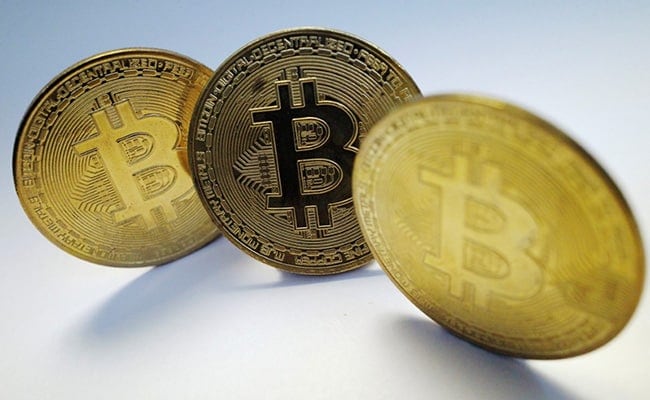
A scarcity of power in Iceland has led to the country's national power company, Landsvirkjun, turning away new Bitcoin miners. Landsvirkjun has not entertained requests from new customers for buying energy to mine cryptocurrency. Cryptocurrency mining enterprises have been a new addition to Iceland's economic landscape. These enterprises were attracted by the low cost of power required to mine new cryptocurrencies. That apart, Landsvirkjun has also cut to several industrial customers, such as aluminium smelters and data centres. According to the company, the factors that led to the reduction in supply were low hydro reservoir levels, a power station malfunction, and a delay in acquiring power from an outside producer.
Even huge demand played a part in the reduction in power supply, Tinna Traustadottir, executive vice president of sales and customer service at Landsvirkjun, told Bloomberg.
For a long time, many crypto miners have been attracted to the country due to its abundance of geothermal energy. The miners harvest this to create a cheap and plentiful supply of renewable energy. Companies that have set up shop in Iceland include Canada-based Hive Blockchain Technologies Ltd., Hong Kong-based Genesis Mining Ltd., and Bitfury Holding BV.
According to Landsvirkjun, all requests for power from new customers mining cryptocurrency were turned down as on December 7. Iceland's availability of geothermal energy, which is harnessed to generate a cheap supply of renewable energy, has attracted crypto mining businesses since a long time.
This isn't the first time that Bitcoin mining operations have been questioned around the world. Two of Sweden's director generals recently proposed banning crypto mining to meet climate obligations. Then, back in September 2021, the government in China imposed a blanket ban on all forms of cryptocurrency trading.
The price of the world's oldest and largest cryptocurrency has climbed by about 80 percent in 2021. The value of Bitcoin reached an all-time high of over $68,000 in November.

-
Ten Things I Learnt This Samvat

Patience can be a trap. Cheap stocks can stay cheap. Leverage can wipe you out. What did Samvat 2082 teach us? Niraj Shah writes on 10 lessons from the year gone by.
-
Talking Points This Week: Tech Nerves, FII Buying, And A Faraway Banking Shock
The global markets are not shining this Diwali. The exception in the large markets is, India.
-
Midterm Rally Lasted A Day. The Hard Reality Of A Divided US May Last Two Years | Opinion
Between a contested AI boom, a debt ceiling that arrives in 2027 and a president with every incentive to act alone, the next two years may prove more volatile than the first day's rally suggests.
-
Blue Wave Will Derail the AI Trade but Won't Dismantle the AI Era | Unhedged Position
The Democrats' sweep of the US Congress will see politics collide with economic forces both over the long and short term.
-
It's Time To Take The GST Council's Bet On Trust Global
Payment records can prove India's services exports, and clear, proportionate rules can bring foreign digital sellers into the tax net.
-
Opinion | India at 38: From Innovation Overperformer to Innovation Powerhouse
India now has 453 VC-backed deep science startups, 18 of them late-stage, after 117 percent growth since 2020. Laurus Labs, at USD 9.3 billion, is the most valuable deep science company in any middle-income economy outside China.
-
Navigating Energy Crossroads: S Jaishankar's Call For Diversified Supply Chains At G20 Ministerial Meeting
As geopolitical fault lines continue to test maritime trade routes and commodity flows, Jaishankar's message remains pertinent: true economic resilience requires open markets, protected transit lines, and a genuine commitment to multilateral cooperation rather than coercion.
-
Indians Are Travelling, But Not Every Journey Is A Holiday | The Week In Whys
Pilgrims, patients and working women are the real travellers, and the system hasn't quite caught up with them.
-
Getting To Work Costs Women More | The Reason Why
It is not just about women paying more than men. It is about women paying much more in cities than in villages.