Landmark Grain Deal At Risk As Ukraine Says Russian Missiles Hit Odesa Port
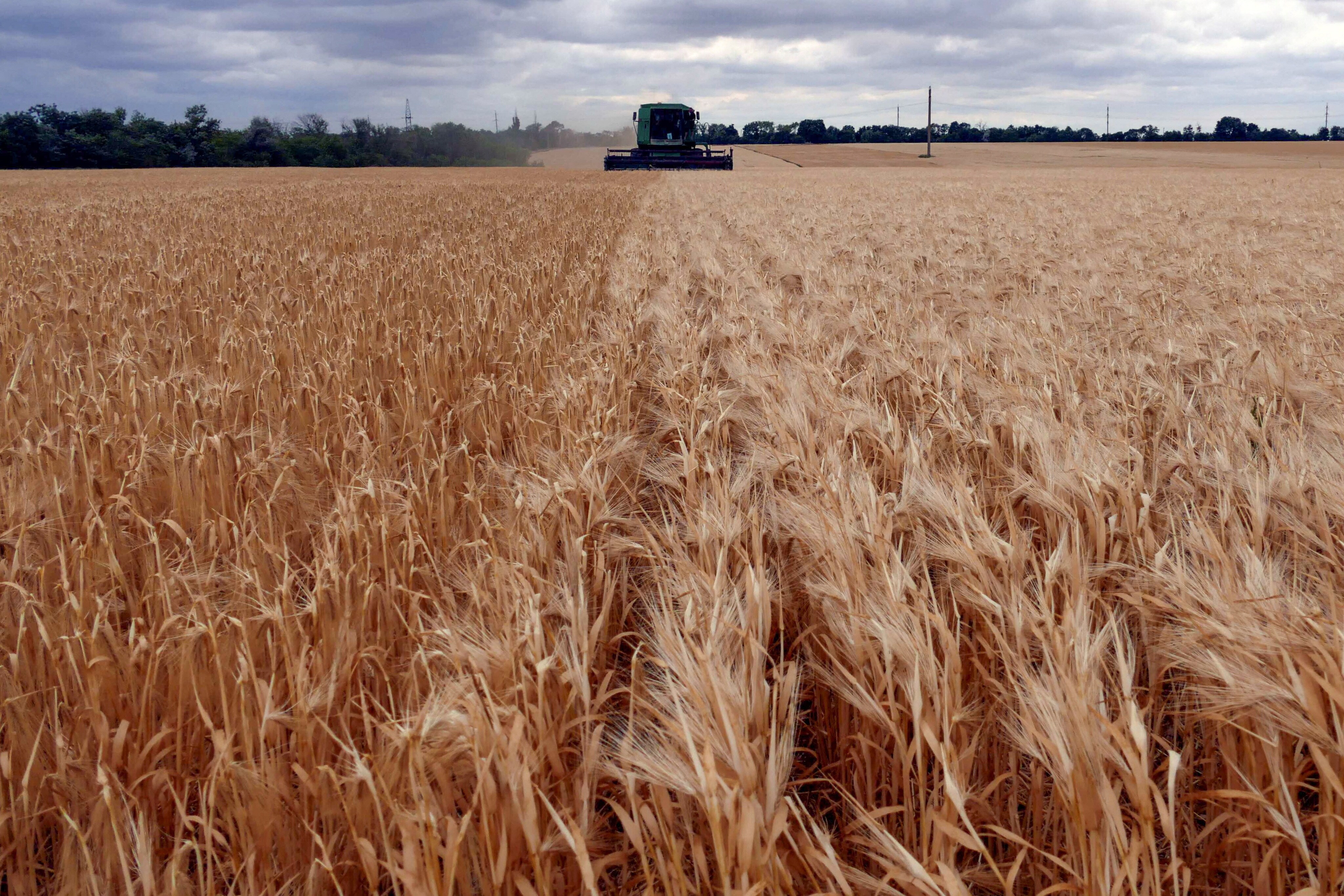
Russian missiles hit the major port of Odesa in southern Ukraine on Saturday, the Ukrainian military said, dealing a blow to a deal signed on Friday to unblock grain exports from Black Sea ports.
The landmark deal signed by Moscow and Kyiv on Friday is seen as crucial to curbing soaring global food prices, easing a supply crunch by allowing certain exports to be shipped from Black Sea ports including Odesa.
U.N. officials had said on Friday they hoped the agreement would be operational in a few weeks but it was not yet clear if that would still be possible given Saturday's strikes.
"The enemy attacked the Odesa sea trade port with Kalibr cruise missiles," Ukraine's Operational Command South wrote on the Telegram messaging app. Two missiles hit infrastructure at the port, while another two were shot down by air defence forces, it said.
Ukraine's foreign ministry called on the United Nations and Turkey, which mediated Friday's deal, to ensure that Russia fulfils its commitments and allows free passage in the grain corridor.
The U.S. ambassador to Kyiv, Bridget Brink, called the strike "outrageous".
"The Kremlin continues to weaponize food. Russia must be held to account," Brink wrote on Twitter.
Russia's defence ministry did not immediately reply to a Reuters request for comment.
A blockade of Ukrainian ports by Russia's Black Sea fleet since Moscow's Feb. 24 invasion of its neighbour has trapped tens of millions of tonnes of grain and stranded many ships. This has worsened global supply chain bottlenecks and, along with Western sanctions on Russia, stoked food and energy price inflation.
Russia and Ukraine are major global wheat suppliers, and the war sent food prices soaring. A global food crisis has pushed some 47 million people into "acute hunger," according to the World Food Programme.
Friday's deal seeks to avert famine in poorer nations by injecting more wheat, sunflower oil, fertilizer and other products into world markets including for humanitarian needs, partly at lower prices.
U.N. officials said on Friday the deal, expected to be fully operational in a few weeks, would restore grain shipments from the three reopened ports to pre-war levels of 5 million tonnes a month.
Under the deal, Ukrainian officials would guide ships through safe channels across mined waters to three ports, including Odesa, where they would be loaded with grain.
Moscow has denied responsibility for the crisis, blaming Western sanctions for slowing its own food and fertiliser exports and Ukraine for mining the approaches to its Black Sea ports.
Ukrainian President Volodymyr Zelenskiy said on Friday the deal would make around $10 billion worth of grain available for sale with roughly 20 million tonnes of last year's harvest to be exported.
(Except for the headline, this story has not been edited by NDTV staff and is published from a syndicated feed.)

-
Signature Play: The Classic Cocktail Is Dead. Or Is It?

Classic cocktails are disappearing from India's cocktail menus. But they're still being ordered, taught to bartenders and borrowed from. So, who's really having the last drink?
-
A New Samvat Wishlist: Inclusive Prosperity And Human Development
India has strengthened its economic foundations through infrastructure, digital access and enterprise. Its next growth chapter must deepen productivity, create better livelihoods and widen participation in prosperity.
-
Love, Sex Aur Dhokha: The Audacious Plot To Spy On Jensen Huang
A Taipei dinner, a Singapore chip buyer and a suspected Chinese asset: inside the alleged spy operation that got close to NVIDIA's Jensen Huang.
-
Ten Things I Learnt This Samvat
Patience can be a trap. Cheap stocks can stay cheap. Leverage can wipe you out. What did Samvat 2082 teach us? Niraj Shah writes on 10 lessons from the year gone by.
-
Talking Points This Week: Tech Nerves, FII Buying, And A Faraway Banking Shock
The global markets are not shining this Diwali. The exception in the large markets is, India.
-
Midterm Rally Lasted A Day. The Hard Reality Of A Divided US May Last Two Years | Opinion
Between a contested AI boom, a debt ceiling that arrives in 2027 and a president with every incentive to act alone, the next two years may prove more volatile than the first day's rally suggests.
-
Blue Wave Will Derail the AI Trade but Won't Dismantle the AI Era | Unhedged Position
The Democrats' sweep of the US Congress will see politics collide with economic forces both over the long and short term.
-
It's Time To Take The GST Council's Bet On Trust Global
Payment records can prove India's services exports, and clear, proportionate rules can bring foreign digital sellers into the tax net.
-
Opinion | India at 38: From Innovation Overperformer to Innovation Powerhouse
India now has 453 VC-backed deep science startups, 18 of them late-stage, after 117 percent growth since 2020. Laurus Labs, at USD 9.3 billion, is the most valuable deep science company in any middle-income economy outside China.









