Risk Markets From China Tech to EM Currencies Are Back in Favor
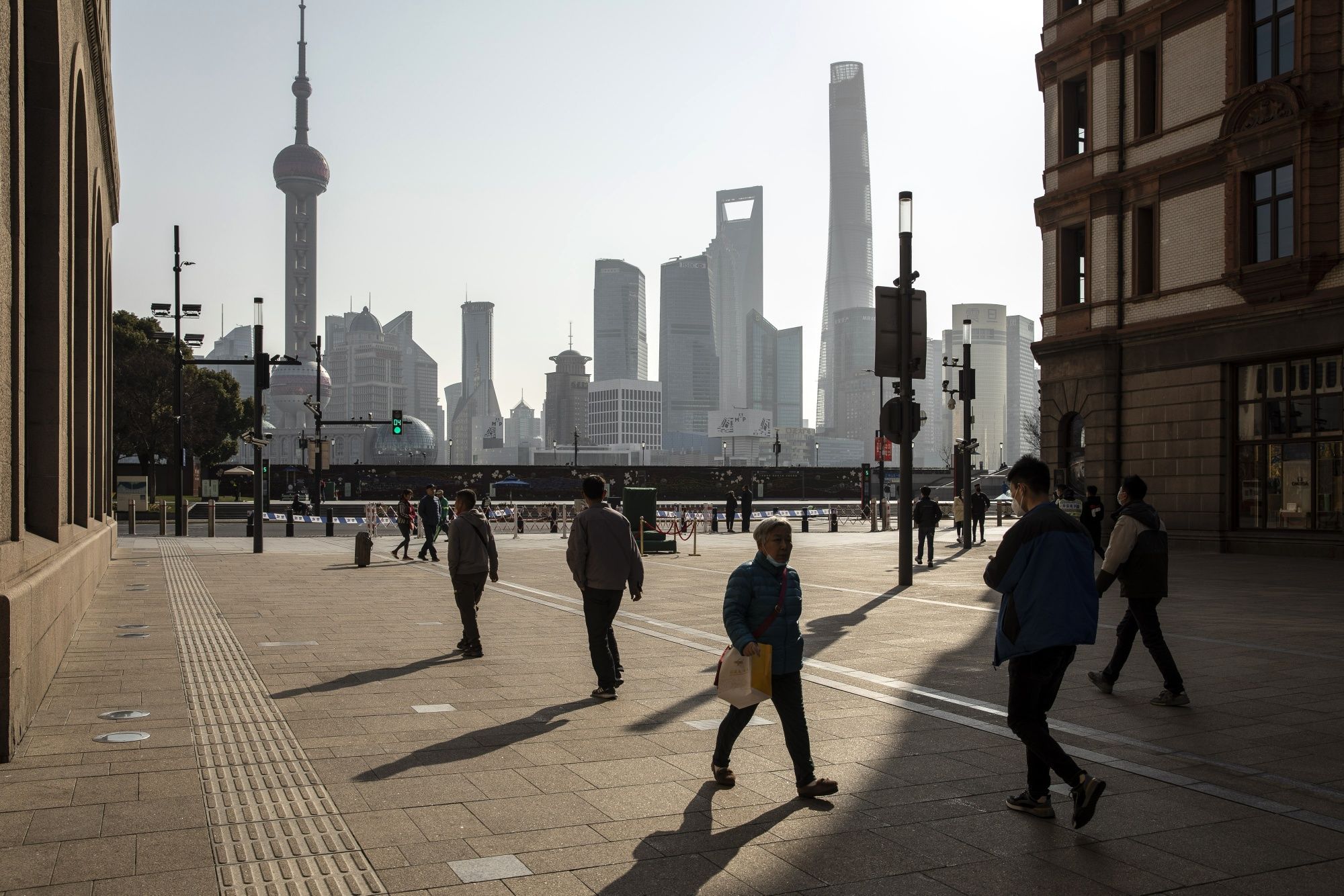
(Bloomberg) -- Some of Asia's most risk-sensitive currencies and stocks are back in favor as China reopens its economy and traders bet that the dollar may have peaked for now.
South Korea's won and the offshore yuan have rallied over 1% since Shanghai started rolling back virus curbs in mid-May. The region's stocks have also climbed, with the Hang Seng Tech Index advancing almost 3% during the period.
The reopening of China's economy has sparked a swift turnaround in sentiment toward Asia, as investors bet that the move will ease supply-chain disruptions and spur demand for commodities. Speculation that the dollar may have hit a ceiling for now is also lending support, with the likes of Goldman Sachs Group Inc. and Fidelity International seeking to add to their emerging-market portfolios.

Gains in Asian currencies this week were spurred by factors including a pullback in the dollar, easing restrictions in Shanghai and better-than-expected China PMI data, said Khoon Goh, head of Asia research at Australia & New Zealand Banking Group Ltd. “The Korean won and Taiwan dollar, which are the most sensitive to equity flows, stand to benefit the most,” he added.
The won led gains in emerging Asian currencies on Friday, rallying as much as 1.1% against the greenback. The offshore yuan and Indonesia's rupiah each strengthened 0.3%. All three currencies fell to the lowest in over a year last month.
And it's not just the region's foreign-exchange markets which are gaining.
Spreads on Asia's emerging market dollar notes are headed for a third straight week of narrowing, the longest such streak since April 8, a Bloomberg index shows. They traded at 303 basis points over comparable Treasuries, down from a this year's high of as much as 375 basis points on March 15.
A recent slew of disappointing US data, including a private jobs report on Thursday, is fueling fears of a slowdown and driving expectations that the Fed may deploy a less aggressive pace of tightening. The Bloomberg Dollar Spot Index has fallen 3% after reaching the year's high in May.
“Some jitters on US growth, alongside slightly shaky US data, could lead to incremental doubts on the extent of Federal Reserve hawkishness that can eventually materialize, helping to cap interim dollar strength,” said Yanxi Tan, a currency strategist at Malayan Banking Berhad.

The optimism is also evident in stocks. The MSCI Asia Pacific Index is on track for a third week of gains after declining almost 30% from a peak in February 2021. A gauge of Chinese stocks listed in the Asian financial hub has climbed more than 2% in the past five days.
“Shanghai's reopening has triggered a rally in the China/Hong Kong market over the past few days,” Richard Tang, equity research analyst for Asia at Julius Baer, wrote in a note. “Our view remains the same –- the market has likely troughed, while the pace of recovery will depend on the progress of reopening, which is likely to be gradual. Reopening plays include internet, auto and consumer stocks.”
Outside of China, money is also trickling into other emerging Asia stock markets. Inflows into regional equities total a net $2.9 billion this week, the largest for a five-day period since February, according to data compiled by Bloomberg.
But, some others caution that it may be too early to say the worst is over.
“Asian currencies have been supported by the softness in the broad dollar and probably the peaking of China growth pessimism,” said Frances Cheung, rates strategist at Oversea-Chinese Banking Corp. “That said, the overall risk sentiment does not appear to have settled well into the risk-on zone yet, with lingering growth concerns and the market staying responsive to data prints.”
(Adds spreads on Asia's emerging market dollar notes in seventh paragraph)
More stories like this are available on bloomberg.com
©2022 Bloomberg L.P.

-
Talking Points This Week: Leadership Shock At Nvidia, Earnings Strength, And The Fog Over Hormuz

The Anthropic IPO pricing and first trading day, Nvidia's upcoming earnings, and any fresh signals from Iran will set the tone for the following week.
-
Signature Play: The Classic Cocktail Is Dead. Or Is It?
Classic cocktails are disappearing from India's cocktail menus. But they're still being ordered, taught to bartenders and borrowed from. So, who's really having the last drink?
-
A New Samvat Wishlist: Inclusive Prosperity And Human Development
India has strengthened its economic foundations through infrastructure, digital access and enterprise. Its next growth chapter must deepen productivity, create better livelihoods and widen participation in prosperity.
-
Love, Sex Aur Dhokha: The Audacious Plot To Spy On Jensen Huang
A Taipei dinner, a Singapore chip buyer and a suspected Chinese asset: inside the alleged spy operation that got close to NVIDIA's Jensen Huang.
-
Ten Things I Learnt This Samvat
Patience can be a trap. Cheap stocks can stay cheap. Leverage can wipe you out. What did Samvat 2082 teach us? Niraj Shah writes on 10 lessons from the year gone by.
-
Talking Points This Week: Tech Nerves, FII Buying, And A Faraway Banking Shock
The global markets are not shining this Diwali. The exception in the large markets is, India.
-
Midterm Rally Lasted A Day. The Hard Reality Of A Divided US May Last Two Years | Opinion
Between a contested AI boom, a debt ceiling that arrives in 2027 and a president with every incentive to act alone, the next two years may prove more volatile than the first day's rally suggests.
-
Blue Wave Will Derail the AI Trade but Won't Dismantle the AI Era | Unhedged Position
The Democrats' sweep of the US Congress will see politics collide with economic forces both over the long and short term.
-
It's Time To Take The GST Council's Bet On Trust Global
Payment records can prove India's services exports, and clear, proportionate rules can bring foreign digital sellers into the tax net.
-
Opinion | India at 38: From Innovation Overperformer to Innovation Powerhouse
India now has 453 VC-backed deep science startups, 18 of them late-stage, after 117 percent growth since 2020. Laurus Labs, at USD 9.3 billion, is the most valuable deep science company in any middle-income economy outside China.









