Want To Apply For An Education Loan? Check These Six Things First
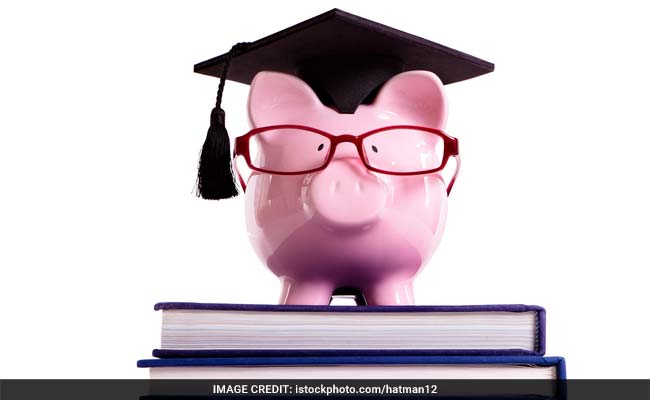
With the cost of education steadily rising and the coronavirus pandemic affecting the finances of every household, students are inclined to look for educational institutes that may fit into their budget. Instead of compromising on the quality of education, they should opt for an educational loan to fill the financial gap. A sound education is the bedrock of a just society as an enlightened human capital will lead to national development and also take care of the family as its principal mover.
Both public and private sector banks offer education loans for higher studies, including professional courses in engineering, medical, architecture, management, and law. After finishing their education at a top educational institute and entering the workforce with confidence, these youths will be in a position to easily repay the loan. An education loan typically covers the tuition fee and expenses on hostel accommodation, books, and in some cases even computers.
Here are the key things to know before you opt for an education loan:
Eligibility: Banks have their own set of terms. You must read the eligibility criteria, and all other conditions, before applying for a loan. For an education loan, you must be an Indian citizen and should have taken admission in a recognised college. If you are not earning, your parents or siblings can become the co-applicant. Usually, a loan of Rs 4 lakh is granted without collateral. For higher loans, banks may ask for collateral if the co-applicant's income is not sufficient.
Interest rate and repayment tenure: Evaluate all loan options available and compare the rate of interest offered by different banks as well as the time for repayment allowed for the particular course you have taken admission in. Most banks allow three years to repay a loan up to Rs 4 lakh at an interest rate of 10-15 per cent. Banks offer a lower interest rate and longer repayment period (usually 5-7 years) for higher amounts taken as an education loan. Banks may also ask for a guarantor, who may be the student's parents or a guardian.
Existing loan amount: Banks also consider whether there is an outstanding loan on the applicant or his/her co-applicant before sanctioning a fresh one. Also, it would be unwise to burden your parents with a new loan when they already are repaying an existing debt. This calls for an applicant to have a job that he/she can do while pursuing their higher studies. The employment will help you in availing and repaying the education loan on time.
EMI burden: Financial experts advise students to go for a longer-duration loan scheme to be able to reduce the future EMI burden when they start earning. At the beginning of their careers, people don't earn much, so a longer tenure of 10-12 years will help in not defaulting on repayment schedules.
Special schemes: Many banks, particularly those owned by the government, offer special schemes for education of the girl child. These schemes can range from a reduced interest rate or a subsidy programme. It is important to check with banks all the available schemes that could help you in repaying a loan.
Tax-saver: The interest paid on an education loan during a financial year is deductible under Section 80E of the Income Tax Act. No tax benefit is allowed on the repayment of the principal amount.

-
We May Need Another Tukaram Mundhe To Fight Air Pollution | The Reason Why

Developers may install basic measures such as sprinklers and green nets, resume work, and continue violating rules when this equipment stops working.
-
Extracting Value From Battery Scrap Could Be Challenging For India | The Reason Why
A discarded lithium-ion battery still contains valuable materials such as lithium, nickel and cobalt. These can be recovered and reused. When such batteries are crushed and shredded, they produce a dark powder called black mass.
-
One El Nino, India Can Handle. Two Could Break The Granary
India's grain stocks can absorb one bad year, but a second El Nino could drain the buffer in two to three years, economists say.
-
India's Troika Of Good Luck | Joining The Dots
As Jensen Huang's exit drags Nvidia down, a cooling AI trade and resilient earnings have revived investor interest in India. A likely RBI rate hike looms.
-
Talking Points This Week: Leadership Shock At Nvidia, Earnings Strength, And The Fog Over Hormuz
The Anthropic IPO pricing and first trading day, Nvidia's upcoming earnings, and any fresh signals from Iran will set the tone for the following week.
-
Signature Play: The Classic Cocktail Is Dead. Or Is It?
Classic cocktails are disappearing from India's cocktail menus. But they're still being ordered, taught to bartenders and borrowed from. So, who's really having the last drink?
-
A New Samvat Wishlist: Inclusive Prosperity And Human Development
India has strengthened its economic foundations through infrastructure, digital access and enterprise. Its next growth chapter must deepen productivity, create better livelihoods and widen participation in prosperity.
-
Love, Sex Aur Dhokha: The Audacious Plot To Spy On Jensen Huang
A Taipei dinner, a Singapore chip buyer and a suspected Chinese asset: inside the alleged spy operation that got close to NVIDIA's Jensen Huang.
-
Ten Things I Learnt This Samvat
Patience can be a trap. Cheap stocks can stay cheap. Leverage can wipe you out. What did Samvat 2082 teach us? Niraj Shah writes on 10 lessons from the year gone by.
-
Talking Points This Week: Tech Nerves, FII Buying, And A Faraway Banking Shock
The global markets are not shining this Diwali. The exception in the large markets is, India.









