Karan Johar's Rs 10,000 Multiplex Claim: Fact Or Fiction, Asks Multiplex Association
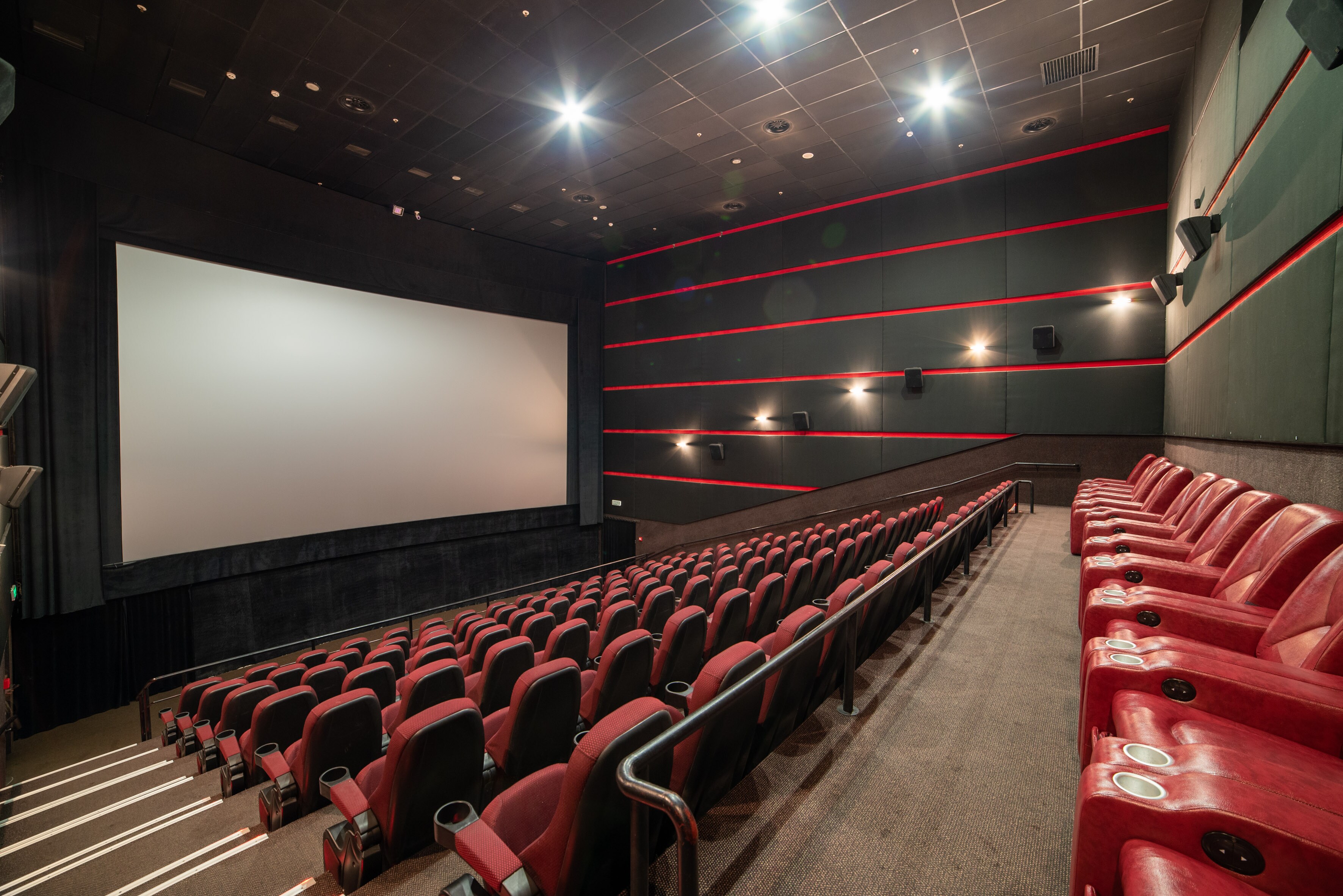
The Multiplex Association of India on Wednesday marked its disagreement in response to film producer Karan Johar's claim that a movie outing costs a family of four persons around Rs 10,000, due to inflated food and beverages costs.
The cinema operators' body said a family of four, on an average, incurs a cost of Rs 1,560 during a visit to a multiplex, which includes the expenditure on food and drinks.
In 2023, the average ticket price across all cinemas in India was Rs 130 per ticket, the association said. The country's largest cinema chain, PVR INOX, reported an ATP of Rs 258 for fiscal 2024, it pointed out.
"Additionally, the average spend per head on food and beverages at PVR INOX during this period stood at Rs 132. This brings the total average expenditure for a family of four to Rs 1,560 —significantly different from the Rs 10,000 figure carried in the media reports," the association said in a statement.
Johar, while recently speaking to the Hollywood Reporter India, suggested that movie viewership could be down due to the high cost incurred during visits to multiplex theatres. Citing a survey, he claimed that out of 100 households, 90 said they could afford to visit multiplexes only twice a year.
"Family members said that they don't like to go to cinema halls because when kids say that they want popcorn or something to eat, they feel bad denying them...They said, ‘Our child will point and say he wants caramel popcorn, but we can't afford it'," reports quoted him as saying.
'Demand Driven By Content'
The multiplex body, in response to the news reports that carried Johar's remarks, said the demand for a film is "largely driven by its content and appeal, rather than by pricing alone".
Any evaluation of pricing in the cinema industry must account for the broader economics of movie business, which involves multiple stakeholders, including producers, distributors, and exhibitors, the association said.
"Each of these players contributes to the final cost to consumers, with prices ultimately shaped by the market forces of demand and supply. If lowering prices could optimise revenue for everyone involved, cinema operators would naturally make those adjustments without needing to be told," it said.
The association also noted that cinema pricing is dynamic and flexible, and fluctuates on factors like location, day of the week, seat type, film format, and cinema format.
Cinema exhibitors use digital tools to stimulate audience demand and optimise pricing, "frequently offering discounts and promotions that make cinema outings more affordable", it said. Many of these initiatives can lower the overall cost of a cinema visit by "more than 50%, providing families and moviegoers with affordable options," the statement further noted.

-
Signature Play: The Classic Cocktail Is Dead. Or Is It?

Classic cocktails are disappearing from India's cocktail menus. But they're still being ordered, taught to bartenders and borrowed from. So, who's really having the last drink?
-
A New Samvat Wishlist: Inclusive Prosperity And Human Development
India has strengthened its economic foundations through infrastructure, digital access and enterprise. Its next growth chapter must deepen productivity, create better livelihoods and widen participation in prosperity.
-
Love, Sex Aur Dhokha: The Audacious Plot To Spy On Jensen Huang
A Taipei dinner, a Singapore chip buyer and a suspected Chinese asset: inside the alleged spy operation that got close to NVIDIA's Jensen Huang.
-
Ten Things I Learnt This Samvat
Patience can be a trap. Cheap stocks can stay cheap. Leverage can wipe you out. What did Samvat 2082 teach us? Niraj Shah writes on 10 lessons from the year gone by.
-
Talking Points This Week: Tech Nerves, FII Buying, And A Faraway Banking Shock
The global markets are not shining this Diwali. The exception in the large markets is, India.
-
Midterm Rally Lasted A Day. The Hard Reality Of A Divided US May Last Two Years | Opinion
Between a contested AI boom, a debt ceiling that arrives in 2027 and a president with every incentive to act alone, the next two years may prove more volatile than the first day's rally suggests.
-
Blue Wave Will Derail the AI Trade but Won't Dismantle the AI Era | Unhedged Position
The Democrats' sweep of the US Congress will see politics collide with economic forces both over the long and short term.
-
It's Time To Take The GST Council's Bet On Trust Global
Payment records can prove India's services exports, and clear, proportionate rules can bring foreign digital sellers into the tax net.
-
Opinion | India at 38: From Innovation Overperformer to Innovation Powerhouse
India now has 453 VC-backed deep science startups, 18 of them late-stage, after 117 percent growth since 2020. Laurus Labs, at USD 9.3 billion, is the most valuable deep science company in any middle-income economy outside China.









