JSW Energy’s Prashant Jain Sees Power Demand Growing By October
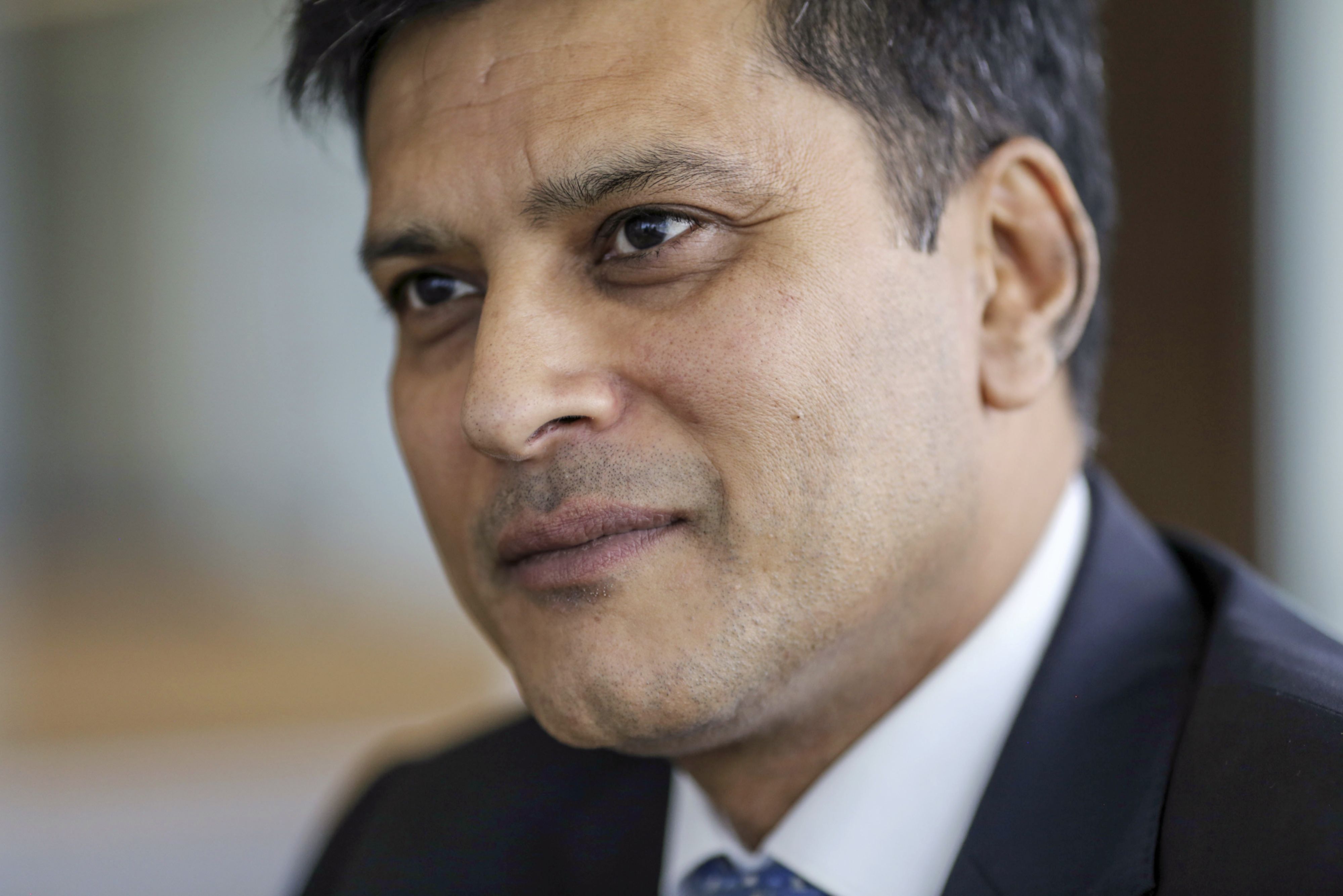
JSW Energy Ltd. expects demand for power to start growing from October as it is already seeing a recovery after the Covid-19 lockdown froze industrial consumption.
Power demand witnessed gradual improvement with easing of lockdown restrictions, Prashant Jain, joint managing director and chief executive officer at JSW Energy, said in a video interview with BloombergQuint. Demand rose since July, indicating the economy is coming back to normal, he said, adding that only commercial malls, theatres, gyms and restaurants are to reopen.
JSW Energy saw its revenue contract and profit decline as demand fell in a quarter marred by India's lockdown to contain the pandemic. The company, part of the billionaire Sajjan Jindal's JSW Group, also terminated the agreement to acquire GMR Kamalanga Energy citing current market conditions. It awaits the National Company Law Tribunal's approval for its acquisition of Ind-Barath unit under the insolvency law.
Q1 Highlights (YoY)
- Revenue fell 23% to Rs 1,887 crore as merchant volumes declined.
- Net profit down 13% to Rs 213 crore.
- Operating profit fell 4% to Rs 827 crore.
- Margin improved by 787 basis points to 43.8% due to lower fuel costs as generation fell and prices of imported coal declined.
- Net generation down 15.9% at 493 crore units.
- Average realisation at Rs 3.81 a unit versus Rs 4.28 a year earlier.
Debt Repayment
The company has repaid Rs 900 crore since April 1, bringing net debt below Rs 8,000 crore. Receivables also fell in the current quarter as there were no disputed billing.
Jain expects receivables to improve as disbursement of Rs 90,000 crore by REC Ltd. and Power Finance Corp as part of the package to help ailing distribution companies.
The company's weighted average interest rate has come down from 9.12% in March to 8.44% in June as the marginal cost-based lending rate fell. Interest costs are expected to further fall because of reduced net debt and lower rates.
Cash Deployment
JSW Energy will use cash for repaying debt and rewarding shareholders, according to Jain. There's no major equity requirement this year—implying no major capital expenditure will be undertaken, besides maintenance for ongoing project.
Focus On Renewables
Jain said the company will focus on renewable space and targets to retire thermal assets by 2050. JSW Energy plans to double its capacity, led by renewables. It will consider using cash to acquiring renewable energy assets.
Watch the full interview here:

-
The Economic Imperative: Analysing The Material Driving Force Behind India-Canada Strategic Reset

This economic complementarity is further reinforced by deep institutional investment ties and talent mobility, which form the bedrock of the bilateral framework.
-
Medicine Pricing: Where Must Profit Stop?
India must confront excessive margins, hidden incentives and regulatory gaps that threaten the integrity of medicine.
-
Why Amazon And Flipkart Are Struggling To Beat Meesho In India's Smaller Cities
With 274 million users and lowest-cost logistics, Meesho is defending its value commerce crown against giants like Amazon and Flipkart.
-
High US Salaries, No Green Card Certainty: The Financial Calculation Facing Indian H-1B Families
The suspension of PERM processing at eight technology employers does not cancel existing H-1B visas. What it does is force a question many Indian families have been avoiding: is the US salary worth tying your career and family plans to one employer?
-
Swiggy vs Eternal: Food Delivery's Two Rivals Are No Longer In The Same Race
Eternal is building a private AI assistant, dark.ai. Swiggy is still working out how to make Instamart pay, with an operating loss of Rs 895 crore in the July-September quarter while Blinkit stayed profitable.
-
Where You Live Shapes How You Get To Work | The Reason Why
Two-wheelers are the most popular way to get to work in India, accounting for nearly 43% of workplace commutes.
-
Unhedged Position: Can India See An Indonesia-Style Time Correction?
The Nifty is trading below levels it first clocked in 2024. Is there, then, as I have suggested in the headline, potential that the current time correction drags on painfully for the next three-five, even ten years?
-
Navigating Friction And Energy Realities: An Analysis Of Marco Rubio's October Visit To India
Occurring at a critical juncture marked by stalled trade negotiations and escalating geopolitical pressures over global energy supplies, the visit offers a profound window into modern US-India relations.
-
India Exports Capital. Why Not Export Trusteeship?
The big question, then, is whether India can build an institution that global borrowers, investors, banks, and lawyers can trust, even without an Indian connection.
-
France's Economy & Politics Are In Crisis | The Reason Why
Let's look at how the French economy and politics evolved under Nicolas Sarkozy, Franois Hollande and Emmanuel Macron.










