JPMorgan Warns Stocks Are in ‘Calm Before the Storm’
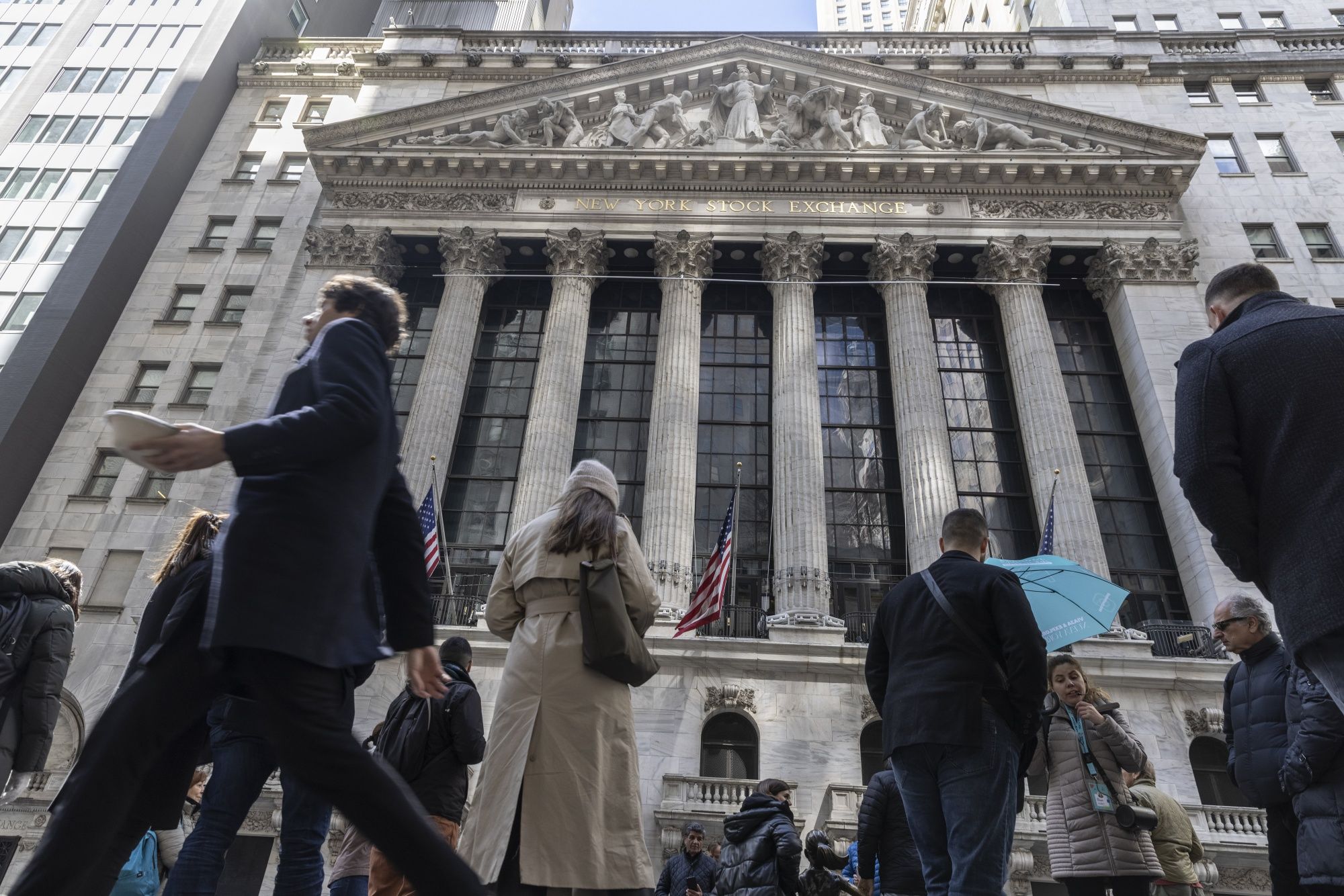
(Bloomberg) -- A risk-on mood fueling this year's equities rally is likely to falter, with headwinds from bank turbulence, an oil shock and slowing growth poised to send stocks back toward their 2022 lows, according to JPMorgan strategist Marko Kolanovic.
“The Fed indicated no intention to cut interest rates this year, yet risk assets are exhibiting an unprecedented rally, with European stocks trading near all-time highs and US stocks recovering recent losses,” Kolanovic wrote in a note to clients Monday. “We expect a reversal in risk sentiment and the market retesting last year's low over the coming months.”
In his view, the inflows into stocks over the past few weeks “make little sense” and were largely driven by systematic investors, a short squeeze and a decline in the Cboe Volatility Index, or VIX.
A drop in the VIX below 20, a level associated with less stressful periods, suggests investors believe the banking crisis is contained in the near term. However, Kolanovic characterizes the present market backdrop as “the calm before the storm.”
One of Wall Streets biggest optimists through most of the market selloff last year, Kolanovic has since reversed his view, cutting his equity allocation in mid-December, January and March due to a soft economic outlook this year.
Stocks have remained resilient this year despite rising interest rates that have dented corporate profits, slowed growth and triggered a series of bank collapses in the US and overseas. The benchmark S&P 500 rose 7% in the first quarter after dropping nearly 20% in 2022, while gains across technology stocks have pushed the Nasdaq 100 up 20% since the start of January and into a bull market.

Tech's outperformance has become even more magnified recently as traders ramp up bets that banking-system stresses will prompt the Federal Reserve to hit the brakes on its tightening campaign.
US stock futures were steady on Tuesday, with contracts on the S&P 500 dipping less than 0.1% while those on the Nasdaq 100 edged 0.2% lower by 3:51 a.m. in New York.
“It is worth noting the accordion-like nature of risk sentiment, where restrictive rates produced an issue for various carry trades and the ensuing pullback in yields mitigated some of the stress,” Kolanovic wrote. “Although central banks are still communicating, there is ground to cover on fighting inflation and pushing back against the market's assumption of cuts, so the original source of stress, rates higher for longer, can reenter the picture.”
Citigroup Inc. strategists including Chris Montagu said net positioning turned clearly bullish for the S&P 500 over the past week. There's still $15 billion of shorts to clear, which could support markets in the near term, they wrote in a separate note on Monday.
--With assistance from Farah Elbahrawy.
(Adds futures move in eighth paragraph and Citi strategists comments in last paragraph.)
More stories like this are available on bloomberg.com
©2023 Bloomberg L.P.

-
The Economic Imperative: Analysing The Material Driving Force Behind India-Canada Strategic Reset

This economic complementarity is further reinforced by deep institutional investment ties and talent mobility, which form the bedrock of the bilateral framework.
-
Medicine Pricing: Where Must Profit Stop?
India must confront excessive margins, hidden incentives and regulatory gaps that threaten the integrity of medicine.
-
Why Amazon And Flipkart Are Struggling To Beat Meesho In India's Smaller Cities
With 274 million users and lowest-cost logistics, Meesho is defending its value commerce crown against giants like Amazon and Flipkart.
-
High US Salaries, No Green Card Certainty: The Financial Calculation Facing Indian H-1B Families
The suspension of PERM processing at eight technology employers does not cancel existing H-1B visas. What it does is force a question many Indian families have been avoiding: is the US salary worth tying your career and family plans to one employer?
-
Swiggy vs Eternal: Food Delivery's Two Rivals Are No Longer In The Same Race
Eternal is building a private AI assistant, dark.ai. Swiggy is still working out how to make Instamart pay, with an operating loss of Rs 895 crore in the July-September quarter while Blinkit stayed profitable.
-
Where You Live Shapes How You Get To Work | The Reason Why
Two-wheelers are the most popular way to get to work in India, accounting for nearly 43% of workplace commutes.
-
Unhedged Position: Can India See An Indonesia-Style Time Correction?
The Nifty is trading below levels it first clocked in 2024. Is there, then, as I have suggested in the headline, potential that the current time correction drags on painfully for the next three-five, even ten years?
-
Navigating Friction And Energy Realities: An Analysis Of Marco Rubio's October Visit To India
Occurring at a critical juncture marked by stalled trade negotiations and escalating geopolitical pressures over global energy supplies, the visit offers a profound window into modern US-India relations.
-
India Exports Capital. Why Not Export Trusteeship?
The big question, then, is whether India can build an institution that global borrowers, investors, banks, and lawyers can trust, even without an Indian connection.
-
France's Economy & Politics Are In Crisis | The Reason Why
Let's look at how the French economy and politics evolved under Nicolas Sarkozy, Franois Hollande and Emmanuel Macron.










