Jindal Lifestyle To Set Up Cookware, Infra Product Lines In FY24, Says CEO
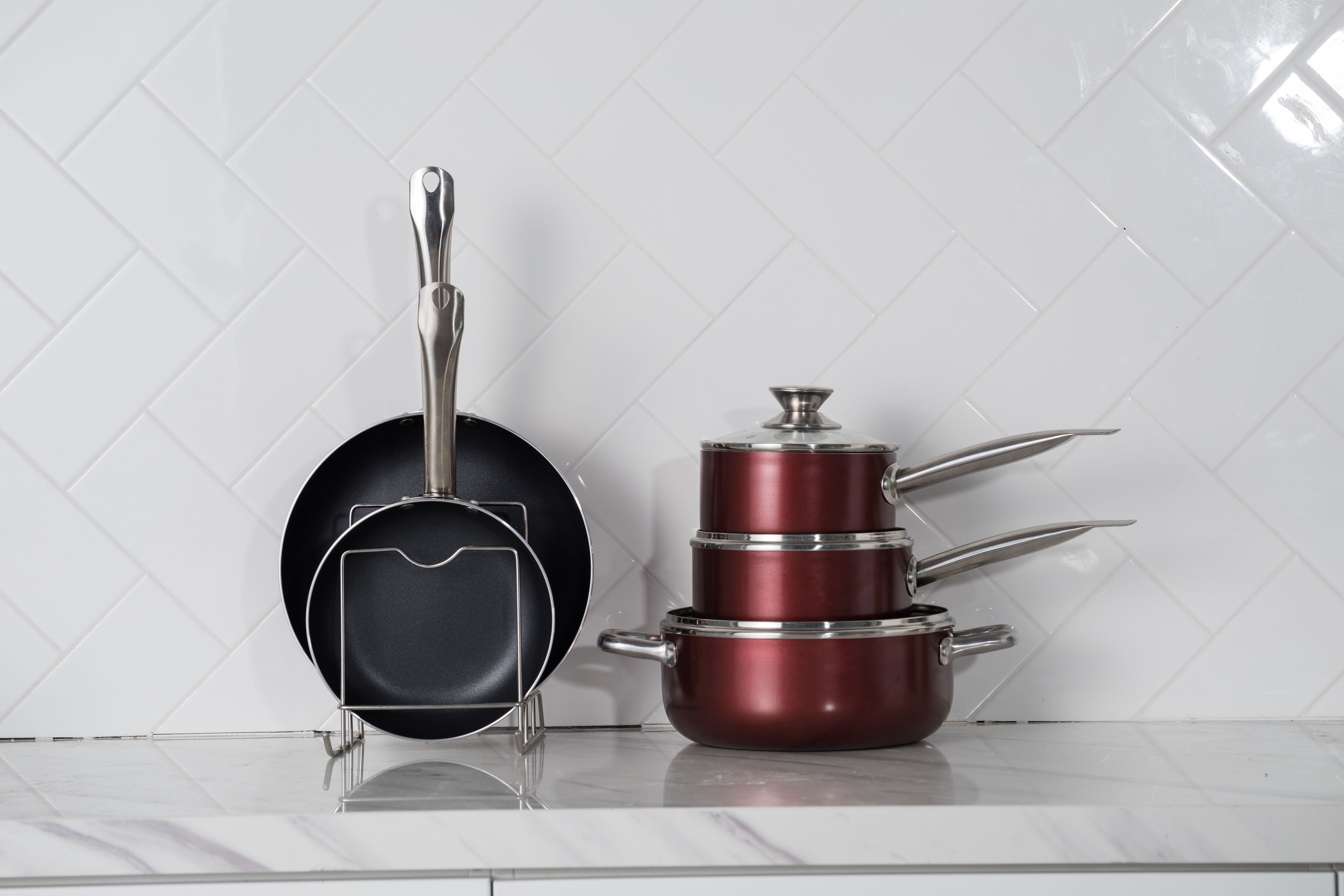
Jindal Lifestyle Ltd. is looking to set up two new manufacturing lines for the cookware and construction infrastructure verticals in FY24, after merger with its parent Jindal Stainless Ltd.
"The company's current plant utilisation level is around 70%, so there is sufficient capacity to grow 30% more at no additional cost," Rajesh Mohata, chief executive officer and executive director of Jindal Lifestyle, told BQ Prime in an interview.
"However, given the future growth projection of 22-30% in demand from the kitchenware and the construction infrastructure segment over the next five years, we plan to add two new lines in FY24 to cater to this demand," Mohata said.

Rajesh Mohata, CEO and ED, Jindal Lifestyle (Source: Company)
The company has seen growth in the lifestyle segment since the pandemic and expects it to persist as the focus has started to shift to lifestyle, hygiene, sustainability, livelihood and the psychological trait of the young generation—the fear-of-missing out, he said.
According to a study conducted by Jindal Lifestyle as part of its vision document, each segment is projected to grow between 22-30% year-on-year over the next five years.
The lifestyle kitchen segment market size is close to Rs 400 crore and expected to grow at 25% YoY, excluding the unorganised sector growth.
Similarly, the cookware industry, which is worth Rs 3,000 crore, is expected to grow at 30-40%, as people have become health conscious and are shifting from aluminum utensils to other metals like stainless steel. This inspired the company to invest in building the new cookware segment.
The infra sector, which is close to Rs 12,000-15000 crore, is expected to witness moderate growth of 10% since the market size is large.
After the merger, the focus will be on creating better B2C brands and launch products closer to the lifestyle segment of customers, Mohata said.
"Some ranges in the homeware segment, which we were supplying to limited customers, we will now supply to others as well—not just in India but outside India too," he said.
According to Mohata, in the kitchenware vertical—both interior and exterior—the company plans to use different materials such as aluminum, glass, ceramics, wood and stone apart from steel, for which research and development set up is being done.
According to the company, FY23 has been the best year in terms of sales. It expects 20-25% YoY growth in top line in FY24 on account of higher demand from the lifestyle segment.
Watch The Full Video Here:

-
The Economic Imperative: Analysing The Material Driving Force Behind India-Canada Strategic Reset

This economic complementarity is further reinforced by deep institutional investment ties and talent mobility, which form the bedrock of the bilateral framework.
-
Medicine Pricing: Where Must Profit Stop?
India must confront excessive margins, hidden incentives and regulatory gaps that threaten the integrity of medicine.
-
Why Amazon And Flipkart Are Struggling To Beat Meesho In India's Smaller Cities
With 274 million users and lowest-cost logistics, Meesho is defending its value commerce crown against giants like Amazon and Flipkart.
-
High US Salaries, No Green Card Certainty: The Financial Calculation Facing Indian H-1B Families
The suspension of PERM processing at eight technology employers does not cancel existing H-1B visas. What it does is force a question many Indian families have been avoiding: is the US salary worth tying your career and family plans to one employer?
-
Swiggy vs Eternal: Food Delivery's Two Rivals Are No Longer In The Same Race
Eternal is building a private AI assistant, dark.ai. Swiggy is still working out how to make Instamart pay, with an operating loss of Rs 895 crore in the July-September quarter while Blinkit stayed profitable.
-
Where You Live Shapes How You Get To Work | The Reason Why
Two-wheelers are the most popular way to get to work in India, accounting for nearly 43% of workplace commutes.
-
Unhedged Position: Can India See An Indonesia-Style Time Correction?
The Nifty is trading below levels it first clocked in 2024. Is there, then, as I have suggested in the headline, potential that the current time correction drags on painfully for the next three-five, even ten years?
-
Navigating Friction And Energy Realities: An Analysis Of Marco Rubio's October Visit To India
Occurring at a critical juncture marked by stalled trade negotiations and escalating geopolitical pressures over global energy supplies, the visit offers a profound window into modern US-India relations.
-
India Exports Capital. Why Not Export Trusteeship?
The big question, then, is whether India can build an institution that global borrowers, investors, banks, and lawyers can trust, even without an Indian connection.
-
France's Economy & Politics Are In Crisis | The Reason Why
Let's look at how the French economy and politics evolved under Nicolas Sarkozy, Franois Hollande and Emmanuel Macron.










