Rakesh Jhunjhunwala's $4 Billion Stock Holdings in Focus After His Death
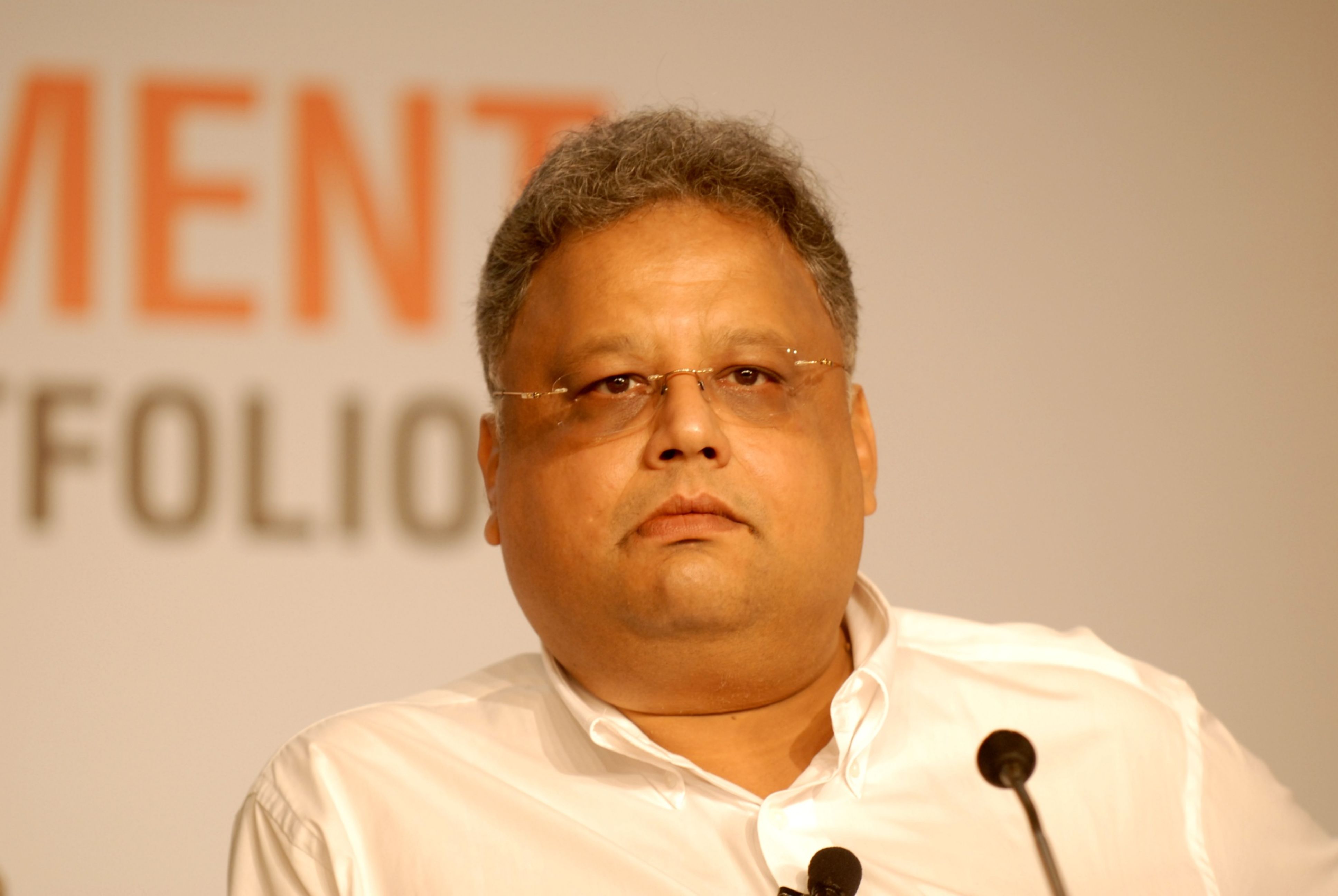
The death of Indian billionaire Rakesh Jhunjhunwala puts a spotlight on the nearly $4 billion worth of stocks held by the famed investor, whose trades were closely scrutinized.
The man known as India's Warren Buffett died of a reported cardiac arrest Sunday at the age of 62.
The self-made trader invested in a wide swathe of established businesses and startups, and served on the boards of several Indian firms.
Jhunjhunwala was among the most influential market voices in Asia's third-biggest economy, with an intense following among the nation's growing horde of retail investors.
The man also known as “Big Bull” was a fierce backer of the India growth story.
Jewelery retailer Titan Co. was one of the largest and most profitable investments for the veteran trader and his wife Rekha Jhunjhunwala, making up for more than a third of their portfolio, according to data compiled by Bloomberg.
Their other top holdings by market value include Star Health & Allied Insurance Co., footwear maker Metro Brands Ltd. and automaker Tata Motors Ltd. Jhunjhunwala held stakes of more than 10% in Star Health, IT firm Aptech Ltd. and videogame maker Nazara Technologies Ltd.
Even Prime Minister Narendra Modi acknowledged the impact Jhunjhunwala had on the investing community. The “indomitable” investor made “an indelible contribution to the financial world,” Modi wrote in a tweet Sunday.
Rakesh Jhunjhunwala was indomitable. Full of life, witty and insightful, he leaves behind an indelible contribution to the financial world. He was also very passionate about India's progress. His passing away is saddening. My condolences to his family and admirers. Om Shanti. pic.twitter.com/DR2uIiiUb7
August 14, 2022(Except for the headline, this story has not been edited by NDTV staff and is published from a syndicated feed.)

-
Getting To Work Costs Women More | The Reason Why

It is not just about women paying more than men. It is about women paying much more in cities than in villages.
-
AI Bias In Investing Cannot Be Eliminated, But It Can Be Governed
Framing is a particularly important example as identical financial information presented in terms of gains rather than losses can lead an LLM to reach a different assessment.
-
Joining The Dots | Dark Skies, Steady Diya: Why Hope Holds This Diwali
With war, a weak rupee and foreign outflows weighing on sentiment, policymakers at the NDTV World Summit and market veterans at NDTV Profit Ignite: Diwali Edition offered the same advice: stay invested and filter out the noise.
-
The Curious Case of Equitas Small Finance Bank And A CEO Who Quit For Stock
PN Vasudevan believes persistent investor concerns over a perceived conflict of interest had become a governance overhang on Equitas Small Finance Bank's stock, even as the lender improved profitability and asset quality.
-
Talking Points This Week: AI Cash Burn, A Tiger Comeback And An India That Still Finds Its Own Path
India is not immune to higher oil or tighter global liquidity, yet its earnings base is broader, its domestic policy levers are still available.
-
Foreign Investors Own Half Of HDFC Bank and ICICI Bank. An LTCG Cut Could Matter Most Here
Foreign portfolio investors have US$115 billion parked in HDFC Bank, ICICI Bank. If the government cuts long-term capital gains tax, Jefferies says returning foreign money could land here first.
-
'Never Seen This Level Of Negativity': Sandeep Tandon Says The Next Rally May Be Closer Than You Think
Veteran investor Sandeep Tandon says foreign selling is easing, large-caps are due a comeback and mid-caps are crowded, while he turns positive on gold, power and pharma this Diwali.
-
Indians Stay With Family, Not In Hotels | The Reason Why
India still lacks enough clean, reliable and affordable hotels for budget-conscious travellers.
-
The Economic Imperative: Analysing The Material Driving Force Behind India-Canada Strategic Reset
This economic complementarity is further reinforced by deep institutional investment ties and talent mobility, which form the bedrock of the bilateral framework.
-
Medicine Pricing: Where Must Profit Stop?
India must confront excessive margins, hidden incentives and regulatory gaps that threaten the integrity of medicine.










