Jaypee Infratech: Has The Unending Insolvency Finally Run Its Course?
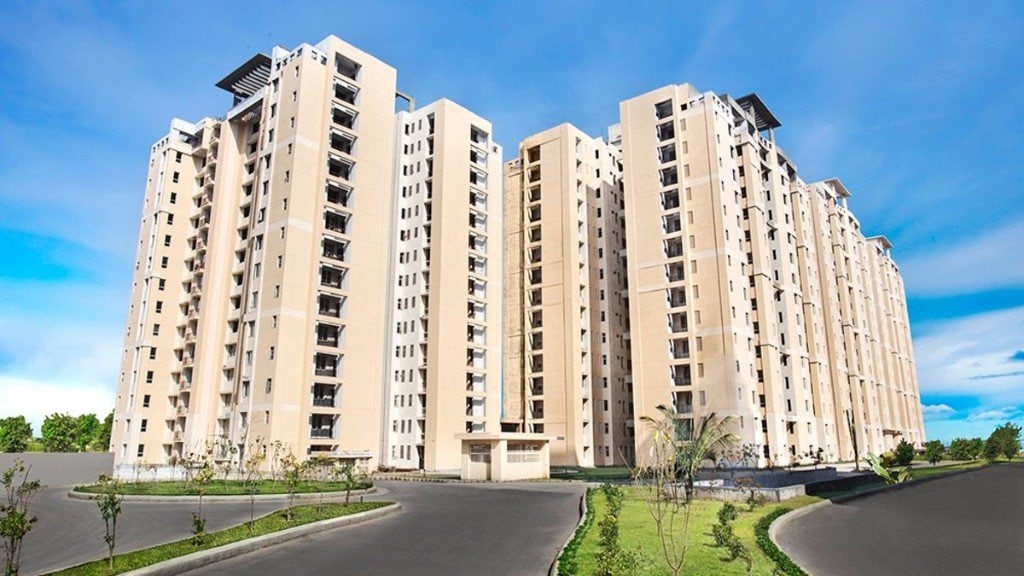
Finally, 20,000-odd homebuyers in Noida can heave a sigh of relief. Nearly six years since it was first admitted, the Jaypee Infratech Ltd. insolvency plan was approved by the National Company Law Tribunal on Tuesday.
At least some of the owners had initially signed on to buy an apartment in Jaypee's Noida-based Wish Town in 2009. Their wait has lasted at least 14 years.
While this would rightfully be a cause for celebration for homeowners, lenders and the winning bidder alike, things are rarely so simple.
The Jaypee Infratech insolvency has been a case where time has not been of the essence. It was one of the 12 large corporate accounts identified by the Reserve Bank of India to be referred to the insolvency court in June 2017. Multiple false starts, delayed tribunal hearings due to lack of staff, challenges by related parties and last-minute reversal of decisions kept the proceedings alive for the last six years.
This is now the second time that the NCLT has approved a successful resolution plan for Jaypee Infratech. In March 2020, the quasi-judiciary authority had approved a resolution plan by government-owned NBCC Ltd., which was then struck down by the Supreme Court in March 2021 for being non-compliant.
Financial creditors then approved the Suraksha Realty resolution plan in June 2021, following a hotly contested bidding process with NBCC. This new plan is now set to be implemented.
The quick implementation of the successful plan is still dependent on whether there is any material opposition by parties that have been against it for a while now. The primary objectors include ICICI Bank Ltd. and the Yamuna Expressway Industrial Development Authority. Manoj Gaur, the original promoter of Jaypee Infratech, had also opposed the resolution plan.
While ICICI Bank has a claim of Rs 304 crore against which it will receive land parcels worth Rs 218 crore in the plan, YEIDA has claims worth over Rs 6,000 crore against which it will receive just Rs 20 lakh. Both had opposed these allotments in the resolution plan, but the objections were rejected by the NCLT.
Like any other major insolvency case in this country, this one is likely to end up at the Supreme Court. That may prove to be another stumbling block since the apex court had previously rejected NBCC's plan which the creditors and the lower courts had considered appropriate.
If there is no major opposition to the plan from hereon, this is likely to happen next:
Within the next one week, Suraksha Realty and the resolution professional Anuj Jain will form a monitoring committee to oversee the implementation of the plan.
The committee will also include representatives of the homebuyers and other financial creditors.
The residential units will be completed over four years in a phased manner.
The committee will need to hire a new external agency for the actual construction work. Since the project was being managed by the resolution professional till now, Jaiprakash Associates Ltd. was doing that work.
Penalty payments to homebuyers and unwinding of land parcels given to financial creditors will take place over the next few years.
In a nut shell, the risk to the successful completion of the resolution plan will play out now.
To be sure, the resolution applicant has had success in other projects. According to details available on Suraksha Realty's website, the company has 12 residential housing projects to its name, of which seven have been completed. All of these projects are in Mumbai.

-
Why Swapping Your Old Gold Can Trigger A Rs 5 Lakh Tax Bill, And How You Can Avoid It Legally

Swapping old gold for new is taxed as a sale and a fresh purchase. Getting your own gold remade can cut most of that bill, though it has its own costs.
-
The AI Trade is Done. The Real Opportunity for Investors Starts in 2027 | Unhedged Position
As pureplay AI stocks plunge and circular, capex-led financing unwinds, 2027 is set to be a year of reckoning for AI companies. Yet the bust clears the way for a better opportunity for investors in 2027 -- shifting the spotlight from AI builders to the companies using AI.
-
Leadership As Mission: Why The Age Of AI Demands More Human Leadership
Debjani Ghosh examines how AI is changing leadership, arguing that its success must be measured by its impact on people and the accountability of those guiding its use.
-
We May Need Another Tukaram Mundhe To Fight Air Pollution | The Reason Why
Developers may install basic measures such as sprinklers and green nets, resume work, and continue violating rules when this equipment stops working.
-
Extracting Value From Battery Scrap Could Be Challenging For India | The Reason Why
A discarded lithium-ion battery still contains valuable materials such as lithium, nickel and cobalt. These can be recovered and reused. When such batteries are crushed and shredded, they produce a dark powder called black mass.
-
One El Nino, India Can Handle. Two Could Break The Granary
India's grain stocks can absorb one bad year, but a second El Nino could drain the buffer in two to three years, economists say.
-
India's Troika Of Good Luck | Joining The Dots
As Jensen Huang's exit drags Nvidia down, a cooling AI trade and resilient earnings have revived investor interest in India. A likely RBI rate hike looms.
-
Talking Points This Week: Leadership Shock At Nvidia, Earnings Strength, And The Fog Over Hormuz
The Anthropic IPO pricing and first trading day, Nvidia's upcoming earnings, and any fresh signals from Iran will set the tone for the following week.
-
Signature Play: The Classic Cocktail Is Dead. Or Is It?
Classic cocktails are disappearing from India's cocktail menus. But they're still being ordered, taught to bartenders and borrowed from. So, who's really having the last drink?
-
A New Samvat Wishlist: Inclusive Prosperity And Human Development
India has strengthened its economic foundations through infrastructure, digital access and enterprise. Its next growth chapter must deepen productivity, create better livelihoods and widen participation in prosperity.









