Net Zero Target: Break It Down To Doable Chunks, Doable Time Periods, Jamshyd Godrej Says
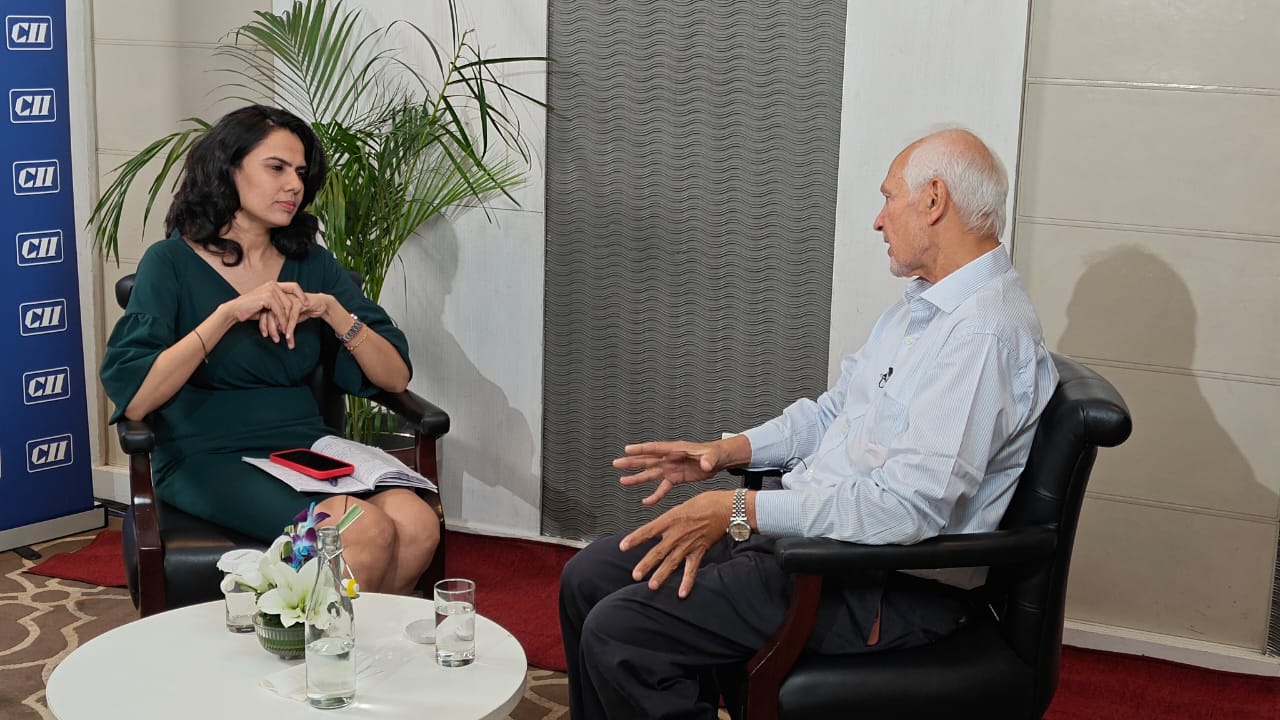
While India's commitment to achieving net-zero emissions by 2070 remains a long-term goal, there should be a focus on shorter targets, according to Jamshyd Godrej, chairman, CII- Sorabji Green Business Centre and chairman and managing director of Godrej & Boyce.
"As you know we have committed to 70 (2070). It is 50 years away. Do not think of it as 50 years away, think of it as target for next five years. Break it up into five year chunks and the government has already come with an idea that by 2030 let's do this...That's the way to look at net zero, there is no other way to do it...Break it down to doable chunks and doable time periods," he told NDTV Profit in an exclusive interview.
Despite India's push for renewable energy, the continued reliance on coal raises concerns. Growing demand for electricity necessitates coal as a backup, Godrej said acknowledging the paradox. "The fact is if we do not have coal fire power, we will have black outs and brown outs. With our economy growing the way it is growing—and it will grow faster—the demand for electricity is going to grow significantly...If renewable energy is not able to keep up with growth requirements, then what other choice do we have?...Look at states like Jharkhand. Their economy is dependent on coal."
However, he also emphasised on the need for significant investments in renewable energy to meet future energy demands.
COP29 And CBAM
With the upcoming COP29 meet, the focus should be on fostering cooperation among countries and government interactions. COP is a good time for better government-NGO cooperation, Godrej said. "It's essential to understand how governments can work together," he explained, highlighting the criticism from Indian industries regarding the European CBAM.
The EU Carbon Border Adjustment Mechanism is a tariff on carbon intensive goods that are imported to the European Union. The tax has been questioned on its fairness by several countries.
"India should also consider raising the bar for its own industries," Godrej said. He suggested a balanced approach to international standards.
To avoid the carbon border tax, firms must invest in reducing their carbon footprints. If cheaper imports do not meet these standards, it upsets the market, he pointed out.
Enhanced dialogue with other countries about shared sustainability goals is crucial for a cohesive approach.
Godrej acknowledged the government's initiative on carbon credits. "If companies take voluntary actions that benefit the environment, there should be a way to monetise those efforts," he said. This could incentivise businesses to engage actively in reducing emissions.
Looking ahead, Godrej sees immense potential in solar energy, particularly in states like Rajasthan. He advocated for better collaboration between states to create energy corridors that can effectively transport solar power to high-demand areas like Delhi. States should work together with ambitious programs to harness this energy, he said.
Watch The Conversation Here:

-
We May Need Another Tukaram Mundhe To Fight Air Pollution | The Reason Why

Developers may install basic measures such as sprinklers and green nets, resume work, and continue violating rules when this equipment stops working.
-
Extracting Value From Battery Scrap Could Be Challenging For India | The Reason Why
A discarded lithium-ion battery still contains valuable materials such as lithium, nickel and cobalt. These can be recovered and reused. When such batteries are crushed and shredded, they produce a dark powder called black mass.
-
One El Nino, India Can Handle. Two Could Break The Granary
India's grain stocks can absorb one bad year, but a second El Nino could drain the buffer in two to three years, economists say.
-
India's Troika Of Good Luck | Joining The Dots
As Jensen Huang's exit drags Nvidia down, a cooling AI trade and resilient earnings have revived investor interest in India. A likely RBI rate hike looms.
-
Talking Points This Week: Leadership Shock At Nvidia, Earnings Strength, And The Fog Over Hormuz
The Anthropic IPO pricing and first trading day, Nvidia's upcoming earnings, and any fresh signals from Iran will set the tone for the following week.
-
Signature Play: The Classic Cocktail Is Dead. Or Is It?
Classic cocktails are disappearing from India's cocktail menus. But they're still being ordered, taught to bartenders and borrowed from. So, who's really having the last drink?
-
A New Samvat Wishlist: Inclusive Prosperity And Human Development
India has strengthened its economic foundations through infrastructure, digital access and enterprise. Its next growth chapter must deepen productivity, create better livelihoods and widen participation in prosperity.
-
Love, Sex Aur Dhokha: The Audacious Plot To Spy On Jensen Huang
A Taipei dinner, a Singapore chip buyer and a suspected Chinese asset: inside the alleged spy operation that got close to NVIDIA's Jensen Huang.
-
Ten Things I Learnt This Samvat
Patience can be a trap. Cheap stocks can stay cheap. Leverage can wipe you out. What did Samvat 2082 teach us? Niraj Shah writes on 10 lessons from the year gone by.
-
Talking Points This Week: Tech Nerves, FII Buying, And A Faraway Banking Shock
The global markets are not shining this Diwali. The exception in the large markets is, India.









